
- 62% of U.S. counties lack a practicing urologist, creating vast care deserts. - Median age of practicing urologists is 54, with 33% aged 65+. - 37% of urologists now use AI routinely, with 38% adopting AI-powered scribes.
Experts warn of an impending urology workforce crisis driven by geographic disparities, an aging physician population, and the dual challenges of integrating AI while maintaining work-life balance, particularly for female urologists.
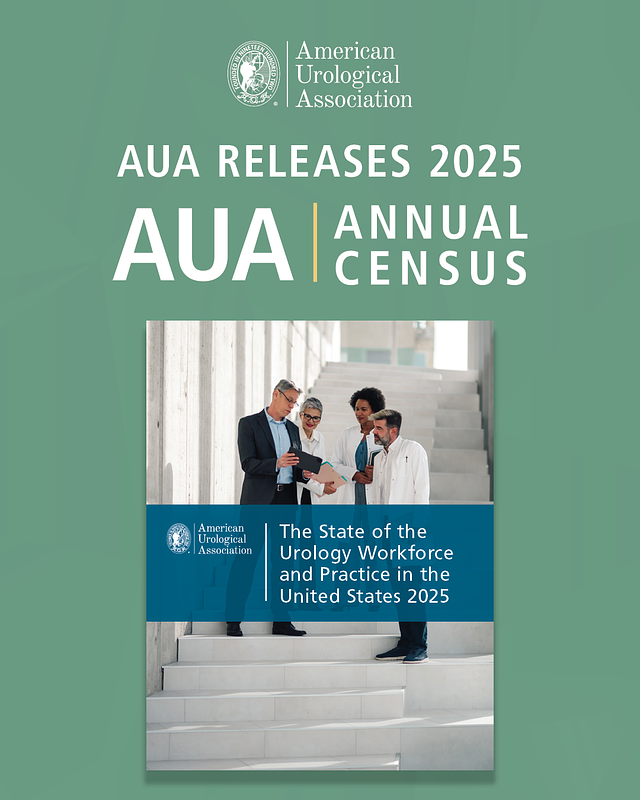
Urology at a Crossroads: Report Warns of Workforce Gaps and AI's Rise
BALTIMORE, MD – May 05, 2026 – The American healthcare landscape is facing a potential crisis in a critical specialty, as a new report from the American Urological Association (AUA) paints a stark picture of a profession at a pivotal crossroads. The 2025 Annual AUA Census, a comprehensive survey of the urology workforce, reveals a specialty strained by geographic disparities, a rapidly aging physician population, and the complex, dual-edged integration of artificial intelligence.
The findings underscore a brewing storm that threatens access to care for millions of Americans. With vast swaths of the country underserved, a demanding work culture taking a personal toll on physicians, and technology reshaping the very nature of practice, the census data serves as both a critical diagnostic tool and an urgent call to action for policymakers, healthcare systems, and the medical community itself.
The Looming Access Crisis
At the heart of the report's findings is a stark reality: for many Americans, access to a urologist is a geographic lottery. A staggering 62% of U.S. counties have no practicing urologist whatsoever, creating vast “deserts” of specialty care. This problem is particularly acute in rural America, as the data shows only 10% of urologists maintain their primary practice outside of metropolitan areas. Patients in these communities facing conditions like prostate cancer, kidney stones, or bladder issues are often forced to travel long distances, delay care, or go without specialized treatment entirely.
This access crisis is set to intensify due to a demographic cliff. The median age of a practicing urologist is now 54, and a full one-third of the workforce is 65 or older, approaching retirement. This graying of the specialty raises significant concerns about future workforce capacity. As a large and experienced cohort of physicians prepares to hang up their scrubs, it is unclear if the pipeline of new urologists is sufficient to meet the needs of a growing and aging U.S. population, let alone fill the gaps in already underserved regions.
The demanding nature of the profession further complicates workforce planning. The census found that urologists work a median of 55 hours per week, with a third clocking more than 60 hours. This intense workload contributes to burnout and may deter younger physicians from entering or remaining in the specialty, exacerbating the looming shortage.
Technology's Toll and Triumph
In the face of these mounting pressures, urology is turning to technology for solutions, with artificial intelligence leading the charge. The AUA census highlights a rapid acceleration in AI adoption, with 37% of urologists now routinely incorporating it into their practice. The most common applications are aimed at easing the administrative burden that contributes to long hours and burnout. AI is being used for clinical documentation, generating chart summaries, and providing translation services, tasks that have historically consumed a significant portion of a physician's day.
This technological shift is most evident in the realm of medical scribing. AI-powered scribes now have the highest access rate among documentation support tools at 38%, and their user satisfaction levels are reportedly approaching those of traditional in-person human scribes. For many overworked physicians, these tools represent a potential lifeline, promising to automate tedious tasks and free up more time for direct patient care and clinical decision-making.
However, the rise of AI is not without its complexities. While it offers efficiency, it also introduces a new layer of technology that physicians must learn, manage, and trust. The push for technological solutions can sometimes lead to “digital burnout,” where the constant interaction with new systems and software adds a different kind of stress. The challenge for the specialty will be to harness the power of AI to genuinely reduce workloads and improve care without simply replacing one form of professional strain with another.
A Profession's Personal Cost and Evolving Face
Beyond the statistics on work hours and technology, the census provides a poignant look at the personal sacrifices required by a career in urology—and the disproportionate impact on female physicians. A striking 42% of all urologists reported delaying having or attempting to have children due to the rigorous demands of their training and career. For female urologists, this figure skyrockets to over 70%, revealing a profound conflict between professional ambition and personal life planning.
This disparity extends throughout their careers. While 61% of male urologists report planning to retire after the age of 65, only 20% of their female counterparts say the same. This significant gap suggests that female physicians may experience the pressures of the profession differently, potentially leading to earlier burnout or a re-evaluation of career longevity in pursuit of better work-life integration.
Despite these challenges, the face of urology is changing. The specialty is slowly but surely becoming more diverse. The percentage of female urologists has grown from just 7.7% in 2014 to nearly 13% in 2025. This trend is even more pronounced among the younger generation: almost 27% of urologists under the age of 45 are women, compared to just 2% of those aged 65 and older. This influx of female talent makes addressing the systemic issues of work-life balance and career longevity more critical than ever to ensure the specialty can attract and, more importantly, retain its entire workforce.
“The AUA Annual Census remains a cornerstone for understanding the urology workforce and how our specialty continues to evolve,” noted Dr. Ray Tan, chair of the AUA Data Committee, in the official release. “Each year, the Census provides critical insights into practice patterns, emerging challenges, and opportunities that help inform education, advocacy, and policy.”
As the findings of the 2025 census reverberate through the healthcare community, they serve as a comprehensive map of the challenges ahead. The data points to a specialty at a critical juncture, tasked with solving a rural access crisis, managing an aging workforce, integrating new technologies responsibly, and building a more sustainable and equitable professional culture. How the field of urology responds will determine the quality and availability of care for generations to come.
Topics & Related
Diagnostics
AI & Machine Learning
Artificial Intelligence
Generative AI
Revenue
Related Company Pulse