
- 1-Year Price Lock Guarantee: U-Haul promises no rate increases for at least one year on new unit rentals.
- 2,100+ Facilities: The policy applies to over 2,100 U-Haul-owned facilities in the U.S. and Canada.
- $5M Penalty Sought: NYC lawsuit against Extra Space Storage seeks over $5M in penalties for alleged bait-and-switch tactics.
Experts likely conclude that U-Haul's 1-Year Price Lock Guarantee is a strategic move to capitalize on consumer frustration with industry-wide deceptive pricing, potentially forcing competitors to adopt more transparent practices.
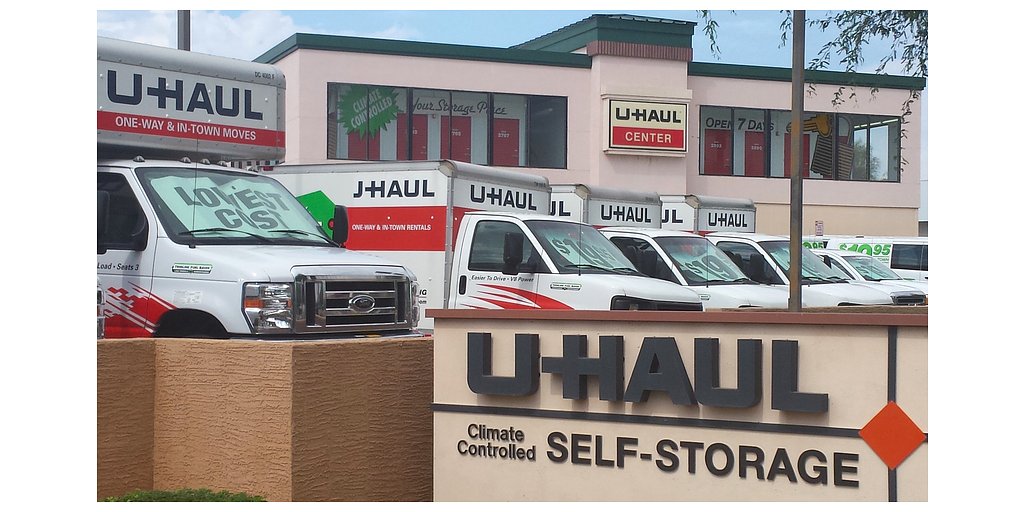
U-Haul Challenges Rivals With 1-Year Price Lock Guarantee
PHOENIX, AZ – March 02, 2026 – In a direct challenge to the self-storage industry's prevailing pricing models, U-Haul has announced a 1-Year Price Lock Guarantee, promising customers at least one full year without rate increases on new unit rentals. The move positions the 80-year-old company against major competitors like Public Storage, Extra Space Storage, and CubeSmart, which have faced growing criticism for deceptive introductory rates and frequent, unexpected price hikes.
The new policy automatically locks in a customer's monthly rate and is coupled with the company's long-standing practice of not charging administrative fees or deposits. U-Haul CEO Joe Shoen issued a sharp critique of his competitors' strategies, which often lure customers with low initial offers only to raise prices significantly shortly after move-in.
“I’m fed up with the major players in our industry thinking the profitable strategy is to offer low, misleading introductory rates and then jack up the prices on their storage unit multiple times a year — sometimes before customers move in,” Shoen stated in the announcement. “Other industry giants are using these bait-and-switch tactics while people are already dealing with high inflation. It angers customers and dissolves trust in the entire industry.”
An Industry Under Scrutiny
U-Haul's announcement lands amidst a climate of heightened consumer frustration and regulatory action targeting the self-storage sector. Shoen's criticism of "bait-and-switch" tactics is not unfounded; it echoes thousands of consumer complaints and recent legal challenges.
Most notably, the New York City Department of Consumer and Worker Protection (DCWP) recently filed a landmark lawsuit against Extra Space Storage, one of the largest operators in the country. The suit alleges a "classic bait-and-switch scheme," accusing the company of using low advertised rates to attract customers before imposing "dramatic" and often unannounced price increases. According to the DCWP complaint, some customers saw their monthly rent more than double in a short period. The lawsuit, which seeks over $5 million in penalties and full restitution for consumers, also cites allegations of undisclosed late fees and failure to maintain facilities, leading to property damage from vermin and water intrusion.
While Extra Space stated it complies with applicable laws and disputes the city's claims, the issue appears to be industry-wide. Consumer review platforms are filled with similar stories from customers of other major storage providers, including CubeSmart, detailing substantial and rapid rent hikes that far exceed initial promotional rates. This practice has become so common that the 2025 Self-Storage Almanac noted that "the strategy of low move-in street rates with aggressive in-place rent increases" was a contributing factor to national competitors seeing "drops in occupancy after long-term tenants moved out due to increased rent."
The Economics of Storage Pricing
The root of consumer frustration lies in the sophisticated pricing models that have become standard among large self-storage operators, particularly publicly traded Real Estate Investment Trusts (REITs). Many employ dynamic pricing, using automated revenue management systems to adjust rates in real-time based on local demand, occupancy levels, and competitor pricing.
This model is enabled by the industry's standard month-to-month lease structure. Unlike residential or commercial real estate with long-term leases, storage operators can adjust rents for existing tenants with relatively short notice. This flexibility has made the sector highly attractive to investors and famously "recession-resistant," as it allows companies to pass on rising operational costs and capitalize on inflationary pressures quickly.
However, what is a boon for investors has become a significant pain point for consumers. The lack of long-term price certainty creates budget instability for families and small businesses who rely on storage during life transitions, moves, or periods of downsizing. Compounding the issue are additional charges that can obscure the true cost of a unit. Many competitors charge administrative fees, typically ranging from $15 to $30, to cover paperwork and setup. Mandatory insurance policies, often sold at a premium, can also add a significant, non-negotiable cost to the monthly bill, creating the "hidden fees" U-Haul is now publicly campaigning against.
U-Haul's Strategic Gambit
With its 1-Year Price Lock Guarantee, U-Haul is making a calculated bet on transparency as a competitive advantage. The policy is being rolled out across more than 2,100 company-owned and -operated facilities in the U.S. and Canada. It applies to new customers as well as existing customers who rent an additional unit.
The company is sweetening the deal with several other customer-centric benefits. Insurance remains optional, not mandatory, and customers who rent online or through the U-Haul app receive a free discus lock. Furthermore, customers who rent a one-way truck or trailer can qualify for their first month of storage for free, with the price lock then applying to the subsequent 11 months. By eliminating admin fees, deposits, and mandatory insurance, U-Haul is directly addressing the primary sources of unexpected costs that plague the industry.
This move appears to be a formalization and expansion of the company's long-held market position. While historically known for competitive pricing and a lack of upfront fees, the introduction of a formal, one-year rate guarantee is a significant new commitment. It leverages consumer psychology by providing certainty and building trust, directly countering the anxiety and resentment bred by unpredictable rent hikes. In a market where price is a primary decision-making factor, this guarantee could prove to be a powerful differentiator.
A Potential Market Shift?
U-Haul's initiative is more than just a new promotion; it's a strategic maneuver that could trigger a broader shift in the competitive landscape. Industry analysts suggest that by weaponizing transparency, U-Haul is putting immense pressure on its rivals. Competitors who rely heavily on dynamic pricing and in-place rent increases for revenue growth may be forced to re-evaluate their strategies or risk losing customers who are increasingly price-sensitive and weary of deceptive practices.
The timing is critical. With inflation impacting household budgets and regulatory bodies like the DCWP taking a more aggressive stance on consumer protection, a clear, fixed-price offer is highly appealing. U-Haul's proactive stance may also shield it from the kind of legal and reputational damage currently affecting Extra Space Storage.
The final question is whether the rest of the industry will heed the call. In his statement, Shoen threw down the gauntlet, encouraging other providers to adopt similar policies. “I encourage storage providers to follow our lead and offer a monthly price lock for a full year,” he urged. “It will protect consumers and make our industry better.” Whether competitors will sacrifice the revenue flexibility of their current models for the potential long-term gain of consumer trust remains to be seen, but U-Haul has now clearly defined the battle lines in the fight for the modern storage customer.
Topics & Related
REITs
Geopolitics & Trade
Antitrust
Inflation
Related Company Pulse