
- $1.71 billion: US aluminum foil imports in 2024
- 360,000 tons: Assan Alüminyum's annual aluminum production capacity
- 45%: Increase in recycled raw materials used by Assan Alüminyum over the last seven years
Experts view this acquisition as a strategic response to global trade shifts, emphasizing the importance of localized production and sustainable manufacturing practices in the aluminum industry.
Turkish Aluminum Giant Revives WV Plant in Major US Expansion
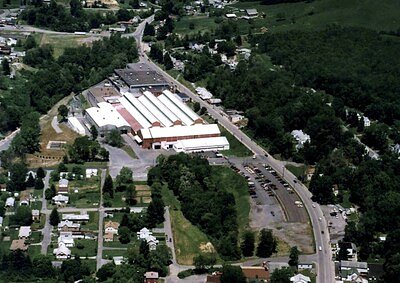
FAIRMONT, WV – April 01, 2026 – In a significant move signaling a strategic shift in global manufacturing, Turkish industrial powerhouse Assan Alüminyum has acquired a production facility in Fairmont, West Virginia, marking its first manufacturing footprint in North America. The acquisition, made through its US subsidiary Kibar Americas, breathes new life into a plant formerly operated by Novelis that ceased operations in March 2025, a closure that resulted in the loss of approximately 200 local jobs.
This investment positions Assan Alüminyum, one of Europe's largest aluminum foil producers, as a domestic manufacturer in the United States. The move is a direct response to evolving global trade dynamics and a growing corporate emphasis on localized supply chains to better serve regional markets. For the community of Fairmont, it represents a new chapter of industrial opportunity and economic revitalization.
A Strategic Move in Shifting Global Tides
The acquisition is more than just a real estate transaction; it represents a calculated maneuver in the complex chessboard of international trade. As global supply chains continue to face disruptions and geopolitical pressures, major manufacturers are increasingly looking to de-risk their operations by producing goods closer to their end customers. The United States, a net importer of aluminum foil with imports totaling $1.71 billion in 2024, presents a substantial market for a new domestic producer.
Assan Alüminyum's leadership views this expansion as a foundational step in its long-term vision. Göksal Güngör, the company's General Manager and a Director at Kibar Americas, highlighted the timeliness of the investment. "At a time when global trade dynamics are shifting and localized production is gaining importance, this investment reflects our commitment to the North America region and represents a major step forward in our long-term vision," Güngör stated. "We are extending our growth model—built on reliability, flexibility, innovation, and sustainability—into the Americas."
By establishing a local production base, the company aims to enhance its agility and responsiveness to the needs of North American customers, reducing reliance on trans-Atlantic logistics and navigating potential trade barriers more effectively. This onshoring effort aligns with a broader trend of industrial reshoring aimed at strengthening domestic manufacturing capabilities for critical materials.
Revitalizing an Appalachian Industrial Hub
For the city of Fairmont, the news of the plant's revival is a welcome economic development. The facility, with an operational history spanning over a century, was a key local employer before its closure. The acquisition by Kibar Americas has been met with enthusiasm by local officials, who worked to keep the site viable for a future investor.
Fairmont City Manager Travis L. Blosser and Mayor Anne E. Bolyard praised the investment, noting that the region's skilled workforce and robust infrastructure were key attractions. They described the acquisition as a "new chapter of investment and opportunity" for the community and the state. This development is seen not just as a replacement of lost jobs but as an opportunity to integrate a modern, globally competitive manufacturer into the local economy.
Kibar Americas has announced it will begin a comprehensive evaluation of the site to determine its optimal future use and redevelopment plans. The stated goal is to produce high-quality aluminum foil for a range of demanding sectors, which is expected to create new employment opportunities and stimulate growth in the local supply chain.
Inside Assan Alüminyum's American Play
Assan Alüminyum, a subsidiary of the diversified Turkish conglomerate Kibar Holding, is a formidable player in the global metals industry. With an annual production capacity of up to 360,000 tons of flat-rolled aluminum, the company already exports to over 70 countries. This move into the US transforms it from a foreign supplier into a domestic competitor against established players like Novelis, Amcor, and Reynolds Consumer Products.
Haluk Kayabaşı, CEO of Kibar Holding, emphasized that the investment is a cornerstone of the group's global ambitions. "The acquisition of this U.S. facility marks a strategically significant step in enhancing our global competitiveness," said Kayabaşı. He noted that the group's growth is guided by principles of sustainable production and digitalization.
The West Virginia plant is slated to become a key production hub for high-value products. Atilla Cetinel, COO of Kibar Americas, detailed the intended output: "The West Virginia plant will produce high-quality aluminum foil for applications including automotive fin stock, HVAC fin stock, food-grade foil containers, and industrial foil." This product mix targets several growing sectors within the U.S. economy, including the automotive industry's transition to electric vehicles, where aluminum is a critical material for battery components and thermal management systems. The move perfectly aligns with the company's vision of being a "local producer and global player," allowing it to penetrate key end-use markets directly.
A Commitment to Sustainable Manufacturing
Beyond its strategic and economic implications, the acquisition brings a company with a proven commitment to environmental, social, and governance (ESG) principles to the heart of Appalachia. Assan Alüminyum and Kibar Holding have built their corporate identity around sustainability, a factor they intend to make a centerpiece of the new U.S. operation.
The company's existing facilities in Turkey are certified by the Aluminium Stewardship Initiative (ASI), a global standard for responsible aluminum production. It also operates its own renewable energy power plants, generating enough clean energy to offset the entire electrical consumption of its production facilities. Furthermore, the company has earned high marks from the Carbon Disclosure Project (CDP) for its transparency on climate change and water security, consistently outperforming global and sector averages.
This focus on sustainability extends to a robust recycling program, with an integrated recycling facility that has helped increase the use of recycled raw materials by 45% over the last seven years. By bringing this ethos to West Virginia, Assan Alüminyum aims to demonstrate that heavy industry can coexist with environmental responsibility. The plan to modernize the Fairmont facility offers a unique opportunity to embed advanced, energy-efficient technologies and sustainable practices from the ground up, setting a new standard for industrial manufacturing in the region.