
- $10M in seed funding raised by Tribal to bridge enterprise AI's production gap
- 43% of major AI initiatives projected to fail due to deployment challenges (HCLTech report)
- 10x faster development and 80% reduction in maintenance costs reported by early adopters
Experts agree that Tribal's metadata-native approach addresses critical gaps in enterprise AI deployment, offering a promising solution for safe, scalable AI integration within complex systems.
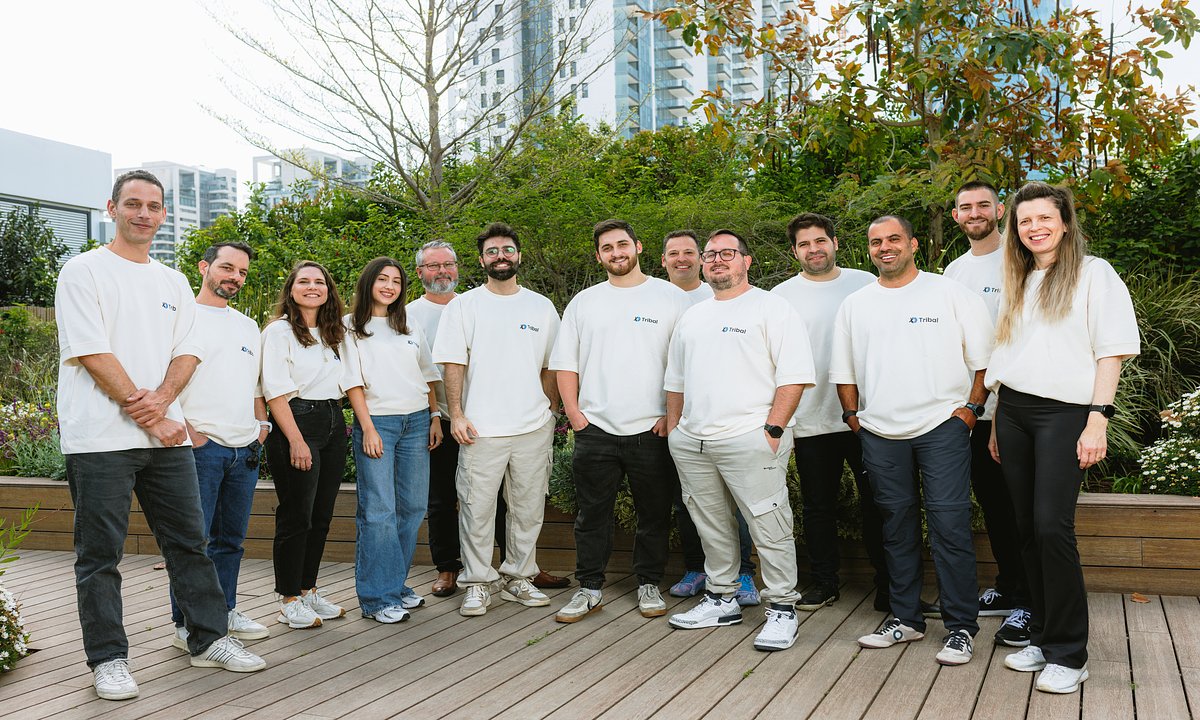
Tribal Raises $10M to Bridge Enterprise AI's Production Gap
NEW YORK, NY – May 20, 2026 – Tribal, a startup founded by enterprise software veterans, today announced it has secured $10 million in seed funding to tackle one of the most persistent challenges in corporate technology: making artificial intelligence work safely and effectively within complex, legacy enterprise systems. The round was led by venture group Team8, with participation from DYDX Capital and a cohort of angel investors, including prominent founders from the Salesforce ecosystem.
The company aims to move beyond the superficial AI "demos" and "vibe-coding" tools that have frustrated corporate IT departments. Instead, Tribal is building context-aware AI agents that understand the intricate web of rules, permissions, and dependencies that form the digital backbone of a large organization. The new capital will fuel the platform's expansion across major enterprise ecosystems, including Salesforce, ServiceNow, SAP, NetSuite, and Workday, and support hiring in the US.
The Production Gap in Enterprise AI
While AI has dominated headlines, its transition from experimental labs to the core of business operations has been fraught with difficulty. A recent HCLTech report indicates that nearly 43% of major AI initiatives are projected to fail, not from a lack of ambition, but from the immense difficulty of deploying them safely and reliably at scale. Enterprises grapple with fragmented data, rigid governance protocols, and the constant risk that a single change could trigger a cascade of unforeseen failures.
Tribal’s founders—CEO Yoav Kolodner (formerly VP of Engineering at Salesforce), COO Yakir Daniel (founder of Spot.io), and CTO Lior Sidi (former AI lead at Wix)—witnessed this "production gap" firsthand. "Building AI prototypes is easy," the team observed. "Shipping trusted, governed change inside a live enterprise system is brutally hard."
The company's solution is a platform built around a "Metadata Fabric." This technology ingests and maps an enterprise's entire metadata layer—including custom objects, complex automations, user permissions, business rules, and system dependencies—in minutes. This creates a comprehensive, living blueprint of the organization's operational logic. AI agents built on this foundation are "metadata-native," meaning they operate with full organizational context from day one, rather than being a fragile layer of code bolted onto the existing structure. This approach is designed to eliminate the risks associated with AI agents that lack a deep understanding of the system they are intended to improve.
A Strategic Bet on Context-Aware Agents
The $10 million investment represents a significant bet on the future of enterprise software, which industry analysts see shifting toward "agentic AI." This new paradigm envisions AI not just as a tool for developers, but as an autonomous workforce of intelligent agents that can understand context, follow policies, and execute complex tasks within established operational guardrails. Tribal's platform is positioned to become a foundational layer for this shift.
Ori Barzilay, Partner at lead investor Team8, highlighted the market pressure driving this need. “Enterprises are under growing pressure to turn AI from experiments into real, repeatable impact inside their business applications and workflows,” said Barzilay. “The Tribal team brings deep and rare experience building on the trusted platforms of global enterprises and is uniquely positioned to help organizations bring AI safely to fulfill core business needs.”
The investment consortium, which includes data-focused DYDX Capital and Salesforce ecosystem veteran Efi Cohen, underscores confidence in Tribal's technical approach. The company's strategy aligns with major platform movements, such as Salesforce's own push toward a headless, agent-first architecture with Headless 360. Tribal aims to ensure that these next-generation agents can operate safely in highly customized environments.
"The shift to headless enterprise infrastructure is real and accelerating. But infrastructure without organizational context is just plumbing," said Yoav Kolodner, CEO of Tribal. "This $10M lets us go deeper on the product and build the intelligence that will make Enterprise AI tick."
From Backlog to Bottom Line: Real-World Impact
While the technology is sophisticated, its promised benefits are practical: clearing development backlogs, reducing maintenance costs, and empowering business teams to innovate with confidence. Early adopters have reported significant gains in speed and reliability.
Nir Rehav, CIO of global agricultural sciences company ADAMA, attested to the platform's impact on a multinational scale. "With Tribal, we move significantly faster—iterating quickly and deploying to production with confidence," Rehav stated. "We're now able to serve users in 19 countries better while streamlining how they work with data across both new and existing markets."
For other companies, the platform has been a powerful tool for managing years of accumulated technical debt. David Kestenberg, Director of IT at Pro-Driven Brand, described how the system helped untangle a complex IT environment. "Tribal gave us a self-serve platform to standardize how we evaluate and manage growth, so teams can move faster with a shared, trusted view of what matters," Kestenberg said. "It helped us remove tech debt by replacing brittle workarounds with a clean, maintainable setup, and it gave our team a real speed boost — about a 10x faster."
These testimonials, along with a growing customer list that includes names like WalkMe and Dot Compliance, suggest that the company's claims of clearing backlogs 10 times faster and reducing maintenance costs by up to 80% are resonating in the market.
Navigating a Crowded and Competitive Field
Tribal enters a bustling enterprise AI market populated by giants like Microsoft and Google, as well as established automation players such as UiPath and Automation Anywhere. As it expands into ecosystems like ServiceNow and SAP, it will face a host of platform-specific competitors all vying to integrate AI into business processes.
However, the company is betting that its deep, "metadata-native" integration will be a key differentiator. While many solutions focus on orchestrating workflows or providing surface-level assistance, Tribal's core value proposition is its ability to understand the why behind an enterprise's operations. By starting with a complete map of the system's DNA, its agents are designed to avoid the critical errors that can occur when AI operates without full context.
This focus on governance and production readiness directly addresses the anxieties of CIOs and compliance officers, who are often the biggest hurdles to rapid AI adoption. By building trust and safety into the foundation of its platform, Tribal is not just selling a productivity tool; it is offering a pathway for large organizations to embrace the agentic AI revolution without compromising the stability and security of their core systems. The company's vision is clear: enterprise-native AI is not a single-platform story, but an enterprise-wide shift, and it is building the foundational infrastructure to prove it.