
- 200 years of history: Mount Pleasant Group of Cemeteries (MPG) marks its bicentennial anniversary in 2026.
- 700,000+ individuals: MPG provides perpetual care for over 700,000 individuals across the Greater Toronto Area.
- 1,200+ acres: MPG manages over 1,200 acres of urban forest and parkland, serving as vital public green spaces.
Experts recognize MPG as a unique historical institution that has evolved from a radical act of inclusion into a vital cultural and ecological asset for Toronto, though its governance and public trust status remain subjects of ongoing debate.
Toronto's Silent Storytellers: MPG Marks 200 Years of History
TORONTO, ON – January 30, 2026 – An institution older than Canada itself is marking a historic milestone today. The Mount Pleasant Group of Cemeteries (MPG) officially commemorates its 200th anniversary, launching a year-long program that explores not just the history of death care in Toronto, but the very story of the city and the nation.
Anchored by the theme "Yesterday. Today. Forever.," the bicentennial celebration invites the public to re-examine the role of its 10 cemeteries, reframing them from solemn grounds of remembrance into vibrant archives of history, public green space, and canvases for art.
A Radical Act of Inclusion
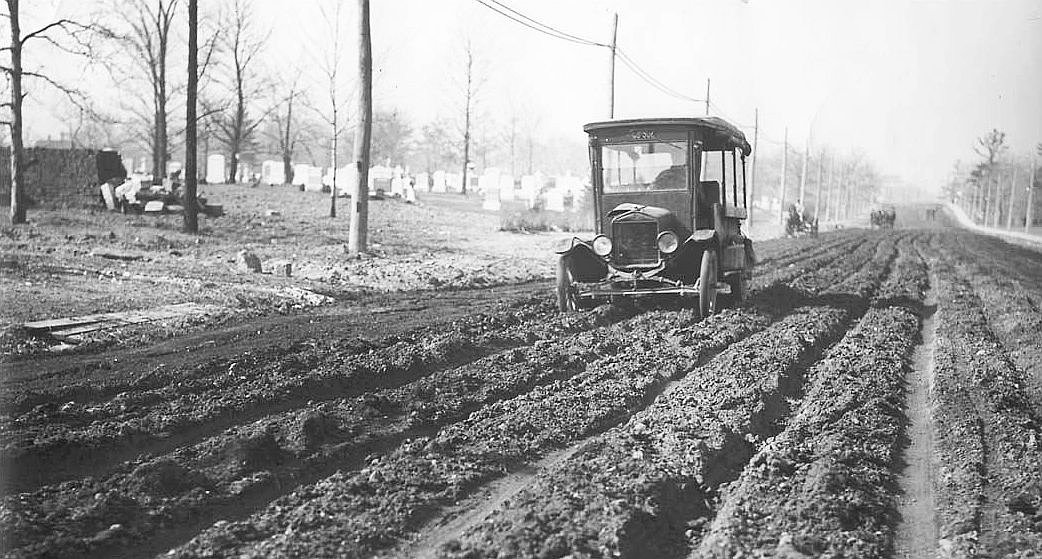
Mount Pleasant Group’s story begins in 1825, in the muddy, burgeoning Town of York. At the time, burial options were starkly limited, largely restricted to grounds controlled by the Anglican or Roman Catholic churches. For a growing, diverse population, this presented a significant barrier to dignified final arrangements. In a move that was revolutionary for its era, a group of citizens petitioned the Province of Upper Canada for permission to establish a "general burying ground" open to all, regardless of faith or background.
This petition resulted in legislation receiving Royal Assent on January 30, 1826, formally creating the statutory trust that would evolve into MPG. This foundational act of inclusion established a principle that has guided the organization for two centuries. The first cemetery, known as Potter's Field, was located at what is now the bustling intersection of Yonge and Bloor Streets. As Toronto expanded, those grounds were closed, with many remains being re-interred at the Toronto Necropolis and the iconic Mount Pleasant Cemetery, ensuring the promise of perpetual care was kept. Today, the non-profit organization provides that care for more than 700,000 individuals across the Greater Toronto Area.
Unearthing Toronto's Hidden Histories
At the heart of the bicentennial is the "200 Stories Project," a major digital initiative aimed at bringing the legacies of those resting within MPG’s grounds to a new generation. The project, accessible at mpg200.ca, is a sprawling narrative tapestry weaving together the lives of cultural icons, political titans, unheralded activists, and everyday heroes who collectively shaped the region.
The stories reveal the incredible diversity of Canada's past. Visitors to the site can learn about William Lyon Mackenzie, Toronto’s fiery first mayor and leader of the 1837 Rebellion, who rests at the Toronto Necropolis. At the same cemetery lies Henry “Box” Brown, an abolitionist whose harrowing escape from slavery in a wooden crate became a powerful symbol of the fight for freedom. York Cemetery is the final resting place for both Tim Horton, the legendary Maple Leafs player turned coffee magnate, and Grand Duchess Olga Alexandrovna, the last Grand Duchess of Imperial Russia who lived out her final years in Toronto. The project also highlights figures like Oliver Milton Martin, the first Indigenous provincial magistrate in Ontario, and Lois Lilienstein of the beloved children's trio Sharon, Lois & Bram.
"For two centuries, Mount Pleasant Group has been woven into the lives of the communities we serve," said John Monahan, President and CEO, in a statement. "Our 200th anniversary program is not only about honouring the people and stories that built this city and this country... We invite everyone across the GTA to join us in reflecting on, exploring, and sharing in this historic milestone."
Reimagining Remembrance as Public Space
Beyond chronicling the past, MPG’s anniversary program is actively reshaping the future of its grounds. The organization is collaborating with local artists on a series of immersive art and educational installations set to roll out across select locations in the coming months. These projects aim to transform the cemeteries into dynamic cultural landscapes, challenging traditional perceptions of these spaces as being solely for grief and mourning.
The initiative positions MPG’s 1,200-plus acres of urban forest and parkland as vital public assets for quiet reflection, artistic engagement, and connection with nature. By inviting the public to experience art and history in these unique settings, the organization is encouraging a new relationship with its properties. This modern approach aligns with a growing movement to recognize historic cemeteries not just as burial grounds, but as irreplaceable green spaces, arboretums, and outdoor museums that contribute to the city's ecological and cultural health. The public is encouraged to visit throughout the year, with a reminder to respect the primary function of these sites as places where families come to remember and honour their loved ones.
A Legacy of Trust and Scrutiny
Operating as a non-profit corporation, MPG reinvests all its revenues back into the maintenance and perpetual care of its properties, which includes a Care and Maintenance Fund reported to be over $700 million. This model has allowed for innovations like the recent introduction of biodegradable funeral products and the development of modern, environmentally advanced facilities.
However, the organization's unique history as a statutory public trust has also been a source of significant public debate and legal scrutiny. For years, community groups, most notably the "Friends of Toronto Public Cemeteries," have challenged MPG's governance, arguing that it operates more like a private corporation than the public trust it was created to be. This tension culminated in a lengthy legal battle over accountability and transparency.
A 2018 court ruling affirmed that the original 1826 public trust still existed, but a subsequent 2020 Court of Appeal decision overturned parts of that ruling, concluding that MPG was not a charitable trust in the manner argued by the advocacy group and did not need to elect its leadership through a public vote of all Toronto householders. The appeal court did, however, reject MPG's own assertions that it had become a simple "private commercial cemetery," acknowledging its unique legislative origins. This complex legal history underscores the ongoing discussion about the stewardship of this massive, historically significant public asset. As it celebrates its past, the organization continues to navigate its complex identity, balancing its non-profit commercial operations with a foundational public mandate that is unlike any other in the country. The bicentennial, therefore, serves not only as a celebration of history but also as a moment of reflection on its enduring and evolving responsibility to the communities it has served for two hundred years.