
- 1946: Year the Kataoka Byobu Shop was founded, making it a cultural institution in Tokyo.
- 60-minute: Duration of the guided walking tour through Mukojima's historic sites.
- Small-group: Focused approach to sustainable cultural tourism, countering overtourism.
Experts would likely conclude that this initiative successfully bridges cultural preservation with modern tourism, offering an authentic and sustainable model for engaging with Japan's artistic heritage.
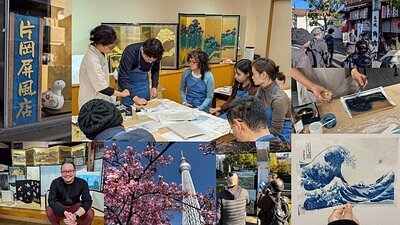
Tokyo's Edo Soul: A New Tour Revives Hokusai's Art in Mukojima
TOKYO, JAPAN – February 06, 2026 – As Japan's tourism industry grapples with the dual challenges of record visitor numbers and the preservation of cultural authenticity, a new initiative in Tokyo is offering a compelling solution. Launched today in the city's historic Mukojima district, the "Ukiyo-e Guided Walking Tour + Woodblock Printing Experience and Artisan Studio Shopping" program invites travelers to step off the beaten path and into a living canvas of Edo-period artistry.
This immersive experience is designed to connect visitors directly with the world of ukiyo-e—the iconic "pictures of the floating world"—by combining a guided walk through inspirational landscapes, a hands-on workshop to recreate a masterpiece, and intimate access to a traditional artisan studio. In doing so, it taps into a growing global demand for meaningful travel while creating a sustainable economic lifeline for the keepers of Japan's traditional crafts.
Beyond the Tourist Trail
While thousands of daily visitors flock to the nearby landmarks of Asakusa's Senso-ji Temple and the towering Tokyo Skytree, the Mukojima district on the eastern bank of the Sumida River offers a quieter, more profound journey. This neighborhood, which flourished as a town of artisans during the Edo period (1603-1868), has retained its unique character. Unlike heavily commercialized tourist zones, its backstreets are still home to small, independent workshops and family-run stores producing everything from decorative fittings to traditional paper.
This program leverages Mukojima's identity as a "living hub of traditional craftsmanship." It presents a model that counters the effects of overtourism by guiding small groups into a less-congested area, enriching the local community rather than overwhelming it. For travelers weary of crowded attractions and seeking genuine engagement, Mukojima provides a rare opportunity to interact directly with craftspeople, see their tools, and understand their techniques in an environment where tradition is not just displayed, but actively practiced.
Walking in the Footsteps of Masters
The experience begins with a 60-minute guided walking tour that bridges past and present. Starting near Tokyo Skytree Station, participants are led through a series of scenic and culturally significant sites that were frequent subjects for ukiyo-e artists like the legendary Katsushika Hokusai. The route traces the former Hikifune Canal, crosses through the modern Tokyo Mizumachi commercial complex, and meanders through Sumida Park along the river embankment.
A visit to Ushijima Shrine, a tranquil Shinto sanctuary with centuries of history, provides a direct link to the spiritual and cultural landscape that shaped these artists. The guide highlights how the views of the Sumida River and the surrounding scenery, once captured in woodblock prints, have evolved yet remain recognizable. This curated walk allows participants to see the city through an artist's eyes, understanding the fusion of enduring natural beauty with the ever-changing urban environment.
The Great Wave in Your Hands
Following the walk, participants transition from observers to creators. The tour culminates in a hands-on traditional woodblock printing workshop where they get to produce their own version of one of the most famous artworks in history: Hokusai's "The Great Wave off Kanagawa."
This part of the experience directly engages with the legacy of Japonisme, the 19th-century European craze for Japanese art that Hokusai's work helped ignite. Guided by skilled instructors, guests learn the intricate process of ukiyo-e printing. They can choose between a traditional three-color or a more complex six-color method, learning how to apply pigments to carved woodblocks and press them onto textured washi paper. The tactile process of layering colors to build the iconic image offers a deep appreciation for the skill and precision required of Edo-period masters.
The finished print is more than just a souvenir; it is a personal, tangible connection to a rich artistic heritage. Participants take home their own "Great Wave," a physical memory of their journey into Japanese culture. Afterward, they can browse the adjoining studio shop, which offers handcrafted prints, washi paper products, and other artisanal goods, completing a seamless "Create, Learn, and Take Home" experience.
A Lifeline for Living Heritage
The program's main venue is as significant as the activities it hosts. The Kataoka Byobu Shop, founded in 1946, is a cultural institution in its own right and is recognized as the only specialty folding screen (byōbu) store remaining in Tokyo. Here, visitors are not just in a workshop but in a bastion of cultural preservation. The shop manages the entire production process, from building the wooden lattice frames to mounting the final artwork, using rare techniques passed down through generations.
This initiative was born from a need to address the pressing challenges facing traditional artisans: a shrinking domestic market, an aging workforce, and limited income opportunities. By linking their craft directly to the high-demand tourism sector, the program provides a vital new revenue stream. It allows artisans like the third-generation owner of Kataoka Byobu, Koto Kataoka, to continue their work while adapting to a modern audience. Inside the Kataoka Byobu Gallery, visitors can view everything from magnificent gold-leaf screens to contemporary artistic collaborations, witnessing firsthand how a centuries-old craft continues to evolve.
By focusing on small-group, high-quality experiences, the Sumida City Tourism Association and its partners are fostering a more sustainable form of cultural tourism. It's a model built on a symbiotic relationship: travelers receive an authentic, unforgettable experience, and in return, their participation directly funds the preservation of the very culture they have come to admire, ensuring the floating world of ukiyo-e continues to thrive in the heart of modern Tokyo.