
- Burnup Achievement: Over 60 GWd/MTU, more than 8x higher than typical PHWR fuel.
- Fuel Efficiency: Potential to dramatically extend reactor fuel life and reduce refueling frequency.
- Waste Reduction: Substantially reduces spent nuclear fuel volume and long-lived radioactive isotopes.
Experts view this breakthrough as a significant step toward cleaner, more efficient nuclear power, validating thorium-based fuel as a viable, near-term solution for enhancing existing reactor performance while addressing key safety and waste management concerns.
Thorium Fuel Breakthrough Promises Cleaner, More Efficient Nuclear Power
CHICAGO, IL – May 05, 2026 – A major technological milestone has been reached in the quest for cleaner and more efficient nuclear energy. Clean Core Thorium Energy (CCTE) announced today that its patented ANEEL fuel has successfully completed a rigorous, multi-year irradiation test at the Idaho National Laboratory (INL), a premier U.S. nuclear research facility. The advanced fuel, which combines thorium with high-assay low-enriched uranium (HALEU), achieved an unprecedented burnup of over 60 gigawatt-days per metric ton of uranium (GWd/MTU), signaling a potential paradigm shift for a large portion of the world’s existing nuclear reactor fleet.
This achievement is not merely an incremental improvement; it represents a performance level more than eight times higher than the typical discharge burnup of the fuel currently used in Pressurized Heavy Water Reactors (PHWRs), including the globally common Canada Deuterium Uranium (CANDU) reactors. The successful test validates a thorium-based fuel cycle that has been researched for decades, moving it from theoretical potential to a proven concept with a clear path toward commercial application.
A Leap in Fuel Efficiency and Economics
The term "burnup" is a critical measure of nuclear fuel performance, analogous to a car's fuel efficiency. Higher burnup means more energy is extracted from a given amount of fuel before it needs to be replaced. By achieving over 60 GWd/MTU, CCTE's ANEEL fuel demonstrates the potential to dramatically extend the life of fuel assemblies inside a reactor core.
For reactor operators, the implications are profound. Extended fuel cycles translate directly into improved economics through several mechanisms. Firstly, reactors would require less frequent shutdowns for refueling, increasing their overall uptime and electricity generation. Secondly, by extracting significantly more energy from each fuel bundle, utilities can reduce the amount of fresh fuel they need to purchase over the plant's lifetime.
This breakthrough is particularly significant because ANEEL fuel is designed as a "drop-in" solution. It retains the same external shape and geometry as the fuel bundles currently used in PHWR and CANDU reactors. This design philosophy is crucial for near-term adoption, as it means utilities can potentially leverage this advanced technology without undertaking costly and time-consuming modifications to their existing reactor systems or core designs. This pragmatic approach aims to upgrade the performance of the existing global fleet, rather than waiting decades for new reactor designs to be built.
Tackling Nuclear's Toughest Challenges
Beyond economics, the successful test addresses two of the most persistent public and political concerns surrounding nuclear power: the management of long-lived radioactive waste and the risk of nuclear proliferation. The physics of the thorium fuel cycle, combined with the high-burnup performance of ANEEL fuel, offers compelling advantages on both fronts.
Achieving eight times the energy output means that, for every unit of electricity produced, the volume of resulting spent nuclear fuel is substantially reduced. This could dramatically shrink the footprint of interim storage facilities at reactor sites and ease the long-term burden on future geological repositories. Furthermore, the thorium fuel cycle inherently produces far fewer long-lived transuranic elements, such as plutonium and americium, which are the primary drivers of long-term radioactivity and proliferation concerns in conventional spent uranium fuel.
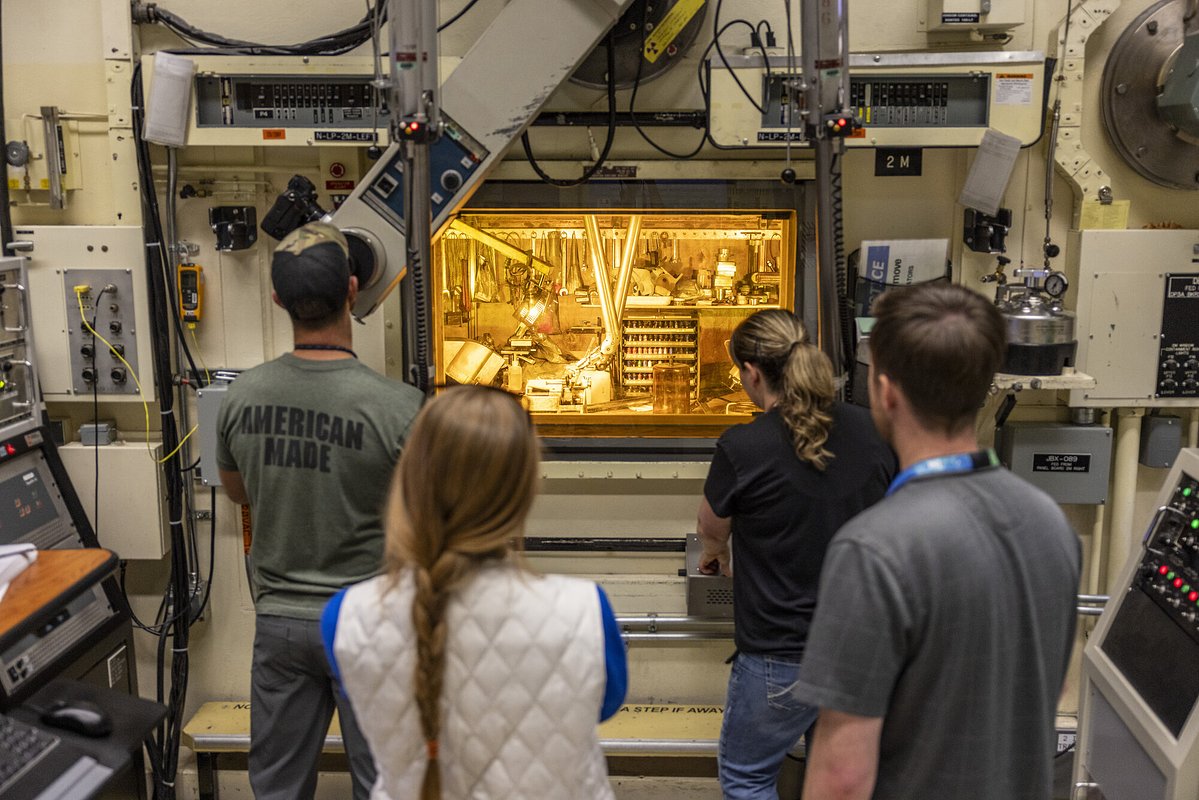
The irradiation campaign at INL's Advanced Test Reactor (ATR) provided crucial real-world performance data. The ATR subjects fuel samples to more aggressive conditions than a standard commercial reactor, allowing for accelerated testing that simulates many years of operation. Post-Irradiation Examination (PIE) of the fuel rodlets, conducted at INL's Materials and Fuels Complex, has so far confirmed the fuel's robustness. Initial observations show that the ANEEL fuel maintains its structural integrity and exhibits superior retention of fission gases—a key safety indicator—compared to traditional uranium dioxide fuels.
"Surpassing 60 GWd/MTU of burnup in the Advanced Test Reactor marks an important milestone for the ANEEL fuel program,” said Mehul Shah, CEO of Clean Core Thorium Energy, in a statement. “This irradiation campaign provides meaningful performance data and demonstrates that thorium-HALEU fuel can achieve burnup levels comparable to those seen in PWR fuels while offering improved fuel utilization, enhanced safety characteristics, inherent proliferation resistance, and meaningful reductions in long-lived nuclear spent fuel radioisotopes."
From the Lab to the Global Grid
The collaboration with Idaho National Laboratory, managed by the U.S. Department of Energy, lends significant scientific credibility to the results. The successful completion of this final phase of the irradiation experiment, which began in May 2024, is the culmination of years of meticulous planning and execution.
"This final portion of the irradiation experiment has been several years in the making and I congratulate Clean Core on their major accomplishment," stated Kelley Walker, the principal investigator for the project at INL. "This has been an exciting project to support, and I’m eager to see what can be learned from the upcoming high burnup sample PIE results."
With the irradiation testing complete and detailed analysis underway, Clean Core Thorium Energy is already looking ahead. The company has announced its next major goal: a demonstration irradiation in a commercial power reactor. This crucial step will move ANEEL fuel from a proven test concept to a commercially validated reality, requiring engagement with national regulators like the Canadian Nuclear Safety Commission and others responsible for overseeing the world's PHWR fleet.
This transition from the laboratory to the commercial grid will involve navigating a complex landscape of licensing, manufacturing scale-up, and utility partnerships. However, by proving the fundamental performance and safety characteristics of its thorium-based fuel in one of the world's most advanced test reactors, the company has taken a significant leap forward in its mission to offer a cleaner, safer, and more efficient future for nuclear energy.