
- 5-10% negative impact on On-Time In-Full (OTIF) performance due to inefficient yard operations, leading to financial penalties from major retailers.
- $50 to $100 per load in additional costs for driver wait times, which can accumulate into millions annually for high-volume facilities.
- Chronic labor shortages and high turnover exacerbate yard inefficiencies, compounded by poor visibility and lack of standardized performance tracking.
Experts argue that neglected yard operations are a critical enterprise liability, causing financial, operational, and safety risks, and require a shift from tactical management to a strategic 'enterprise yard operating system' for improved efficiency and resilience.
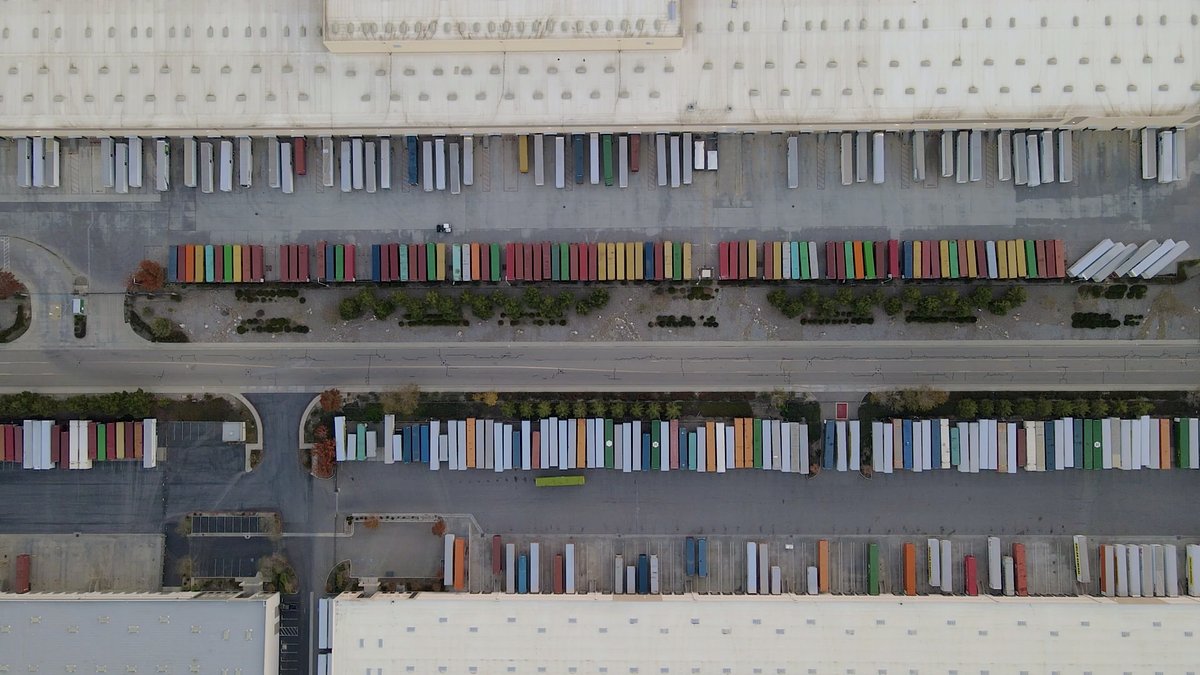
The Unseen Threat: How Neglected Yards Are Crippling Supply Chains
DALLAS, Jan. 27, 2026 – For decades, the logistics yard—that sprawling expanse of concrete and asphalt between the security gate and the warehouse dock—has been treated as a mere operational footnote. A new report, however, argues this overlooked area is evolving into a critical enterprise liability, quietly inflicting significant damage on corporate balance sheets, service levels, and strategic goals.
In a market analysis released today, globally recognized supply chain expert Bart De Muynck identifies yard operations as a major emerging risk for shippers. The report, titled Market Radar: Yard Logistics – From Tactical Execution to an Enterprise Yard Operating System, contends that the long-held view of the yard as a local, tactical function is dangerously outdated. Instead, it posits the yard as a critical execution layer where minor inefficiencies can cascade into major network disruptions.
“In today’s operating environment, unmanaged yard operations are no longer an inconvenience. They are an enterprise execution risk,” stated De Muynck, a former Gartner Vice President with over 30 years of industry experience. “Inconsistent processes, hidden costs, accountability gaps, and limited visibility are quietly amplifying variability across transportation and warehouse networks.”
The Growing Cost of Chaos
The risks are not theoretical. Research shows that poorly managed yards are a significant drain on resources. Financially, they are a breeding ground for hidden expenses. Costly detention and demurrage fees accumulate as trailers sit idle, waiting for a dock door. Driver wait times, which can add $50 to $100 per load for delays of just a few hours, balloon into millions of dollars in annual expenses for high-volume facilities. According to the American Trucking Association, inefficient yard operations can directly contribute to a 5-10% negative impact on On-Time In-Full (OTIF) performance, a key metric that carries substantial financial penalties from major retailers.
Operationally, a chaotic yard creates a ripple effect. Congestion and poor trailer staging directly hinder warehouse throughput, straining labor and causing bottlenecks that delay outbound shipments. This puts immense pressure on warehouse teams and carriers, forcing them into a constant state of reactive firefighting.
Beyond financial and operational impacts, the yard is an environment ripe with safety and sustainability concerns. As high-traffic zones with a constant flow of heavy equipment and personnel, yards are inherently dangerous. Inconsistent processes and poor communication only increase the likelihood of accidents. Furthermore, the excessive idling of yard trucks and inefficient trailer movements contribute directly to fuel waste and greenhouse gas emissions, undermining corporate sustainability initiatives. Consulting giant McKinsey & Company has also identified yard operations as a key, and often overlooked, lever for reducing both costs and emissions.
Beyond Software: The Myth of the Technology Fix
For years, the proposed solution to yard chaos has been technology, typically in the form of a Yard Management System (YMS). However, De Muynck’s report argues that this approach has largely failed to deliver on its promise. The core issue, he finds, is not a lack of tools but a lack of discipline.
“Execution governance and operating discipline, not technology availability, represent the primary constraint on consistent yard performance at scale,” the report states. Many organizations have discovered this the hard way, implementing expensive YMS software only to find it acting as a digital version of a broken, manual process. A YMS can track a trailer, but it cannot fix inconsistent workflows, an unaccountable outsourced provider, or a lack of standardized performance metrics.
This is where De Muynck introduces a crucial distinction: the shift toward an “enterprise yard operating system.” This is defined not as a piece of software, but as an integrated operating model that governs how yard operations are planned, executed, measured, and improved across all facilities in a network. This model unifies labor, workflows, and technology under a single, cohesive framework built on standardized processes and clear accountability.
“At scale, a yard operating system drives operational maturity, not just activity,” De Muynck explained. “It enables predictability, accountability, and repeatability across the network rather than isolated site-level improvements.” This model turns the yard from a series of disconnected activities into a synchronized component of the broader supply chain.
A Disconnect Between Strategy and Reality
The problems identified in the report are rooted in a long-standing disconnect between corporate strategy and operational reality. While executives focus on network optimization and digital transformation, many of their yards still run on clipboards, two-way radios, and siloed, site-specific knowledge. This fragmentation is a direct result of decades of underinvestment and strategic neglect.
Common pain points plaguing yards today include chronic labor shortages, high turnover, poor visibility into trailer locations and statuses, and a near-total lack of standardized performance tracking. The rapid growth of e-commerce has only intensified these pressures, turning once-manageable facilities into perpetual bottlenecks. Many organizations continue to manage yards on a site-by-site basis, leading to a patchwork of inconsistent processes and performance levels across their network.
This strategic misalignment means that even when technology is introduced, it is often deployed into an environment not prepared to leverage it, limiting its impact and frustrating front-line workers.
The Path Toward a Resilient Supply Chain
While the report paints a stark picture, it also frames the issue as a strategic opportunity. By addressing the yard, companies can unlock significant improvements in efficiency, cost control, and overall supply chain resilience. Moving from a tactical to a strategic view of yard logistics enables organizations to reduce variability and enhance predictability—two invaluable assets in today's volatile global market.
De Muynck’s call for a new operating model is bolstered by his extensive background advising leading manufacturers and retailers on turning strategy into measurable results. His perspective aligns with a growing consensus in the industry that true operational excellence requires a holistic approach where people, process, and technology are seamlessly integrated.
Ultimately, the report serves as a wake-up call for senior leadership. It challenges executives to look past the warehouse doors and recognize the yard for what it has become: a critical control point for the entire supply chain. Transforming it from a source of risk into a strategic asset for competitive advantage requires more than a new software purchase; it demands a fundamental shift in mindset and a commitment to operational discipline across the enterprise.