
- 10x improvement: BIEL Crystal's “Witch Cloak” Ultra-Hard Coating offers a tenfold improvement in smartphone screen durability. - 7 on Mohs scale: The coating achieves a hardness of over 7, surpassing most current smartphone screens (5-6). - 15,000 friction cycles: The anti-fingerprint surface withstands 15,000 friction cycles, maintaining smooth usability.
Experts agree that this innovation marks a critical shift in consumer electronics, where hardware resilience is now prioritized alongside software advancements, enhancing both user trust and sustainability.
The Unseen Armor Guarding Our Digital Identity
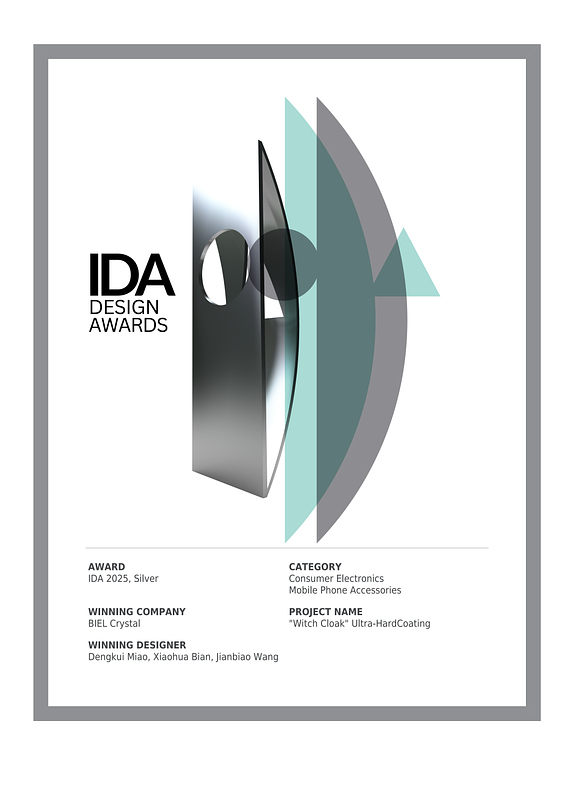
HONG KONG – December 15, 2025 – In the world of consumer electronics, innovation is often measured by processing speed or pixel density. Yet, a recent honor from the prestigious International Design Awards (IDA) highlights a different, more fundamental frontier: resilience. BIEL Crystal, a key supplier for brands like Apple and Samsung, has secured a Silver IDA award for its “Witch Cloak” Ultra-Hard Coating, a material that promises a tenfold improvement in smartphone screen durability. While a stronger screen may seem like a simple convenience, it represents a critical reinforcement of the most important piece of hardware we own—the physical gateway to our digital identity.
Every day, we entrust our smartphones with the keys to our lives: our financial data, private conversations, professional networks, and personal memories. This device is the tangible anchor for our increasingly intangible existence. When its screen shatters, it’s not just an aesthetic inconvenience or a costly repair; it’s a breach in the vessel that holds our identity. This award signals a pivotal shift, where the industry is finally recognizing that the functional endurance of our devices is as crucial as the software that runs on them.
The Science of Resilience
The name “Witch Cloak” might sound like fantasy, but the technology is grounded in formidable material science. The coating is built upon an exclusive structure of 4,000 distinct layers, an engineering feat that achieves a hardness of over 7 on the Mohs scale. To put that in perspective, many current-generation smartphone screens hover between a 5 and 6. The jump to 7 places this new material in the same category as quartz, meaning it can resist scratches from one of the most common culprits of screen damage: sand.
This leap in hardness translates to what BIEL Crystal quantifies as a 10-fold improvement in impact and scratch resistance. For the end-user, this is the difference between a minor drop causing a spiderweb of cracks and the phone surviving unscathed. It addresses a universal point of failure and a primary source of consumer frustration. Beyond sheer toughness, the coating integrates multiple anti-reflective layers to enhance screen clarity and a durable anti-fingerprint surface, polished at a nano-level, that withstands 15,000 friction cycles. The result is a surface that is not only tough but also maintains the smooth, responsive feel that users expect from a premium device. This isn't just about preventing catastrophic failure; it's about preserving the seamless interaction we have with our digital world.
A Strategic Shield in the Supply Chain
BIEL Crystal’s innovation is more than just a technical achievement; it’s a strategic masterstroke in the high-stakes global supply chain. As one of the world's largest cover glass manufacturers, the company operates in a fiercely competitive landscape, vying for contracts against giants like Corning, the maker of Gorilla Glass, and Japan's AGC. In this arena, innovation is currency. Developing a proprietary technology like “Witch Cloak” allows the Hong Kong-based manufacturer to differentiate its offerings and strengthen its indispensable role as a core supplier to the world's leading smartphone brands.
The IDA award serves as an external validation of this technological edge, providing powerful leverage in negotiations with device makers. For companies like Apple and Samsung, whose brand reputations are built on quality and user experience, incorporating a demonstrably more durable screen becomes a powerful marketing tool and a key differentiator in a saturated market. The ability to advertise a phone as “ten times more scratch-resistant” could sway purchasing decisions and justify premium price points. This award, therefore, isn't just a trophy; it's a signal to the industry that BIEL Crystal is setting a new benchmark for performance, compelling competitors to accelerate their own R&D cycles to keep pace.
Redefining Design: From Aesthetics to Endurance
The recognition of an ultra-hard coating by a major design award also illuminates a broader evolution in the definition of “good design.” For years, industrial design in consumer electronics was heavily weighted toward aesthetics—thinner profiles, sleeker lines, and novel colors. The IDA’s decision to honor a functional, almost invisible, material underscores a growing consensus: great design must also be durable, practical, and human-centered.
This shift reflects a maturing market and a more discerning consumer. As the novelty of the smartphone form factor has worn off, users are increasingly prioritizing longevity and reliability. The frustration of “planned obsolescence” and the high cost of repairs have fueled a demand for products built to last. The “Witch Cloak” technology directly answers this call. By making the most fragile part of the device significantly stronger, it extends the product’s viable lifespan. This trend aligns with the global “Right to Repair” movement, which advocates for more sustainable and repairable electronics. While a stronger screen may reduce the need for repairs, its contribution to overall device longevity is a core tenet of this philosophy.
The Human Impact: Trust, Durability, and a Greener Footprint
Ultimately, the true significance of this innovation lies at the intersection of technology and the human experience. A more durable smartphone directly addresses the anxiety and financial burden associated with accidental damage. It builds a deeper layer of trust between the user and the device they depend on for so much. When we can trust our hardware to withstand the rigors of daily life, we can more confidently rely on it as the secure container for our digital identity.
Furthermore, this advancement has profound implications for sustainability. The production of a new smartphone carries a significant environmental cost, from resource extraction to manufacturing emissions. By extending the functional life of these devices, technologies like the “Witch Cloak” help reduce the frequency of replacement, thereby mitigating the flow of e-waste. A phone that lasts four or five years instead of two is inherently a more sustainable product. This innovation demonstrates how advancements in material science can be a powerful force for positive environmental change, moving the industry away from a cycle of disposability toward a future of endurance.
As this technology potentially finds its way into the next generation of flagship devices, it will do more than just save screens from cracking. It will reinforce the trust we place in our most personal technology, reduce our collective environmental impact, and validate a new paradigm where the resilience of our hardware is finally given the same priority as the intelligence of our software.