
- 40+ AI-powered hardware startups showcased at CES 2026
- 200+ smart hardware startups incubated by the ecosystem
- 75% of projects designed for overseas markets
Experts would likely conclude that the XbotPark and InnoX Academy ecosystem is successfully de-risking hardware innovation and fostering globally competitive AI brands through its integrated model of education, incubation, manufacturing, and venture capital.
The Startup Supercharger: How One Ecosystem Is Forging Global AI Brands
LAS VEGAS, NV – January 07, 2026 – Amid the sprawling halls of CES 2026, where the world’s tech giants and hopeful inventors vie for attention, one delegation stands out not for a single gadget, but for the sheer breadth of its innovation. The XbotPark and InnoX Academy ecosystem has arrived with a formidable portfolio of over 40 AI-powered hardware startups, offering a vivid demonstration of a new powerhouse in global technology development. From smart home wizards to advanced robotic systems, these companies are the product of an integrated model that is systematically de-risking hardware innovation and building global brands from the ground up.
This impressive showing is the culmination of a vision set forth by Professor Li Zexiang, a distinguished figure in robotics and a driving force behind of drone behemoth DJI. His experience mentoring DJI's founder provided the blueprint for an ecosystem designed to overcome the notorious challenges of hardware entrepreneurship. The result is a unified platform that integrates education, incubation, manufacturing, and venture capital, turning promising ideas into market-ready products at an unprecedented scale.
"CES is the ultimate proving ground. It's a critical opportunity to validate products against real-market feedback, driving rapid and precise iteration," stated Professor Li. "CES 2026 offers a glimpse into the next generation of intelligent hardware products emerging from our platform. These brands reflect how AI and hardware are converging to create new product categories."
An Ecosystem Built for Hardware
The foundation of the ecosystem's success is its unique "1 Region + 1(N) University + 1 Platform + 1 Park" framework. This isn't just a catchy slogan; it's a meticulously structured approach to fostering innovation. The model leverages the immense manufacturing capabilities of China's Greater Bay Area (the Region) and deep partnerships with leading academic institutions like the Hong Kong University of Science and Technology (the University), where Professor Li teaches. This synergy creates a direct pipeline of engineering talent and cutting-edge research.
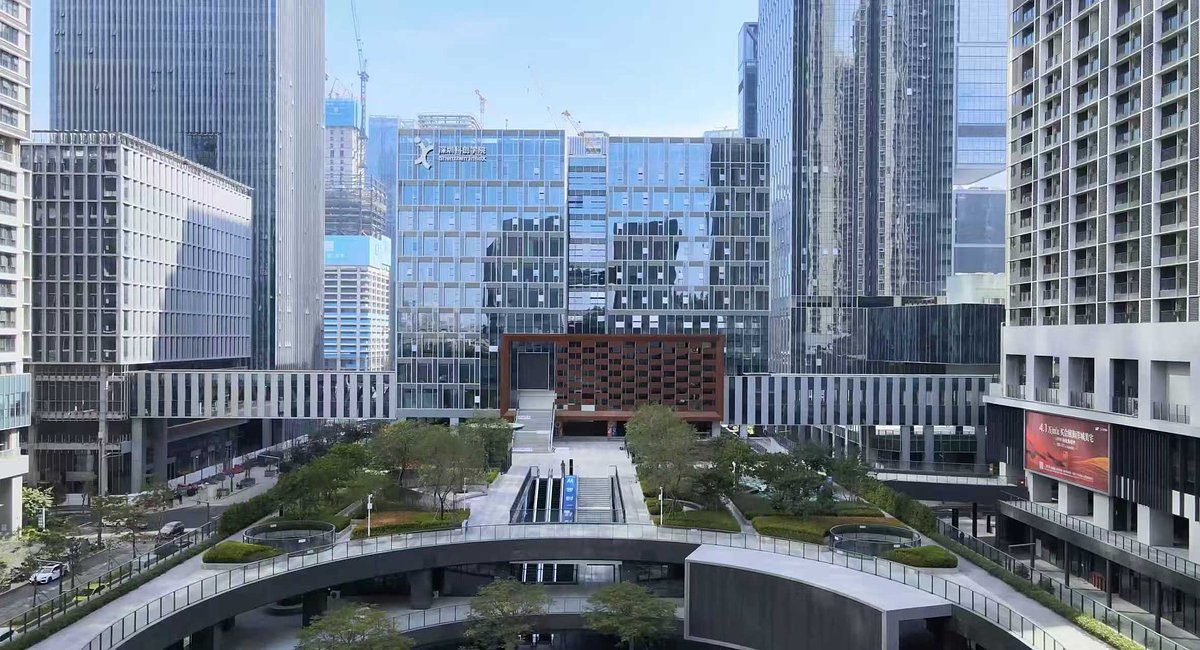
The Park component provides the physical space - campuses in cities like Shenzhen and Hong Kong - where entrepreneurs find mentorship, labs, and a collaborative community. Within this supportive environment, founders are guided through the entire innovation journey, from ideation and product definition to prototyping and market entry. However, the most critical piece for any hardware startup is the Platform.
This is where the XbotPark Collaborative Manufacture (XCM) comes in. It is a part of an incubation platform - an integrated ecosystem that brings together talent cultivation, incubation, and acceleration for tech companies. Hardware is famously hard because turning a prototype into a mass-produced product is a capital-intensive minefield of supply chain logistics, quality control issues, and production delays. XCM acts as a shared resource, connecting startups to a vetted network of over 120 suppliers and providing expert engineering support. By pooling resources and expertise, the XCM dramatically lowers the barrier to entry, allowing founders to focus on innovation rather than logistics. The XCM's effectiveness is clear: it has facilitated the cumulative shipment of nearly 370,000 units, proving its ability to scale ideas into tangible products.
Forging a New Generation of Global Brands
The result of this holistic support system is a growing roster of highly successful companies that are competing and winning on the world stage. The ecosystem has incubated over 200 smart hardware startups, including established names like Narwal, a leader in the premium robotic vacuum market; SwitchBot, which has carved out a significant niche in the smart home retrofitting space; and Mammotion, a disruptive force in robotic lawn care with its advanced GPS-guided mowers.
These companies exemplify the ecosystem's global ambitions. A remarkable 75% of incubated projects are designed for overseas markets, and 60% of their founders possess international backgrounds. This global-first mindset is further validated by their crowdfunding success, with 13 different projects having raised over $1 million each on Kickstarter. This demonstrates a keen ability to develop products that resonate with international consumers and to execute successful go-to-market strategies far from their home base.
Carol Yu, the founding partner and SVP of XbotPark & InnoX, highlighted this strategy: "We help startups go global together. At CES last year and this year, XbotPark and InnoX have guided early-stage teams with end-to-end strategy and support. We also take founders to specialized trade shows around the world, giving them firsthand insights into markets, distribution channels, and customer needs."
The Future of AI Hardware on Display
The diverse startups showcased at CES 2026 paint a clear picture of where AI-powered hardware is headed. The portfolio spans lifestyle, health, entertainment, and enterprise solutions, each integrating intelligence into the physical world in novel ways.
- Kamingo is democratizing urban mobility with an e-bike conversion kit that transforms a standard bicycle into a powerful 750W electric bike in seconds.
- Xbrewlab targets beverage connoisseurs with its EverNitro system, a cartridge-free nitrogen drink maker that delivers barista-quality nitro cold brew at home without waste.
- XenRobo is pushing the boundaries of human augmentation with the XenRobo K1, an intelligent knee exoskeleton designed to boost endurance and mobility for hikers and athletes.
- Matrix Innovation is giving robots a sense of touch with its tactile electronic skin and flexible pressure sensors, enabling more natural and safer human-robot interaction.
- Hengbot is bringing advanced robotics into homes and educational settings with Sirius, an agile and programmable robotic dog designed for dynamic interaction.
These products are not just isolated inventions; they are manifestations of a core philosophy. As Professor Li Zexiang noted, the future lies in integrated intelligence where engineering and the physical world converge. "This is where new industries will emerge, and where the founders we cultivate today will shape the technologies of tomorrow," he explained. By nurturing a new wave of entrepreneurs armed with this competitive edge, XbotPark and InnoX are not just participating in the future of technology - they are actively building it.