
- 40% of a home's energy can be lost to air leakage, costing Detroit homeowners over $500 annually (U.S. Department of Energy).
- 20-30% of conditioned air escapes through leaky ducts (ENERGY STAR).
- Up to 20% reduction in heating and cooling costs by air-sealing and insulating homes, potentially saving Detroit homeowners $260 or more per year.
Experts emphasize that addressing hidden air leaks and faulty ductwork is critical for Detroit homeowners to reduce energy bills, improve comfort, and enhance HVAC system efficiency.
The Silent Thief Costing Detroit Homeowners Thousands in Energy Bills
DETROIT, MI – February 16, 2026 – As Michigan’s winter chill persists, many Detroit-area homeowners are watching their heating systems work overtime, often unaware of a silent and costly problem lurking within their walls and crawlspaces. A local home service expert is now urging residents to address a common but frequently overlooked issue—hidden air leaks and faulty ductwork—before the seasons change, warning that these invisible culprits are a major source of high energy bills and household discomfort.
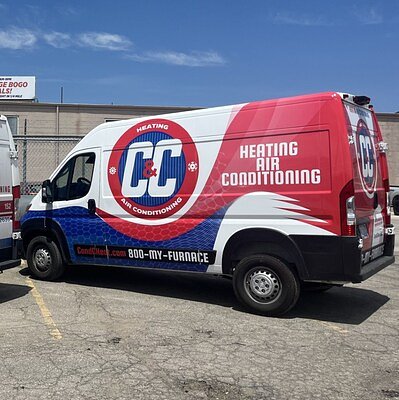
C & C Heating & Air Conditioning, a company with over seven decades of experience in the region, is sounding the alarm, advising that proactive maintenance now can lead to significant savings and improved comfort throughout the entire year.
The High Cost of Invisible Leaks
For many residents, the shock of a high utility bill has become a familiar sting. With average residential electric bills from providers like DTE Energy and Consumers Energy hovering around $127 per month—well above the national average—every bit of wasted energy translates to real money lost. According to the U.S. Department of Energy, a staggering 40% of a home's energy can be lost to air leakage, which could mean over $500 vanishing from a homeowner's budget annually.
The primary offender is often the duct system, the network of passages designed to deliver warm or cool air throughout the home. According to the federal ENERGY STAR program, a typical home loses about 20-30% of the air moving through its ducts due to leaks, holes, and poor connections. This conditioned air, which homeowners have paid to heat, escapes into unconditioned spaces like attics, basements, and crawl spaces instead of reaching living areas.
“Drafts and duct leaks are some of brainstorm overlooked causes of high energy bills,” said Dayna Hottle, general manager of C & C Heating & Air Conditioning, in a recent advisory. “When warm air escapes through gaps in ductwork or around doors and windows, heating systems have to work harder to keep homes comfortable.”
This inefficiency forces HVAC systems to run longer and more frequently, driving up energy consumption. Research indicates that comprehensively air-sealing a home and insulating it properly can reduce heating and cooling costs by up to 20%. For Detroit homeowners, this could translate into annual savings of $260 or more, with some analyses suggesting a payback period of less than five years for the necessary improvements.
Beyond the Thermostat: The Battle for Home Comfort
While the financial drain is significant, the impact of air leaks extends beyond the monthly budget. It directly affects the comfort and livability of a home. Many homeowners who experience drafty rooms, uneven temperatures, and persistent cold spots might blame their furnace or air conditioner, sometimes investing in expensive new equipment without solving the root cause.
“Many homeowners think discomfort is a furnace problem, when the real issue is air loss,” Hottle explained. “Fixing leaks improves comfort, lowers energy use and helps protect the heating system from unnecessary wear.”
This phenomenon occurs because of two related issues: infiltration and exfiltration. Infiltration happens when cold outdoor air seeps in through gaps around windows, doors, electrical outlets, and penetrations for plumbing or wiring. Exfiltration is the escape of heated indoor air through these same cracks, as well as through leaky ducts. During Detroit’s cold winters, this constant exchange creates drafts and forces the heating system into a continuous, losing battle against the outdoor elements. In the summer, the reverse is true, as hot, humid air infiltrates and makes air conditioners work harder to cool and dehumidify the space.
Studies on homeowner behavior show that while many are aware of obvious drafts, they often miss these less visible culprits. The focus tends to be on simple fixes like new lighting, while more impactful but hidden issues like unsealed duct seams or gaps in the building envelope go unaddressed. This knowledge gap is a primary barrier, alongside the perceived upfront cost of repairs, preventing many from achieving a truly efficient and comfortable home.
A Proactive Approach for Year-Round Benefits
The transition from winter to spring presents a crucial window of opportunity for homeowners. Addressing air leaks now not only helps reduce the final heating bills of the season but also prepares the home for the cooling demands of summer. A well-sealed and insulated home envelope provides year-round efficiency.
“Air leaks affect comfort in every season,” Hottle noted. “Taking care of them now helps homeowners avoid higher energy bills and enjoy more consistent temperatures.”
Homeowners can start with simple visual inspections. Checking for drafts with your hand or a lit incense stick near windows, doors, and outlets can reveal problem areas. Worn or missing weatherstripping and caulking are easy and inexpensive to replace. Visible ductwork in basements or attics should be examined for loose connections, gaps, or damage, which can often be sealed with specialized mastic sealant or metal-backed tape.
For a more thorough diagnosis, many Detroit-area service providers offer professional home energy assessments. These audits often use advanced tools like blower door tests, which depressurize a house to precisely measure its air-tightness and pinpoint leak sources. Thermal imaging cameras can also be used to visualize heat loss through walls and ceilings, revealing hidden insulation gaps and air pathways.
By taking these proactive steps, homeowners can move beyond simply adjusting the thermostat and address the fundamental performance of their home, ensuring that their investment in heating and cooling isn't silently escaping through the cracks.