
- 44% of employees feel overwhelmed by workplace messages despite half reporting the volume is 'about right'.
- 72% of workers view digital signage as an effective, low-interruption communication channel.
- Direct managers are identified as the most trusted source of communication.
Experts agree that the crisis in workplace communication is not about quantity but about quality, clarity, and trust, with a strategic shift towards transparency, empathy, and targeted technology solutions being essential for improvement.
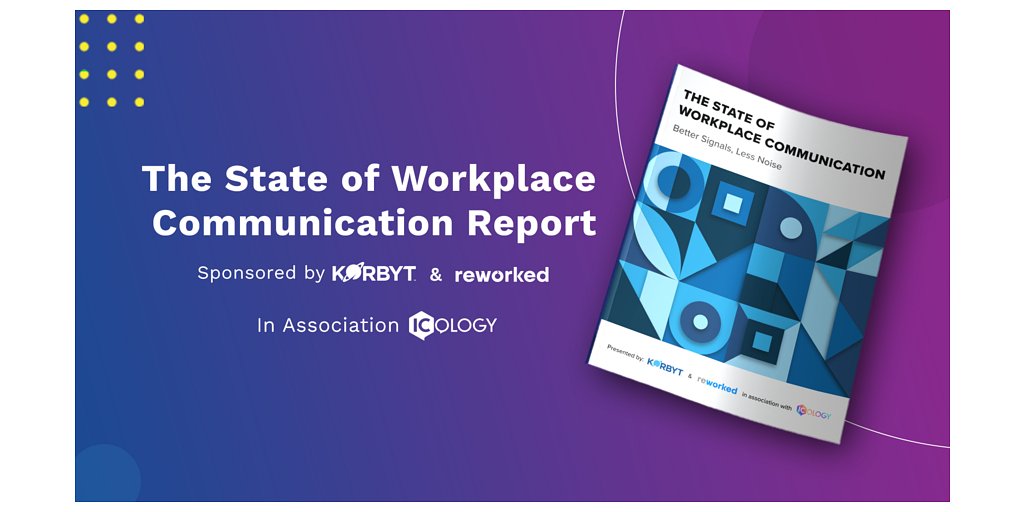
The Silent Crisis: Why Your Employees Are Ignoring Workplace Messages
DALLAS, TX – April 23, 2026 – In workplaces across the country, a quiet disconnect is growing. Companies are broadcasting more messages across more channels than ever, yet a significant portion of their workforce has stopped listening. A new study suggests the problem isn't that employees are receiving too much information, but that the information they receive is irrelevant, untrustworthy, and exhausting.
A comprehensive survey of over 1,100 U.S. workers, commissioned by workplace experience firm Korbyt in partnership with the digital workplace publication Reworked, reveals a critical paradox in internal communications. While roughly half of employees report the volume of communication they receive is “about right,” a staggering 44% still feel overwhelmed. This disconnect signals a deeper issue: the crisis is not one of quantity, but of quality, clarity, and trust.
“Organizations have spent years trying to solve workplace communication by adding more channels and more messages,” said Travis Kemp, VP of Product Management at Korbyt, in the report's announcement. “What this research shows is that employees aren’t asking for more communication, they’re asking for better communication. Clarity, relevance, and trust now matter more than volume.”
The Anatomy of Communication Fatigue
The study pinpoints three primary drivers of employee disengagement: messages that are not actionable, not trusted, or are mind-numbingly repetitive across different platforms. When an employee receives the same generic announcement in an email, a chat notification, and on the company intranet, the result isn't reinforcement—it's fatigue. This channel overload drives employees to tune out official communications and creates a reliance on unofficial, back-channel tools, eroding organizational alignment.
This phenomenon aligns with broader workplace trends where digital burnout is rampant. Research from multiple sources has shown that the pressure to be constantly available and responsive to a barrage of digital messages contributes significantly to employee stress and disengagement. The Korbyt/Reworked study suggests that satisfaction with communication volume may be a misleading metric. Instead of indicating a healthy information flow, it could be a sign of resignation—employees have simply given up on keeping up and are disengaging to preserve their focus and sanity.
The core issue is a fundamental breakdown in message discipline. When communications lack a clear purpose, a specific audience, or a required action, they become part of the background noise that a modern worker must filter out to remain productive.
The Trust Deficit: Value and Authenticity Matter Most
Perhaps the most crucial finding from the study is the role of trust in capturing employee attention. The research indicates that trust isn't built through polished, top-down corporate announcements or messages that feel like leadership performance. Instead, employees are most likely to trust and act on communication that has direct operational value and helps them perform their jobs more effectively.
Crucially, the most trusted source of this communication is an employee's direct manager. This finding underscores the pivotal role of frontline leadership in the communication chain. Organizations that bypass managers or fail to equip them with the right information create a trust vacuum that no volume of corporate-level messaging can fill. When employees feel their primary source of information is disconnected from their daily work, they begin to question the authenticity and relevance of all internal communications.
Building this trust requires a strategic shift towards transparency and empathy. Best practices in the industry emphasize that leaders must communicate the “why” behind decisions, listen actively to feedback, and model the open, honest communication they wish to see in the organization. Without this foundation of trust, even the most well-crafted messages fall on deaf ears.
Redefining the Channel: Smart Tech as a Solution
As companies grapple with communication fatigue, technology is emerging as both a cause and a potential solution. The study highlights two key technologies that are reshaping the internal communications landscape: digital signage and artificial intelligence.
Digital signage is increasingly seen as a powerful, low-friction channel. According to the survey, 72% of workers view workplace screens as an effective way to stay informed without being interrupted. Unlike a chat notification that demands immediate attention, a well-placed screen in a common area or on the factory floor can deliver important operational updates and company-wide announcements in an ambient, easily digestible format. This is particularly effective for reaching frontline and non-desk workers who are often left out of traditional digital communication loops.
Artificial intelligence, meanwhile, presents a more complex, double-edged sword. Employees are not inherently opposed to AI-generated messages, but their skepticism grows when those messages feel repetitive, untrustworthy, or simply add to the noise. The promise of AI in communications is not to generate more content, but to create smarter content—filtering information, personalizing messages, and ensuring relevance for each employee. Platforms like Korbyt's own 'Korbyt Anywhere' are being developed with AI agents designed to reduce noise, not amplify it, by automating the delivery of targeted, data-driven information.
Building a Cohesive Strategy for the Future of Work
The insights from the Korbyt/Reworked study paint a clear picture: a successful internal communication strategy is no longer about mastering a single channel. It requires building an integrated ecosystem where every message has a purpose, every channel has a role, and technology is used to enhance clarity, not create clutter.
The market is already reflecting this shift. The recent announcement that Workplace from Meta will be discontinued signals a move away from general-purpose, social-style enterprise tools and toward more specialized, integrated workplace experience (WEX) platforms. Companies like Poppulo and Korbyt are focused on providing comprehensive solutions that combine digital signage, mobile apps, and desktop tools with powerful analytics and integration capabilities, allowing organizations to manage their communications holistically.
Ultimately, fixing the silent crisis of communication disengagement requires a collaborative effort between IT, HR, and corporate communications leaders. It involves adopting a strategic approach that prioritizes the employee experience, fosters a culture of trust through authentic leadership, and leverages technology not as a megaphone, but as a fine-tuned instrument for connection and alignment.