
- 6.7 million customers lost power during Hurricane Irma
- Homes without surge protection are 3 times more likely to suffer HVAC-related electrical damage
- Resilient home construction has led to a 50% reduction in post-hurricane mortgage delinquency rates
Experts agree that hurricane preparedness must evolve beyond basic supplies to include proactive maintenance of critical home systems, emphasizing long-term resilience over short-term survival.
The Resilience Blueprint: Rethinking Hurricane Prep Beyond Water and Batteries
ORLANDO, FL – June 08, 2026
As June unfolds, the familiar rhythm of hurricane preparedness begins across Florida. The checklist is a well-worn script: bottled water, canned goods, batteries, and a reviewed evacuation route. But as a new season dawns, experts are urging a fundamental shift in this annual ritual, moving beyond immediate survival supplies to focus on the invisible, yet critical, infrastructure that determines a home’s ability to weather a storm and recover in its wake.
While meteorological agencies like NOAA and Colorado State University predict a near-to-below-average 2026 season—largely due to a developing El Niño—seasoned Floridians and disaster experts alike caution against complacency. The lesson learned from devastating seasons past is that it only takes one storm making landfall to redefine a community. The real narrative of preparedness is not in the total number of storms, but in the structural and systemic resilience of our homes. This year, the focus is turning inward, to the electrical, plumbing, and HVAC systems that form the operational backbone of modern life.
The Unseen Vulnerabilities in Your Walls
A hurricane’s assault is multi-faceted, and its most lasting damage often begins long after the winds die down. The state’s history is a testament to this, with Hurricane Irma leaving 6.7 million customers without power and more recent storms like Milton cutting electricity to over 3 million households. These outages are more than an inconvenience; they are the starting point for a cascade of system failures.
Power surges, which occur when electricity is interrupted and restored, are a primary threat. According to industry data, homes without adequate surge protection are three times more likely to suffer HVAC-related electrical damage. These voltage spikes can instantly destroy the sensitive control boards and compressors in air conditioners, refrigerators, and other major appliances. For an HVAC system already stressed by Florida’s oppressive summer heat, a power surge can be a final, fatal blow.
Beyond the winds, the deluge of water presents another insidious danger. Intense rainfall can overwhelm municipal sewer systems, leading to backflow events that push contaminated water back into homes—a significant health hazard. Simultaneously, ground saturation can cause underground pipes to shift, crack, or separate, leading to costly and complex repairs. Inside the home, a power outage can disable sump pumps in low-lying areas, inviting floodwaters to creep in. Outdoor HVAC units, meanwhile, are not only vulnerable to being turned into projectiles by high winds but can also be submerged and ruined by floodwaters.
A New Paradigm of Preparedness
Recognizing these vulnerabilities is the first step in a new, more robust approach to hurricane readiness. It involves strategic, proactive maintenance—a stark contrast to the frantic scramble for services once a storm is named. As one local expert notes, the window of opportunity closes rapidly when a hurricane watch is issued.
"Once a storm is in the forecast, service appointments fill up quickly and homeowners have fewer options," says Josh Geltz, Operations Manager with Frank Gay Services, a company that has serviced Central Florida homes since 1976. "Taking preventive measures before hurricane season reaches its peak can help reduce the risk of costly damage and make it easier to get your home back to normal after a storm passes."
This proactive checklist moves beyond the pantry and into the utility closet:
HVAC Inspection: A pre-season tune-up is crucial. Technicians can identify and replace worn components, clear clogged condensate lines—a frequent failure point in humid climates—and ensure the system is running efficiently. This not only reduces the likelihood of a breakdown during a heatwave but also fortifies the unit against the added stress of a storm.
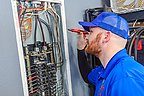
Electrical Fortification: The single most recommended upgrade by independent home inspectors and electricians is whole-home surge protection. Installed at the electrical panel, this device acts as a gatekeeper, shielding all connected devices from damaging voltage spikes. An inspection of the panel itself, especially in older homes, can identify outdated wiring or overloaded circuits that pose a fire risk during power fluctuations.
Securing Outdoor Equipment: Outdoor HVAC condensers and generators should be securely anchored according to manufacturer specifications. Pruning overhanging tree branches and clearing the surrounding area of any potential debris can prevent catastrophic impact damage during high winds.
Plumbing and Drainage Checks: Homeowners should ensure all drains are clear and that sump pumps, if present, are functional and preferably have a battery backup. Knowing the location of the main water shutoff valve is as critical as knowing where the electrical panel is, allowing a resident to quickly stop a major leak and prevent widespread water damage.
The Economics of Resilience
The shift toward systemic preparedness is more than a matter of personal convenience; it is a critical component of community-wide economic resilience. The financial calculus is stark: the cost of a pre-season inspection and a surge protector is a fraction of replacing an entire HVAC system or rewiring a home after a storm. Historical data supports this; studies have shown that modern, code-compliant construction, which includes many of these resilient features, has prevented billions in damage during major hurricanes.
Furthermore, the economic benefits ripple outward. Research has linked resilient home construction to a nearly 50% reduction in post-hurricane mortgage delinquency rates. When homes are damaged less severely, families can re-inhabit them faster, local economies stabilize more quickly, and the strain on insurance and federal aid systems is significantly reduced. Proactive maintenance is, in effect, an investment in both personal financial security and community stability.
This approach also acknowledges the operational realities of the home service industry. In the aftermath of a major storm, HVAC, plumbing, and electrical professionals become de facto first responders, working tirelessly to restore normalcy. However, the sheer volume of calls can overwhelm even the largest companies, leading to long wait times for parts and service. By addressing potential issues during the relative calm before the storm, homeowners not only protect their own property but also help alleviate the post-disaster bottleneck, allowing service providers to focus on the most critical emergency repairs.
Ultimately, true hurricane preparedness is evolving from a short-term survival strategy to a long-term resilience plan. It requires a change in mindset, viewing the home not as a passive shelter but as an active system that can be optimized for durability. It’s about leveraging the quiet months to make intelligent, strategic investments that pay dividends when the winds begin to howl. As Geltz aptly puts it, "A little preparation today can make a significant difference when severe weather arrives."