
- 83% of parents would recommend The ACES, reflecting high satisfaction.
- 1.5 years of progress in core subjects achieved by students annually.
- 117,119 students eligible for special education in Colorado (2023-24), up nearly 4% from prior year.
Experts would likely conclude that private specialized schools like The ACES play a critical role in supplementing public special education systems under strain, particularly in providing individualized support that enables student success and reintegration into public schools.
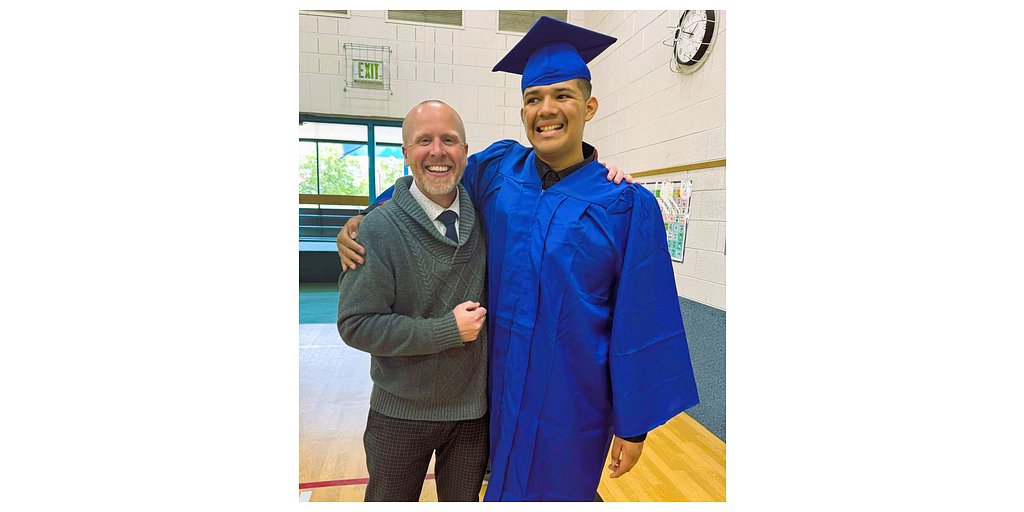
The Private Solution to a Public Challenge in Special Education
WESTMINSTER, CO – June 16, 2026 – A press release recently landed from The Austin Centers for Exceptional Students (The ACES), a specialized school in Westminster, Colorado. It announced a banner year, citing an “all-time high” number of students successfully transitioning back to public schools and a parent survey where 83% of respondents said they would recommend the school. On the surface, it’s a straightforward good-news story of a mission-driven organization achieving its goals.
But in a state where the public special education system is under increasing strain, the success of a private provider like The ACES isn’t just a feel-good story. It’s a data point that reveals the intricate, and often necessary, dance between public school districts and the specialized private institutions they partner with to serve their most vulnerable students. It prompts a critical question: What does this model of success tell us about the broader ecosystem of special education in Colorado, and what happens when the public system can’t meet every need?
A Blueprint for Progress
The ACES, which supported nearly 100 students this past year, attributes its success to a highly structured and individualized approach. According to their press release, the school provides a “safe, structured, supportive educational environment” designed to build behavioral, emotional, and academic skills. This is achieved through a combination of a low student-to-staff ratio and multidisciplinary teams of special education teachers, therapists, and psychologists.
“This success is not only due to our dedicated team, but also the tremendous cooperation we have with our parents and referring districts,” said Brian Esterly, Chief Executive Officer of The ACES. “When we develop and share common goals, students can accomplish amazing growth.”
That growth is what parents are responding to. The school’s internal survey not only showed high recommendation rates but also found that 89% of families felt the staff had established a positive relationship with their student. One parent’s comment captured the sentiment: “We are so very grateful for everything you all have done for our two children... It's very clear the guidance they’ve received at The ACES has been invaluable.”
This feedback points to an environment that goes beyond academics. While The ACES reports students making, on average, 1.5 years of progress in core subjects over a 10-month school year, the survey comments highlighted improvements in less tangible, but equally critical, areas: self-advocacy, emotional regulation, and peer relationships. These are the foundational skills that enable a student not just to return to a less restrictive environment, but to thrive there.
“We are proud of what our Colorado students accomplished this year and are grateful for the trust their families placed in us,” added Brad Trout, M.Ed., the principal at the Westminster campus. His statement underscores the deep-seated trust required from families who often arrive at their doors feeling like they’ve exhausted all other options.
An Ecosystem Under Pressure
The existence and success of The ACES can’t be understood in a vacuum. It is deeply intertwined with the realities of Colorado’s public education system. According to the Colorado Department of Education (CDE), the number of students eligible for special education services has been steadily climbing, reaching 117,119 in the 2023-24 school year—a nearly 4% increase from the prior year and representing over 13% of the total student population.
Simultaneously, the system is grappling with a significant funding crisis. A CDE committee report revealed that in 2021-22, state funding covered only a quarter of the excess costs of special education, leaving local districts to cover the remaining 76% from their general funds. This financial pressure creates an environment where, despite their best efforts, districts may lack the specialized staff, facilities, or low-density classrooms required to meet the complex needs of every student.
This is where private providers like The ACES step in. Serving students from over 100 school districts and charter schools, they function as essential partners. A school district, unable to provide the required intensity of services for a particular student, can contract with The ACES to provide that education. It’s a pragmatic solution that ensures students receive the support mandated by federal law under the Individuals with Disabilities Education Act (IDEA).
This partnership is designed to be a bridge, not a final destination. The ultimate goal, in line with the federal mandate for placement in the “Least Restrictive Environment” (LRE), is for students to gain the skills needed to return to their home schools. The ACES’s celebration of a record number of students transitioning back to their referring districts is more than a metric of institutional success; it’s a validation of this collaborative public-private model. As one outplacement coordinator from a referring district noted in a testimonial, the school's strong communication and collaboration are key to supporting a student’s successful return.
The Human Return on Investment
While system-level analysis and funding charts paint one picture, the true impact is measured in individual lives. For students who have struggled in traditional settings, a school like The ACES offers a chance to reset. The combination of academic instruction with integrated counseling, social skills training, and behavioral support creates a holistic program that addresses the whole child.
This model, replicated across Colorado in 17 specialized private schools serving over 1,200 students, is built on the premise that some children need a different kind of environment to unlock their potential. The focus on life skills—from vocational training in their “Jump Start” program for young adults to basic emotional regulation in middle school—is the key. It’s an investment that pays dividends long after the student has left the specialized campus.
The success reported by The ACES is a testament to the power of a tailored, high-support environment. It also serves as a clear indicator of the persistent and growing need for such services within our communities. As public school systems continue to navigate immense financial and demographic pressures, the role of these dedicated private partners becomes not just helpful, but indispensable in fulfilling the promise of a free and appropriate public education for every child.