
- $13 fee for online reservations to access the Skyline Trail's parking lot
- 4-hour timeslots for trail access, operational from June 26 to October 30, 2026
- Nearly 300,000 visitors to Cape Breton Highlands National Park in 2025
Experts view the reservation system as a necessary conservation measure to protect fragile ecosystems and ensure visitor safety, though some debate its effectiveness in changing visitor behavior and balancing access with preservation.
The Price of a View: Cape Breton's Skyline Trail to Require Reservations
CHÉTICAMP, NS – March 03, 2026 – The sweeping, panoramic view from the Skyline Trail, arguably the crown jewel of Cape Breton Highlands National Park, will soon come with a new requirement: a reservation. In a move to combat the escalating pressures of its own popularity, Parks Canada has announced a mandatory reserved parking system for the iconic trail, set to begin on June 26, 2026.
The new policy aims to tackle a problem plaguing natural wonders worldwide: being loved to death. For a fee of $13 when booked online, visitors will secure a four-hour timeslot to access the trail's parking lot. The measure, active through the peak season until October 30, is designed to protect the fragile headland ecosystem, ensure visitor safety, and end the frustrating turnaways that have become common at the trailhead. While the agency frames it as a necessary step for conservation, the decision places Cape Breton at the heart of a global debate about access, preservation, and the future of public lands.
A Trail at a Tipping Point
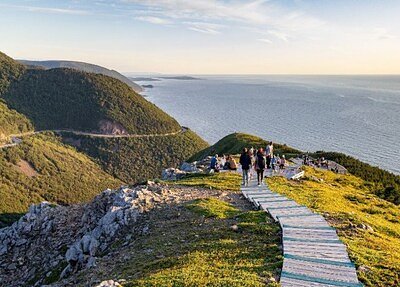
For years, the Skyline Trail has been a must-do for the nearly 300,000 people who visited Cape Breton Highlands National Park in 2025. Its 8-kilometer loop culminates in a dramatic headland boardwalk offering breathtaking vistas of the Gulf of St. Lawrence, a perfect backdrop for sunset photos and whale watching. But this fame has come at a significant cost.
According to Parks Canada, the trail "regularly exceeds its safe visitor capacity during peak season," leading to frequent congestion and temporary closures. The consequences extend beyond human inconvenience. "The boardwalk at the Skyline headland was built to protect sensitive vegetation from trampling," the agency stated. "Overcrowding increases off‑trail travel, and many visitors attempt to get a better view by stepping off the boardwalk which continues to degrade the fragile ecosystem."
This degradation is visible to frequent hikers, who have noted widening unofficial paths and trampled flora. The reservation system is a direct response to this environmental strain, intended to meter the flow of people and reduce the pressure on the delicate landscape. For many visitors who have experienced the "parking lot full" sign, the new system offers a welcome dose of predictability. "It was a very common occurrence to get there and not be able to park," one online commenter noted, suggesting a reservation is preferable to the gamble of a long drive for nothing. However, others worry that the system won't solve the core issue of human behaviour. "Even with few cars in the parking lot, people still go off-path," another frequent visitor remarked, expressing skepticism that crowd size is the only factor in ecological damage.
The Economics of a Timed-Entry Ticket
The new system fundamentally changes how visitors will interact with the park's most famous attraction. Between June 26 and October 30, access will be granted only to those who book a four-hour slot in advance, with the first entry at 8:00 a.m. and the last at 5:00 p.m. Reservations open on May 6 through the Parks Canada Reservation Service.
The fee—$13 for online bookings or $15 by phone—is designated to support "the maintenance, management, and safety of visitor facilities at the Skyline Trail and the operations of the reservation service." This user-pay model is increasingly common for managing high-demand public resources.
The economic ripple effects for the surrounding communities, particularly the gateway town of Chéticamp, are a key point of discussion. Local business owners have long heard from disappointed tourists turned away from the trail. A managed system could, in theory, create a more stable flow of visitors. It may also encourage tourists to plan longer stays, booking accommodations and meals around their reserved hike time. Parks Canada has stated it is "working with partners and stakeholders to inform visitors and local communities" about the change, acknowledging the need for collaboration.
However, the shift away from spontaneous tourism carries risks. Some worry it could deter last-minute travelers or those unfamiliar with the booking requirement, potentially reducing overall foot traffic in the region. The balance between creating a sustainable, high-quality visitor experience and maintaining the economic vitality of local tourism remains a delicate one.
A National Debate on Access and Preservation
Cape Breton Highlands National Park is not alone in facing this dilemma. The Skyline Trail's new policy is part of a larger, often contentious, conversation about managing overtourism in protected areas across North America. Parks Canada already uses reservation systems for popular campgrounds and some high-demand backcountry experiences, such as the similarly named Skyline Trail in Jasper National Park, where spots are notoriously difficult to secure.
The most telling context comes from the United States, where several national parks have served as test cases for timed-entry systems. In recent years, parks like Yosemite, Glacier, and Arches introduced reservations to combat gridlock traffic and environmental damage. The systems were generally seen by conservation groups as a successful tool for resource protection.
In a move that shocked many environmental advocates, the U.S. Department of the Interior announced in February 2026 that those same three parks would scrap their reservation systems for the upcoming season, citing a desire to keep parks "open and accessible." The decision was met with sharp criticism from non-profits who argued it undermined expert-led conservation efforts and put fragile ecosystems back at risk. Meanwhile, other parks, such as Rocky Mountain National Park, have opted to retain their reservation systems, highlighting a deep divide in management philosophy.
This international context underscores the tension at play in Cape Breton. Is a reservation system an essential conservation tool or an unnecessary barrier to public access? For some, like Janet Barlow, executive director of Hike Nova Scotia, the move is a logical step. She noted that such systems are common at popular sites worldwide and are justifiable if they ensure the trail's long-term survival. For others, it represents the end of an era of spontaneous discovery, turning a walk in the woods into another scheduled, ticketed event.
Planning the Future of a Park
As Parks Canada prepares for the June 26 rollout, it is also actively promoting the park's other attractions. The agency is encouraging visitors to explore some of the more than twenty other hiking trails within the 950-square-kilometer park, a strategy aimed at dispersing crowds and showcasing the broader beauty of the Cape Breton highlands.
The federal agency also emphasizes its ongoing collaboration with Indigenous partners "in the stewardship, protection, and presentation of the shared natural and cultural heritage of Cape Breton Highlands National Park," a foundational principle for modern park management.
Ultimately, the Skyline Trail reservation system is an experiment in sustainability. Its success will be measured not only in restored vegetation and safer pathways, but also in the visitor experience and the continued economic health of the region. As visitors prepare to book their four-hour window for one of Canada's most spectacular views, they will be participating in a critical test case for how we value and protect our most beloved natural spaces for generations to come.
Topics & Related
Travel & Hospitality
Sustainability & Climate
Related Company Pulse