
- 7x Increase: GLP-1 weight loss drug prescriptions surged nearly sevenfold between 2019 and 2024.
- $2.58B Market: The global body contouring market is projected to reach $2.58 billion by 2029, driven by GLP-1 users.
- 54% Growth: Aesthetic procedures among GLP-1 users grew at a rate of nearly 54% per year.
Experts emphasize the need for integrated care, combining weight loss medications with realistic expectations and potential surgical interventions to address uneven fat loss and aesthetic concerns.
The Ozempic Hump: Weight Loss Drugs Fuel New Cosmetic Surgery Demand
FORT MYERS, FL – April 23, 2026 – The meteoric rise of GLP-1 weight loss medications like Ozempic, Wegovy, and Mounjaro is reshaping more than just the nation's waistline; it's creating a new and unexpected demand in the world of cosmetic surgery. As millions achieve significant weight loss, a growing number of patients are confronting a peculiar aesthetic side effect: the persistence or increased prominence of a fatty deposit at the base of the neck, colloquially known as a “buffalo hump.”
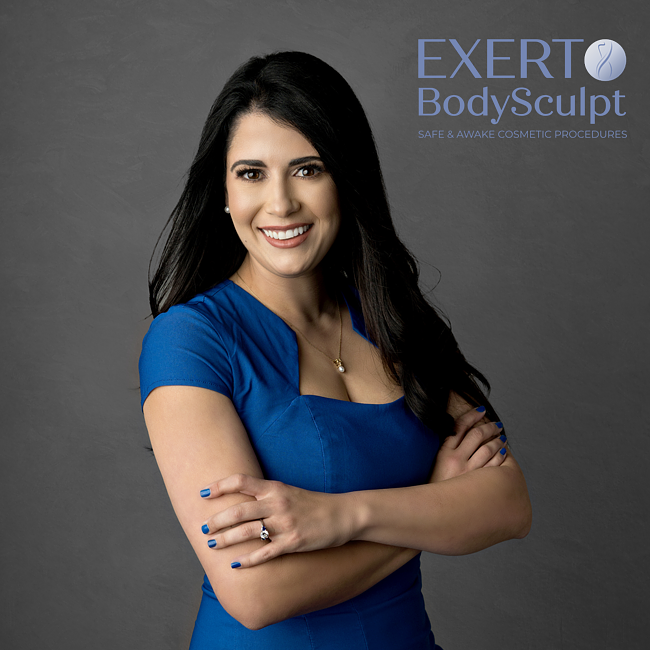
This emerging trend was recently highlighted by Exert BodySculpt, a surgical body contouring practice in Florida, which published clinical guidance on the link between GLP-1 use and a notable increase in patient consultations for the condition. The practice's medical director, Dr. Giselle Prado-Wright, identified the pattern as an underreported clinical reality with significant implications for post-weight-loss care.
"Rapid, significant weight loss does not always redistribute body fat uniformly, and the dorsal cervical fat pad is one of the areas where this becomes visually apparent," Dr. Prado-Wright stated in the announcement. "For some patients on GLP-1 medications, the buffalo hump either persists or becomes proportionally more prominent as the rest of the body slims down. Patients deserve a straightforward explanation of what is happening and what to do about it."
A New Clinical Landscape
GLP-1 receptor agonists have fundamentally altered weight management. According to an analysis by the nonprofit Fair Health, prescriptions for these drugs among overweight or obese adults saw a nearly sevenfold increase between 2019 and 2024. As their use skyrockets, clinicians are beginning to document the secondary effects of the rapid fat loss they induce.
The “buffalo hump,” clinically termed a dorsal cervical fat pad, is a localized accumulation of adipose tissue. It is distinct from a “dowager’s hump,” which involves a structural curvature of the spine. While historically associated with hormonal conditions like Cushing syndrome or certain medications, its increased visibility in GLP-1 users appears to be a matter of proportion. As fat melts away from the abdomen, limbs, and even the face—giving rise to the well-documented phenomenon of “Ozempic face”—stubborn, localized fat deposits can remain, becoming more conspicuous against a slimmer frame.
Research confirms that GLP-1s are highly effective at reducing overall subcutaneous and visceral fat, but they do not selectively target specific areas. This uneven deflation is what plastic surgeons are now frequently addressing. The soft-tissue nature of a true dorsal cervical fat pad makes it an ideal candidate for surgical removal through targeted liposuction, but accurate diagnosis by a medical professional is a critical first step to rule out underlying spinal or metabolic issues.
Reshaping the Body Contouring Market
The ripple effects of GLP-1 adoption are being felt powerfully in the aesthetic medicine industry. The global body contouring market, valued at approximately $1.46 billion in 2024, is projected to surge to $2.58 billion by 2029, according to data from MarketsandMarkets. Industry analysts attribute a significant portion of this growth directly to the new category of patients created by weight loss drugs.
This patient demographic is distinct. Unlike traditional post-bariatric surgery patients, who often require more extensive skin removal procedures, many GLP-1 users seek more targeted interventions. A study in the Aesthetic Surgery Journal found that the growth rate for aesthetic procedures among GLP-1 users was nearly 54% per year, far outpacing other patient groups. The American Society of Plastic Surgeons (ASPS) has even identified the “GLP-1 Makeover”—a personalized plan of procedures to address post-weight-loss concerns—as a top trend.
Liposuction remains a cornerstone of this trend. According to ASPS, it was the most performed cosmetic surgical procedure in the United States in 2023, with nearly 350,000 procedures, a 7% increase from the previous year. Surgeons are reporting that post-GLP-1 consultations for procedures like tummy tucks, arm lifts, and targeted liposuction for areas like the buffalo hump now represent a fast-growing segment of their practices.
"It’s a whole new category of patients," one board-certified plastic surgeon noted anonymously. "They are thrilled with the number on the scale but are often frustrated by the loose skin and stubborn fat pockets that the medication couldn't touch. They see surgery as the final step in their transformation journey."
The Patient Journey and a Call for Integrated Care
For patients, the journey can be a mix of triumph and frustration. After successfully losing 30, 50, or even 100 pounds, being left with sagging skin or a prominent hump on their back can be disheartening. This has led to a proactive search for solutions, bridging the gap between pharmaceutical weight management and aesthetic surgery.
However, the medical community advises caution and a structured approach. Experts recommend that patients achieve a stable goal weight and maintain it for at least three to six months before undergoing any body contouring procedures. This ensures that the surgical results are predictable and long-lasting. There is also an emerging discussion among surgeons about best practices for managing GLP-1 medications around the time of surgery, with some studies pointing to a potential for delayed wound healing, necessitating further research and clear preoperative protocols.
The rise of the “Ozempic hump” underscores a growing need for more holistic and integrated patient care. Experts are calling for more comprehensive counseling before patients even begin GLP-1 therapy, ensuring they are aware of the potential for uneven fat loss and other body composition changes. This involves setting realistic expectations that while the drugs are powerful tools for weight reduction, they are not a panacea for body shape.
This new reality calls for closer collaboration between the endocrinologists and primary care physicians who prescribe these medications and the plastic surgeons who help manage the aesthetic aftermath. As healthcare systems adapt, comprehensive obesity clinics that integrate pharmacology, nutrition, exercise, and, when necessary, surgical contouring are emerging as the future of total-body wellness. This ensures patients are supported not just in losing weight, but in navigating the complex physical and psychological transformation that follows.