
- 3 Countries Launched: Portugal, Spain, and Italy
- Curated Experiences: Every offering is handpicked by local experts or vetted by the team
- Mission Focus: Connecting travelers with unique, high-quality, intimate culinary experiences
Experts would likely conclude that The Golden Olive represents a strategic shift in luxury travel, emphasizing authenticity, curation, and sustainability as key differentiators in an increasingly competitive market.
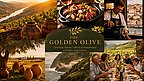
The New Luxury: How Curated Travel is Redefining the Food Experience
LISBOA, Portugal – June 09, 2026 – In a world saturated with digital noise and mass-produced itineraries, the definition of luxury travel is undergoing a quiet but profound transformation. It is no longer solely about opulent hotels or exclusive resorts, but about access—access to authenticity, to genuine human connection, and to experiences that resonate on a personal level. The launch of The Golden Olive, a new online marketplace for private food and wine experiences, is a significant signal of this shift, betting its future on the idea that the most valuable commodity for the modern traveler is a story worth telling.
Launching with a curated portfolio of experiences across Portugal, Spain, and Italy, the company enters a market hungry for more than just a reservation at a top restaurant. It aims to connect discerning travelers directly with the source of a region's culinary soul: the boutique vineyards, the family-run olive groves, and the private kitchens of local chefs. This move away from passive consumption towards immersive participation marks a pivotal moment in the evolution of gastronomic tourism.
The Age of Experiential Gastronomy
The Golden Olive is tapping directly into the growing demand for experiential travel, a sector where the 'doing' has become more important than the 'seeing'. The platform's offerings—from hands-on cooking classes in local homes to private vineyard tours with the winemakers themselves—are designed to bypass the traditional tourist trail. This model stands in stark contrast to the volume-driven approach of larger booking platforms, which often feature a dizzying array of options but lack a discernible seal of quality or exclusivity.
The venture’s value proposition is built on a foundation of intense curation. According to the company, every experience is either handpicked by local experts, vetted personally by their team, or recommended by a trusted network of insiders. This promise of a pre-vetted, high-quality selection is crucial for attracting a clientele that values its time and seeks to avoid the uncertainty of unverified online reviews. By focusing on private and intimate settings, the marketplace caters to a desire for exclusivity and personalization that has become a hallmark of contemporary high-end travel. The goal is not just to taste the wine, but to understand the terroir from the person whose family has cultivated it for generations.
This focus on depth over breadth is a strategic choice in a competitive landscape that includes everything from global giants like Airbnb Experiences to established luxury tour operators. Where larger players compete on scale, The Golden Olive is competing on trust and taste, positioning itself as a boutique gatekeeper to Europe's most authentic culinary secrets.
A Business Model Built on Connection and Trust
At the heart of this new enterprise is a clear vision articulated by its CEO and co-founder, Mariana Cardoso. "We created The Golden Olive to open Portugal's culinary doors to the world but then we thought, why stick to Portugal where there are wonderful experiences in other countries that may want to join forces with us," she stated. This ambition is rooted in a mission that extends beyond commerce. "Our mission is to connect global food lovers with the most unique, high-quality, intimate and meaningful experiences our destinations have to offer," Cardoso added.
The team behind the platform describes itself as a collective of "European explorers" and "food enthusiasts" with deep local knowledge. While specific credentials of the wider team remain understated, the emphasis is on a shared passion for uncovering hidden gems. This narrative of expertise and personal passion is central to building credibility. In an industry where 'authentic' has become an overused buzzword, the ability to demonstrate genuine insider knowledge is a powerful differentiator. The success of this model hinges on the team's ability to maintain its rigorous curation standards as it scales, ensuring that growth does not dilute the quality that defines its brand.
The Sustainable Table: A Commitment to Community
Perhaps the most forward-looking aspect of The Golden Olive's strategy is its explicit commitment to sustainability and community support. Cardoso's mission statement emphasizes "supporting local artisans, local and small producers and sustainable practices." This is more than just a nod to corporate social responsibility; it is a direct response to the rise of the conscious traveler, who increasingly considers the ethical and environmental impact of their journeys.
By providing a global platform for small, independent producers and local artisans, the marketplace creates an economic pipeline that flows directly into the local community. This model helps preserve cultural and culinary heritage by making it economically viable for small-scale operators to continue their traditional practices in the face of industrial-scale competition. For the traveler, this translates into the knowledge that their expenditure is contributing positively to the destination they are visiting, adding a layer of meaning to their experience.
The company’s pledge of "full price transparency" further reinforces this ethical stance, promising clarity in a market where hidden fees and complex packages can be common. By championing a more equitable and sustainable form of tourism, The Golden Olive is not just selling experiences; it is promoting a philosophy. The ultimate test for the venture will be its ability to prove that this symbiotic relationship between traveler, producer, and platform can create lasting value for everyone involved, truly enriching the lands and cultures at the heart of its offerings.