
- $100s of millions: Cost paid by official sponsors for access to the World Cup branding.
- 36 women removed: Number of Dutch fans ejected in 2010 for wearing orange dresses linked to an unofficial promotion.
- $100s of millions: Estimated value of unofficial marketing strategies that avoid direct World Cup branding.
Experts agree that FIFA's strict IP enforcement has paradoxically spurred innovative, culturally resonant marketing strategies that often outperform official campaigns in authenticity and engagement.
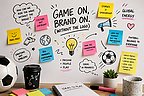
The Logo-Less Game: Marketing's New Playbook for the World Cup
LAS VEGAS, NV – June 11, 2026 – As the world’s gaze turns toward North America for the 2026 FIFA World Cup, a parallel contest is already in full swing. It’s a game played not on the pitch, but in boardrooms, creative studios, and across the digital expanse of social media. The prize isn't a golden trophy, but a share of the cultural zeitgeist. For the handful of official sponsors who have paid hundreds of millions for access, the strategy is clear. But for the thousands of other brands, a new, more intricate playbook is required—one that thrives on ingenuity precisely because it is forbidden from using the tournament's name, logos, or official marks.
This is the era of unofficial marketing, a sophisticated dance of association without infringement. Strict intellectual property enforcement by organizations like FIFA has, paradoxically, become a powerful catalyst for innovation. Faced with a legal blockade, brands are forced to move beyond simple logo-slapping and develop campaigns that are more authentic, culturally resonant, and, in many cases, more effective than their officially sanctioned counterparts.
The IP Fortress: Navigating FIFA’s Legal Gauntlet
To understand the creativity of the unofficial campaign, one must first appreciate the fortress it is designed to circumvent. FIFA’s brand protection program is one of the most aggressive in the world, a necessary measure to protect the massive investment of its official partners. The organization’s intellectual property portfolio is vast, covering not just the obvious trademarks like “World Cup” and “FIFA,” but also the tournament emblem, mascot, and even the year and host country combination. Using phrases like “World Cup 2026” without a license is a fast track to a cease and desist letter.
FIFA’s enforcement is notoriously thorough, extending to what is known as “ambush marketing”—any attempt by a non-sponsor to create a misleading association with the event. History is littered with cautionary tales. During the 2010 World Cup, Dutch brewery Bavaria faced legal action after 36 women were removed from a stadium for wearing orange dresses identified as a promotional item. This incident demonstrated the lengths to which FIFA will go to protect its sponsors and how broadly it interprets unauthorized association. Host nations often pass specific legislation to bolster these rights, giving FIFA even more legal firepower.
“The line in the sand is blurry,” notes one intellectual property lawyer specializing in sports law. While direct use of a logo is a clear violation, creating a thematic link can be a grey area. This legal ambiguity, coupled with the high financial stakes, has fundamentally altered the creative process. According to a press release from promotional products firm Everything Branded, “Legal teams now work alongside creative departments from the start, rather than reviewing at the final stage.” This integration is the bedrock of what the company calls “safe creativity.”
The Art of Ambiguity: From Visibility to Relevance
Forced to abandon the direct route, non-sponsors have pivoted their goal from maximum visibility to maximum relevance. Instead of shouting “World Cup,” they are learning to whisper about “a summer of football” or “the global game.” This constraint is fostering a new wave of marketing that is more story-driven and emotionally intelligent.
Nike has long been the master of this approach. Even when not an official sponsor, the brand’s iconic campaigns, such as 2010's “Write the Future,” have become synonymous with the tournament's cultural energy. By focusing on the athletes, the drama of the sport, and the universal dream of victory, Nike captures the spirit of the event more powerfully than many official campaigns, all without ever mentioning the words “World Cup.”
This strategy is about embedding a brand within the culture of the event, not just next to its logo. The research shows a clear trend: smaller, targeted campaigns tied to specific match days, host cities, or national sentiment are replacing generic, mass-produced efforts. The resulting merchandise and messaging create a sense of exclusivity and cultural fluency that official, globally-mandated campaigns often lack.
The Influencer Sideline: A New Channel for Engagement
While traditional advertising space around the tournament is a walled garden for official partners, the sprawling, decentralized world of social media remains a more open playing field. This is where influencers have become the new star players for non-sponsored brands. By seeding products with creators who have authentic connections to the sport and its fans, companies can generate powerful, organic-feeling content.
A high-profile athlete wearing a specific brand of headphones, or a popular creator sharing their excitement for a match while using a certain product, creates a powerful association. This content feels less like an advertisement and more like a genuine part of the fan experience. It also provides a crucial layer of separation from direct tournament references, making it a legally safer bet. Influencer marketing allows brands to tap into highly targeted niche audiences, from die-hard tactical analysts to casual fans just enjoying the spectacle, in a way that broad-based advertising cannot.
The Unofficial Market: Capturing the Spirit in Merchandise
This shift toward unofficial engagement is creating a booming market for merchandise that captures the tournament’s spirit without the official branding. This is where companies like Everything Branded operate, helping businesses create promotional items that resonate with fans while navigating the legal minefield.
Consumer demand for these products is driven by several factors. Unofficial merchandise is often more affordable and offers greater variety than the official, and often limited, product lines. Fans are looking for unique ways to express their passion and national pride, and a clever t-shirt with a culturally relevant slogan or a scarf in national colors can feel more personal than a generic, logo-heavy official product. There is also a subset of consumers who are actively resistant to the intense commercialization of modern sports and prefer to support independent creators or purchase items that feel more authentic.
Lucas Theodoulou, Sales Director for North America at Everything Branded, advises businesses to tap into this sentiment. “We encourage businesses to focus on the experience first, bringing in the fun factor and creating authentic/organic social engagement opportunities,” he says. “Ultimately connect your brand to what will be a fun summer of sport.” His advice highlights the core of the new playbook: don't try to buy an association, but earn it by genuinely adding to the fan experience. This evolution isn't just about avoiding lawsuits; it's a reflection of a broader change in marketing where authenticity and cultural resonance are becoming more valuable than the logo itself.