
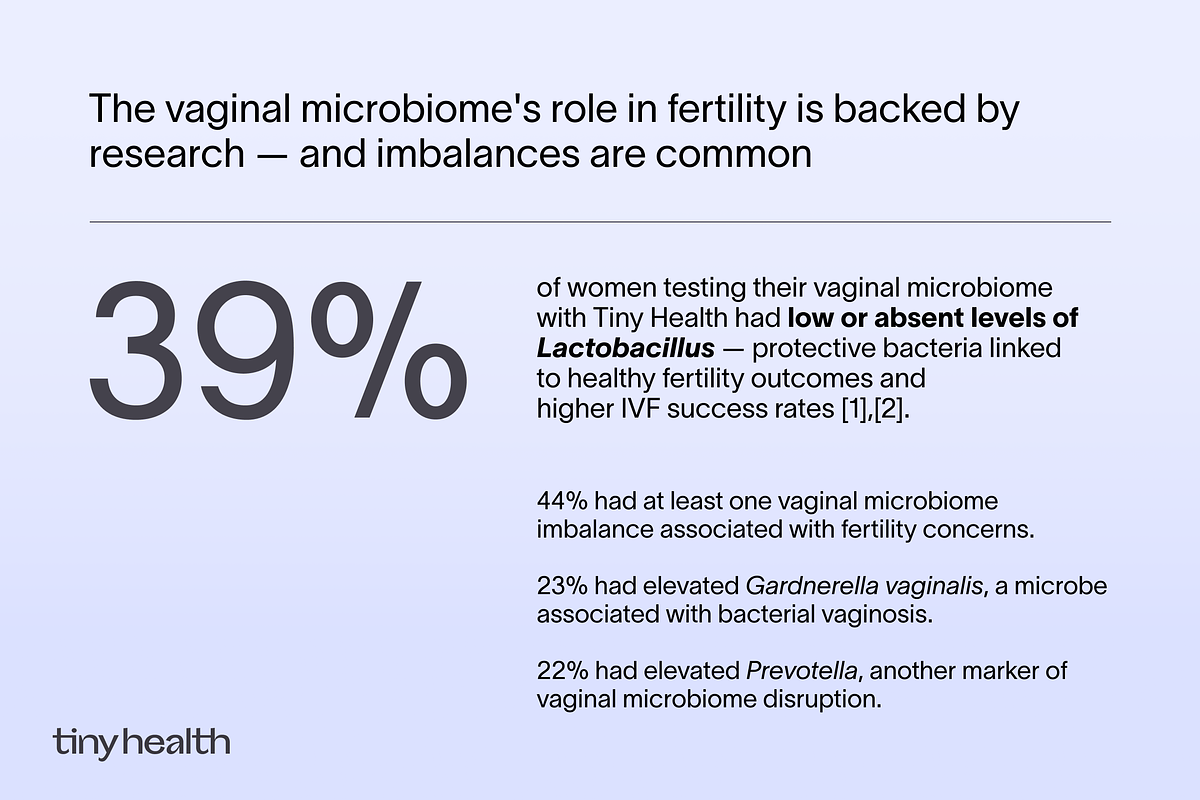
- 4 in 10 women had low or absent levels of Lactobacillus
- Nearly half of women tested showed at least one microbial imbalance linked to fertility challenges
- 23% of samples had elevated Gardnerella vaginalis and 22% had elevated Prevotella
Experts view the vaginal microbiome as a significant, potentially modifiable factor in fertility, though they caution that the science is still evolving and not yet a standard of care.
The Hidden Fertility Factor: Is Your Microbiome Key to Conception?
AUSTIN, Texas – April 16, 2026 – For the roughly 1 in 5 women of reproductive age in the United States facing infertility, the path to parenthood can be a complex and often frustrating journey. While factors like age, hormones, and genetics are well-established parts of the fertility conversation, new data suggests a critical, often-overlooked player: the vast, invisible ecosystem of microbes living in the vaginal tract.
In an announcement timed for National Infertility Awareness Week, microbiome wellness company Tiny Health revealed a striking finding from its user data: nearly 4 in 10 women had low or absent levels of Lactobacillus, a type of bacteria considered crucial for reproductive health. Furthermore, the analysis found that nearly half of the women tested showed at least one microbial imbalance that published research has associated with fertility challenges. This new information shines a spotlight on the vaginal microbiome as a significant, and potentially modifiable, factor in the quest for conception.
An Invisible Ecosystem's Decisive Role
While many are familiar with the gut microbiome, the vaginal microbiome is a distinct community of microorganisms that plays a pivotal role in reproductive health. A healthy, optimal vaginal environment is typically dominated by Lactobacillus species. These beneficial bacteria produce lactic acid, creating an acidic environment (with a pH around 4.5) that acts as a natural defense, inhibiting the growth of harmful pathogens and supporting the delicate balance needed for conception.
When Lactobacillus levels drop, a state known as dysbiosis can occur, allowing other, less-friendly microbes to flourish. Tiny Health's analysis found that 23% of samples showed elevated levels of Gardnerella vaginalis and 22% had elevated Prevotella—both microbes strongly associated with bacterial vaginosis (BV). A growing body of scientific literature links this type of imbalance to poorer reproductive outcomes. Studies have shown that dysbiosis can create an inflammatory environment that may interfere with sperm viability, hinder embryo implantation, and reduce the success rates of assisted reproductive technologies like in-vitro fertilization (IVF).
Adding another layer of complexity is the 'gut-vaginal axis,' a concept describing the communication network between the gut and reproductive tract. Gut microbes influence the body's estrogen levels and can contribute to systemic inflammation, both of which have profound effects on the conditions where eggs develop and the uterine lining prepares for pregnancy. This connection underscores that reproductive health is part of a whole-body system.
The Rise of At-Home Health Intelligence
The revelations from Tiny Health are part of a broader movement in healthcare toward personalized data and direct-to-consumer (DTC) testing. By using advanced sequencing technology, companies are empowering individuals with detailed information about their own biology. Tiny Health utilizes shotgun metagenomics, considered a gold standard in microbiome analysis, which sequences all the DNA in a sample to provide a highly detailed, strain-level view of the entire microbial community—including bacteria, fungi, and viruses.
This technology provides users with a comprehensive report, and Tiny Health's platform now includes fertility-specific associations, flagging patterns linked in scientific literature to reproductive challenges. The company is part of an emerging market focused on women's reproductive health. Competitors like Evvy and Juno Bio also offer at-home vaginal microbiome tests using similar high-resolution sequencing, providing insights into microbial composition and its link to fertility, BV, and other conditions. The shared goal is to close the gender health gap by providing women with accessible data about their bodies.
"For the millions of people trying to conceive, every piece of information matters,” said Cheryl Sew Hoy, Founder and CEO of Tiny Health, in the company's press release. “The microbiome has been an invisible variable for too long, and we believe that understanding it opens doors."
From Data to Action: A Modifiable Factor
Perhaps the most compelling aspect of microbiome science for those on a fertility journey is the concept of modification. Unlike fixed genetic predispositions, the microbiome is dynamic and can be influenced by diet and lifestyle, offering a tangible sense of agency.
Tiny Health’s report, like those of its competitors, provides actionable next steps based on individual results. These evidence-based recommendations often focus on three key areas:
- Diet: A diet rich in fiber from vegetables, legumes, and whole grains can nourish beneficial gut bacteria, which in turn supports the gut-vaginal axis. Fermented foods like yogurt and kefir, which contain live probiotic cultures, may also contribute to a healthier microbial balance. Conversely, limiting ultra-processed foods and added sugars can help reduce systemic inflammation.
- Probiotics: Both oral and vaginal probiotics containing specific Lactobacillus strains, particularly L. crispatus, are being studied for their ability to restore a protective vaginal microbiome. While evidence for a direct impact on conceiving is still developing, a Lactobacillus-deficient microbiome is consistently associated with poorer fertility outcomes.
- Lifestyle: Foundational health practices like regular physical activity, consistent sleep, and stress management play a crucial role in hormonal balance and immune function, which directly influence the reproductive environment. Experts also universally advise against douching and using fragranced intimate products, which can disrupt the natural microbial ecosystem.
A New Frontier with Cautious Optimism
While the prospect of optimizing the microbiome is exciting, independent experts advise a degree of cautious optimism. The science is rapidly evolving, and while associations between microbial patterns and fertility outcomes are strong, researchers are still working to definitively prove causation and establish standardized clinical protocols.
"Microbiome assessment is currently an emerging research tool rather than a proven predictor," noted one reproductive endocrinologist not involved with the company, reflecting a common sentiment in the clinical community. While some fertility specialists are beginning to incorporate microbiome assessments into their practice, it is not yet a standard of care.
For patients, this new frontier presents both hope and challenges. The ability to gain deep insights into their health and take proactive steps is deeply empowering. However, it can also create anxiety over data interpretation and how to effectively integrate these findings with care from their primary fertility doctor. The key, many believe, is using this information not as a standalone diagnosis but as a powerful tool to enrich the patient-doctor conversation.
As at-home testing becomes more sophisticated and accessible, it is fundamentally changing the dynamic of personal health management. By providing a new layer of data, these tools are helping to build a more holistic picture of fertility, empowering individuals to become more active participants in a journey that has long felt like a mystery.