
- 1,235 pounds of flour used in The Broadmoor's 2025 display
- 2,300 pounds weight of Skytop Lodge's gingerbread replica
- $30,000 raised for charity by Mohonk Mountain House's Gingerbread Pass in 2024
Experts agree that these elaborate gingerbread displays are strategic investments that drive revenue, enhance brand differentiation, and strengthen community ties for historic hotels.
The Gingerbread Gambit: Historic Hotels' Sweet Strategic Investment
WASHINGTON, D.C. – December 10, 2025 – As the holiday season reaches its zenith, Historic Hotels of America has unveiled its much-anticipated “Top 25 Most Magnificent Gingerbread Displays” for 2025. While the list celebrates spectacular feats of culinary artistry, a deeper analysis reveals a shrewd strategic maneuver by some of the nation’s most venerable hospitality institutions. These are not merely festive decorations; they are significant capital investments in brand differentiation, experiential marketing, and direct revenue generation. In an age where market share is won through memorable experiences, these historic hotels are proving that the path to profitability can be paved with gingerbread, royal icing, and a ton of strategic foresight.
The Economics of Edible Architecture
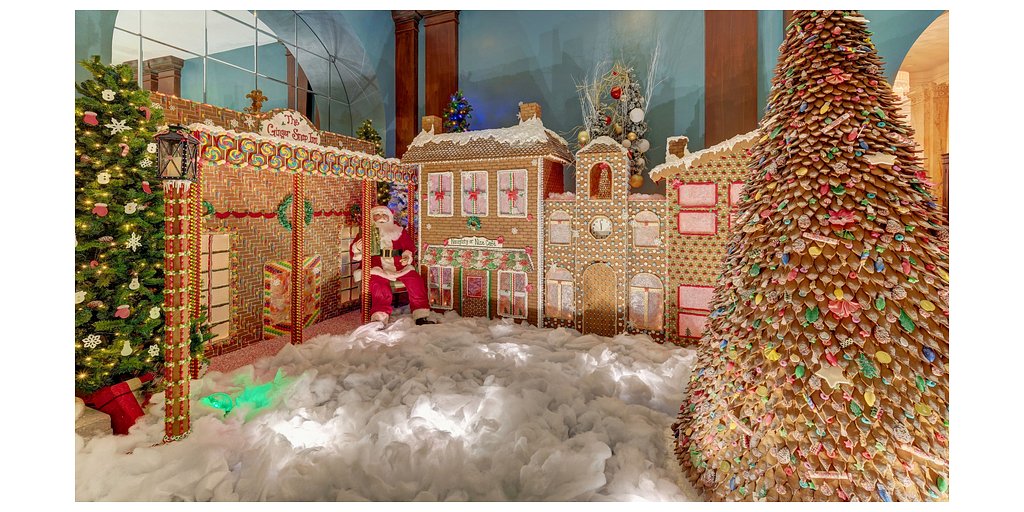
The sheer scale of these projects represents a substantial operational investment. Forget quaint tabletop cottages; these are architectural undertakings. The Broadmoor in Colorado Springs, for example, constructed its 2025 display—a tribute to the upcoming Winter Olympics featuring Santa on a bobsled—using 1,235 pounds of flour, 833 pounds of powdered sugar, and over 800 pounds of chocolate. At Skytop Lodge in Pennsylvania, the gingerbread replica of its Main Lodge weighs a staggering 2,300 pounds. These material costs are dwarfed by the investment in human capital. A team of nine at The Jefferson Hotel in Richmond began work in early November, while pastry experts at Williamsburg Lodge dedicated over 300 collective hours to their Santa's Workshop scene.
This allocation of resources is far from frivolous. It is a calculated move to capture a larger share of the lucrative holiday travel market. The return on investment manifests in several ways. First, these displays act as powerful tourism magnets, driving foot traffic not only from overnight guests but also from local communities and regional visitors. Hotels like the Hilton Chicago explicitly invite the public to use their city-themed gingerbread skyline as a photo backdrop, transforming their lobby into a public destination.
More directly, these attractions are being monetized. Fairmont San Francisco has created an exclusive revenue stream by offering private dining for up to 10 guests inside its two-story, 22-foot-tall gingerbread house. Mohonk Mountain House in New Paltz, New York, offers a “Gingerbread Pass” for non-guests, with the $15 fee being fully donated to The Hudson Valley Food Bank—a move that generated over $30,000 for charity last year while simultaneously controlling access and enhancing community goodwill. These initiatives convert a marketing expense into a revenue-positive or charitable-giving opportunity, demonstrating a sophisticated understanding of modern consumer values.
Building Brand Equity, One Gumdrop at a Time
For historic hotels, their legacy is their most valuable asset. These gingerbread displays are a powerful medium for storytelling, tangibly connecting guests to the hotel’s unique history. Rather than simply replicating a generic holiday scene, many hotels craft displays that are deeply personal to their brand identity. Moana Surfrider in Honolulu, the “First Lady of Waikiki,” built a replica of its Historic Banyan Wing to celebrate its upcoming 125th anniversary. La Fonda on the Plaza in Santa Fe continues a decades-long tradition, creating an adobe-style replica that pays homage to the key figures who shaped its iconic Southwestern identity, from Fred Harvey to Mary Elizabeth Jane Colter.
This act of building a replica of oneself in gingerbread is a masterful stroke of branding. It reinforces the hotel’s architectural significance and sense of place, transforming the lobby into a living museum exhibit. In a hyper-competitive market, this deepens guest affinity and creates a powerful differentiator that newer, less storied competitors cannot replicate. Furthermore, the visual splendor of these creations makes them viral-ready content for social media. Every guest photo shared on Instagram or TikTok becomes a third-party endorsement, generating enormous organic marketing reach at a fraction of the cost of a traditional advertising campaign. The investment in thousands of pounds of sugar and spice yields a priceless return in digital word-of-mouth.
Innovation and Community as Strategic Pillars
Beyond internal branding, the most forward-thinking hotels leverage their gingerbread traditions to build strategic external relationships and position themselves as community leaders. The Omni Grove Park Inn in Asheville has cultivated its National Gingerbread House Competition for over three decades, turning a local event into one of the nation’s most prestigious culinary contests. This positions the hotel not just as a participant in a holiday trend, but as the undisputed industry authority, drawing national media attention and cementing its status as a premier holiday destination.
Collaboration has emerged as another key strategy. In Anchorage, the Hotel Captain Cook has partnered with culinary students from the University of Alaska, turning its 47-year-old tradition into a mentorship program. This move fosters local talent, builds goodwill with a major state institution, and ensures the tradition’s longevity by passing skills to the next generation. Similarly, The Otesaga Hotel in Cooperstown, New York, built a gingerbread village depicting local landmarks, a direct appeal to community pride that strengthens its local customer base.
Sustainability and innovation are also becoming part of the narrative. The Broadmoor’s inclusion of motorized elements in its Olympic-themed display and the animated elves at the JW Marriott Savannah Plant Riverside District show a commitment to evolving the craft. Perhaps most notably, the Omni Bedford Springs Resort has a unique post-holiday plan for its life-size creation: once dismantled, the gingerbread and icing are fed to the resort’s honeybees. This creates a closed-loop system, resulting in a naturally ginger-infused honey for the following year—a brilliant move that combines sustainability, brand storytelling, and product development.
Ultimately, the Historic Hotels of America’s list is more than a festive ranking; it is a showcase of astute business strategy. These institutions demonstrate that tradition is not a static anchor but a dynamic platform for growth. By investing heavily in these elaborate, edible experiences, they drive revenue, fortify their brands, and weave themselves into the fabric of their communities, ensuring their historic halls remain vibrant and profitable for many holiday seasons to come.