
- First-of-a-kind launch: Dynacare introduces at-home, self-collect hormone test kits in Ontario.
- Market competition: Competing services include LifeLabs' MyVisit™ and Science&Humans' blood collection solution.
- Regulatory framework: Tests operate under Health Canada's laboratory-developed tests (LDTs) category.
Experts view Dynacare’s at-home hormone test kits as a strategic response to consumer demand for health autonomy, though they caution about potential misinterpretation of results without clinical context.
The Diagnostic Shift: Dynacare's Bet on At-Home Health Autonomy
BRAMPTON, ON – June 23, 2026 – Dynacare, a stalwart of Canadian diagnostic services, today stepped firmly into the future of consumer health, launching at-home, self-collect hormone test kits. The move signals a calculated pivot in a healthcare landscape increasingly shaped by consumer demand for convenience, privacy, and control. Initially available in Ontario, the kits for women’s fertility and men’s testosterone promise to put clinical-grade data directly into the hands of individuals, bypassing the traditional gatekeepers of the clinic and the lab. But behind the strategic appeal of empowerment lies a complex web of market competition, regulatory nuance, and critical questions about the line between actionable insight and medical anxiety.
A New Frontier of Patient Access
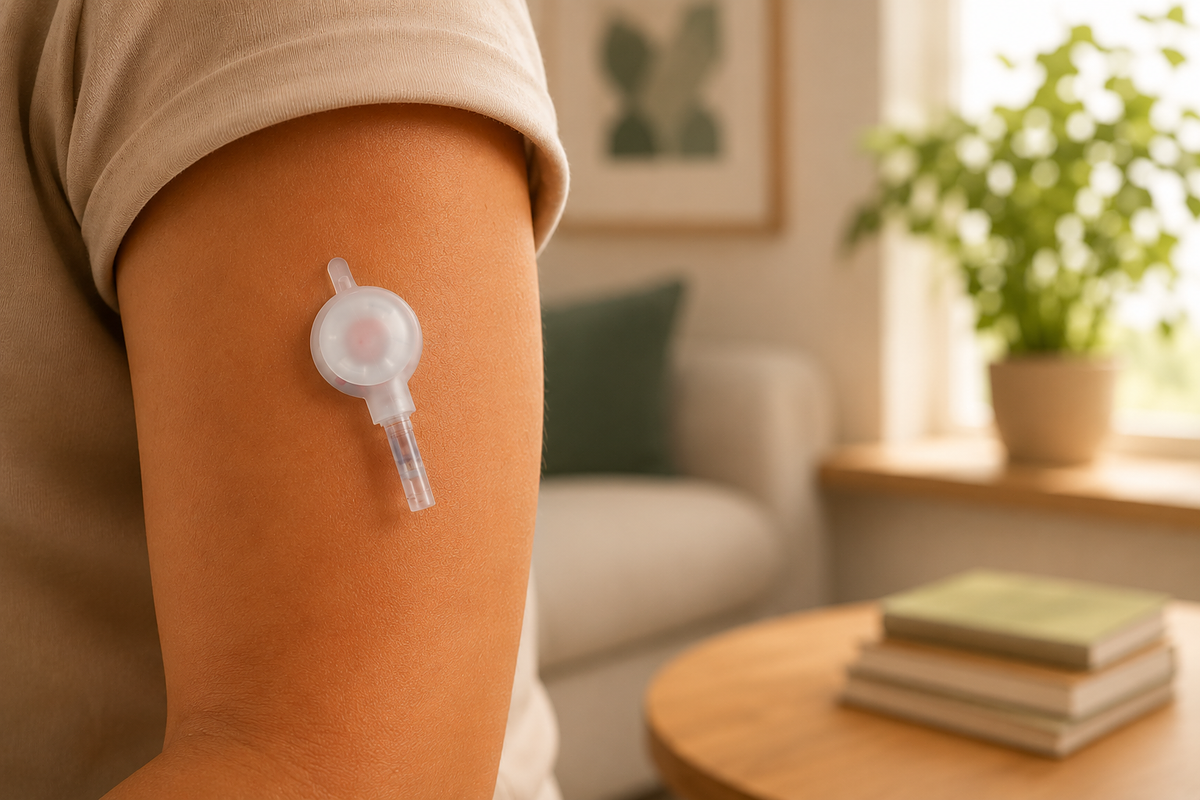
At its core, Dynacare’s strategy is a direct response to a fundamental shift in how people want to engage with their health. The new Dynacare Insight kits are designed for a world where waiting for appointments and lab visits feels increasingly anachronistic. The process, managed through the company’s Dynacare Plus digital platform, is built for seamlessness: order a kit online, follow instructional videos to perform a simple arm prick with a specialized device, schedule a courier pickup, and receive results securely on your phone.
“Our new, first-of-a-kind Dynacare Insight testing kits reflect our commitment to putting Ontarians at the centre of their own care,” said Vito Ciciretto, CEO of Dynacare, in the company's official announcement. This language of empowerment is central to the product’s value proposition. For women navigating the often opaque and emotional journey of family planning, the ability to privately track key fertility hormones like AMH, FSH, and Estradiol offers a new layer of information. For men experiencing changes in energy or wellness, a discreet testosterone level check can be a crucial first step. The strategic rationale is clear: by removing friction and stigma, Dynacare is unlocking a market of proactive—or simply curious—individuals who may not have otherwise engaged with the healthcare system for these specific concerns.
A Race to 'First' in a Burgeoning Market
Dynacare has branded its launch as a Canadian first, but the claim rests on a very specific set of qualifiers: “whole blood, at-home, self-collect test kits… processed in a Canadian laboratory.” A closer look at the competitive landscape reveals a market in a state of rapid, simultaneous innovation. Just last week, competitor Science&Humans announced its own at-home blood collection solution for hormone markers. While Dynacare’s established logistics and brand recognition provide a formidable advantage, it is entering a field, not creating one from scratch.
Other players are already carving out niches. Industry giant LifeLabs offers at-home stress and sleep hormone tests using saliva, and its MyVisit™ service brings a professional to your home for blood draws—a model that prioritizes professional collection over user self-collection. Meanwhile, newer companies like Bird&Be offer finger-prick tests for ovarian reserve, and 49Care launched a Health Canada-approved urine-based menopause test last year. The common thread is the decentralization of diagnostics. The strategic leverage no longer belongs solely to the entity with the most physical labs, but to the one that can build the most trusted and user-friendly bridge between the patient’s home and clinical analysis.
Navigating the Regulatory Landscape
The rapid emergence of these direct-to-consumer tests operates in a nuanced regulatory environment. While Health Canada must license medical devices like collection kits and approve the assays used for analysis, the services themselves often fall under the category of “laboratory-developed tests” (LDTs). These LDTs are developed and performed within a single accredited laboratory and are primarily regulated at the provincial level. By processing all samples in its own Canadian labs, Dynacare is operating within this established framework, which has allowed for innovation while ensuring lab quality standards are met.
This pathway has been widened by a significant shift in regulatory posture, largely accelerated by the COVID-19 pandemic. Once cautious about the reliability of at-home testing, Health Canada’s authorization of self-administered COVID tests demonstrated a new openness to empowering consumers. This has created a tailwind for companies like Dynacare, allowing them to build services that would have faced significant regulatory hurdles just a few years ago. The strategy, therefore, is not just about technology but also about navigating this evolving regulatory space to bring new service models to market.
Data Without a Doctor: Action or Anxiety?
For all their promise, the proliferation of at-home diagnostics brings a critical question to the forefront: what happens when you give people data without clinical context? Medical experts are cautiously optimistic but raise significant concerns. “A single hormone level is a snapshot in a constantly changing movie,” noted one Toronto-based endocrinologist, speaking on condition of anonymity. “Hormones fluctuate based on time of day, stress, and, for women, throughout the menstrual cycle. A single number without a clinician’s interpretation can easily create more anxiety than clarity.”
Therein lies the fundamental tension. The risk is that consumers may misinterpret a result that is within a normal statistical range but is concerning to them, or, conversely, be falsely reassured by a “normal” result when their symptoms warrant a deeper investigation. Dynacare appears keenly aware of this tightrope walk. Its platform provides explanations alongside results and explicitly states that the tests are not a medical diagnosis, strongly advising users to discuss their results with a healthcare provider. A provider even signs the initial requisition based on a screening questionnaire. This positions the service as a conversation starter—a tool to arm patients for a more informed discussion with their doctor. The success of this model will ultimately depend on whether it successfully bridges the gap to professional care or inadvertently creates a new chasm of unguided self-diagnosis.