
- Population Surge: Midlothian's population has grown nearly 40% since 2020.
- Clinic Expansion: MY DR NOW operates 80 clinics across Arizona and Texas, backed by $60M in private equity investment.
- Access Model: New clinic offers extended hours (12 hrs weekdays, 8 hrs weekends) with walk-in/same-day appointments.
Experts would likely conclude that MY DR NOW's hybrid model addresses critical healthcare access gaps in fast-growing communities, though its long-term success hinges on balancing convenience with consistent patient care.
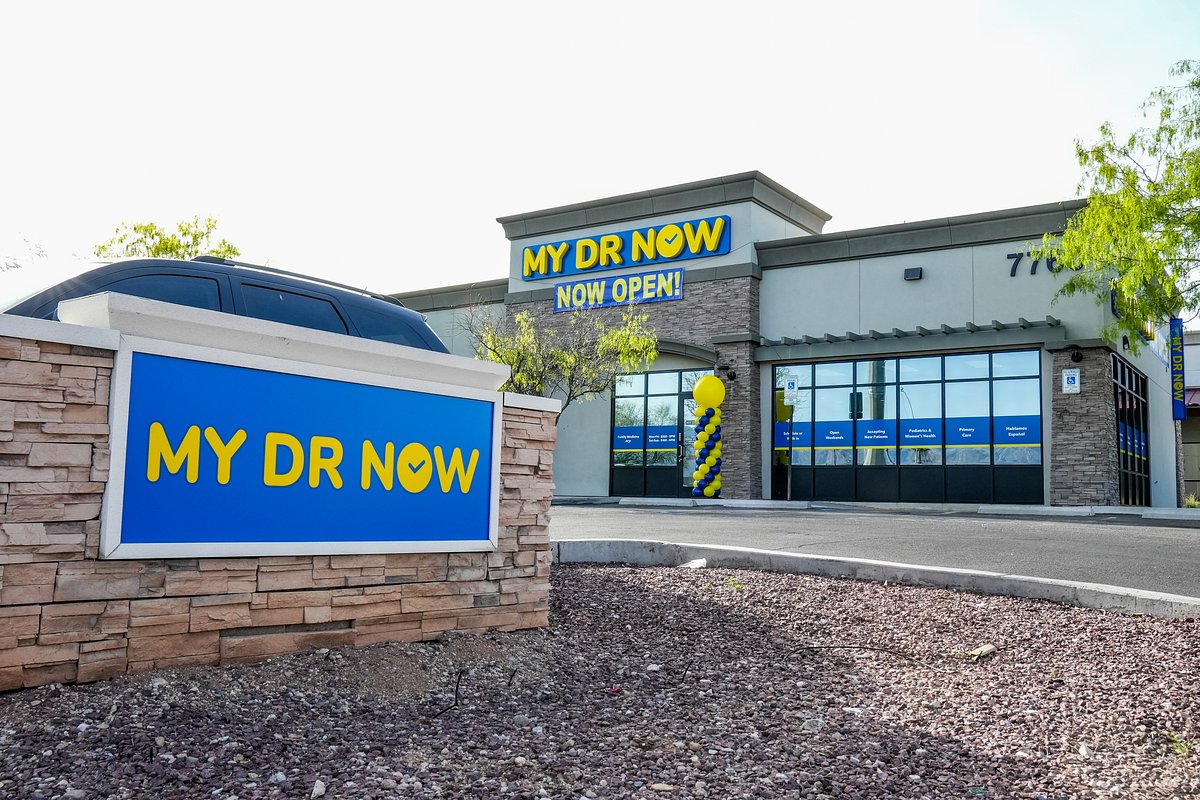
The Clinic Comes to the Boomtown: Can a New Model Cure Healthcare Gaps?
MIDLOTHIAN, TX – July 27, 2026
On the sprawling edge of the Dallas-Fort Worth metroplex, the story of modern America is being written in concrete and framework. Here in Midlothian, a city swelling with new families, the population has surged nearly 40% since 2020. This is the picture of opportunity, but beneath the surface of this rapid growth lies a familiar strain on the systems that allow a community to thrive. Chief among them is healthcare.
When a town’s population is projected to double every decade, the race is on to build not just homes and schools, but also the essential services that turn a collection of new developments into a healthy community. Too often, the supply of primary care physicians lags desperately behind, leaving new residents with a stark choice: month-long waits for a new patient appointment or a costly, impersonal trip to the emergency room for a child’s fever or a routine check-up.
Into this gap steps MY DR NOW, a healthcare company opening its newest clinic here on August 5. The announcement of a new clinic is typically a local affair. Yet, the model it represents—and the specific problem it aims to solve—points to a fundamental shift in how we think about access to basic medical services in the nation's fastest-growing corridors.
A System Under Pressure
Midlothian is a microcosm of the pressures facing suburban boomtowns across the country. With a population nearing 49,000, it's a young, family-centric community where more than half of households are raising children. This demographic creates a constant, high-demand for pediatric care, school physicals, and the kind of preventive medicine that forms the bedrock of public health.
Traditionally, this need is met by a network of established family doctors. Midlothian has respected providers, including clinics affiliated with major health systems like Baylor Scott & White and Methodist. However, the traditional model—built on scheduled appointments during standard business hours—was not designed for the velocity of modern suburban expansion. The result is a healthcare access deficit. New families arrive to find that many established practices have closed their books to new patients, or that the first available wellness check is months away.
This deficit forces a reliance on urgent care centers or hospital emergency departments for issues that are neither urgent nor emergent. While these facilities are vital, they are not designed to be a “medical home.” They offer episodic, transactional care, not the long-term, relationship-based oversight needed to manage chronic conditions, track a child’s development, or foster a holistic view of a family's health. This isn't just inconvenient; it's a systemic failure that leads to fragmented care, poorer health outcomes, and higher costs for everyone.
A New Prescription for Primary Care
MY DR NOW arrives in Midlothian not merely as another clinic, but as a direct challenge to this outdated paradigm. The company’s model is a hybrid, borrowing the accessibility of an urgent care clinic and fusing it with the comprehensive scope of a primary care practice. The new facility will be open 12 hours a day on weekdays (8 a.m. to 8 p.m.) and eight hours a day on weekends, operating on a walk-in or same-day appointment basis.
The approach is intentionally built around the lives of its target patients. It acknowledges that a child’s ear infection doesn't respect a 9-to-5 schedule and that a new resident can’t wait three months to establish care. By offering in-person visits, telehealth appointments, and even house calls, the model aims to embed itself into the daily fabric of the community. As founder and CEO Dr. Payam Zamani stated, the goal is to make seeing a doctor “as routine as anything else in your day.”
“Midlothian is one of the fastest-growing communities in North Texas, and the families moving here deserve primary care that's ready and waiting for them, not a months-long search for a doctor who's still taking new patients,” Zamani said in the company’s announcement. “Walk in when something comes up, schedule when it's convenient, and count on the same team over time.”
This model also confronts the issue of affordability head-on. While the clinic accepts most major insurance, it offers a membership plan for the uninsured at $39 per month plus a $10 co-pay per visit. This creates a predictable, low-cost pathway to consistent care for those who often fall through the cracks of the traditional insurance system, turning the clinic into a crucial piece of the social safety net.
The Business of Access
The Midlothian clinic is not an isolated experiment. It is a single node in a rapidly expanding network, part of a deliberate and well-funded strategy. Founded in Phoenix in 2007, MY DR NOW has grown to 80 clinics across Arizona and Texas, driven by a vision to become the country's largest independently owned primary care group. This expansion is fueled by significant private equity investment, including a total of $60 million from Kain Capital, a firm specializing in healthcare services.
The company’s playbook is clear: identify high-growth, underserved markets where the primary care infrastructure is buckling under population pressure, and deploy its replicable, consumer-focused model. Midlothian is a perfect fit, as are other Texas locations where the company is simultaneously opening clinics, including Waxahachie, Mansfield, and Aubrey.
This strategy represents a new phase in the corporatization of healthcare, but one that reframes the product being sold. Instead of simply selling medical procedures, MY DR NOW is selling access, convenience, and reliability. It is betting that in a world of on-demand everything, patients will gravitate toward a healthcare provider that respects their time and adapts to their lifestyle. By building a system that bridges the gap between the slow, relationship-based model of old and the fast, impersonal nature of urgent care, the company is creating a powerful market niche.
Its success demonstrates that a sustainable business can be built not by avoiding underserved populations, but by specifically designing systems to meet their needs. The challenge, as the company scales, will be to maintain the promise of a consistent, relationship-based “medical home” while operating a high-volume, walk-in model. For the families of Midlothian, the immediate benefit is clear: a doctor is now open.