
- 33% of U.S. college students are now over 25, a figure steadily climbing (National Center for Education Statistics).
- 63% of adult undergraduates studied fully online in 2023, projected to reach 75% by 2030.
- 65% of job skills may change by 2030 due to AI and automation (World Economic Forum).
Experts agree that mid-career professionals are increasingly turning to education as a strategic response to rapid technological and economic disruption, emphasizing lifelong learning as essential for career longevity and adaptability.
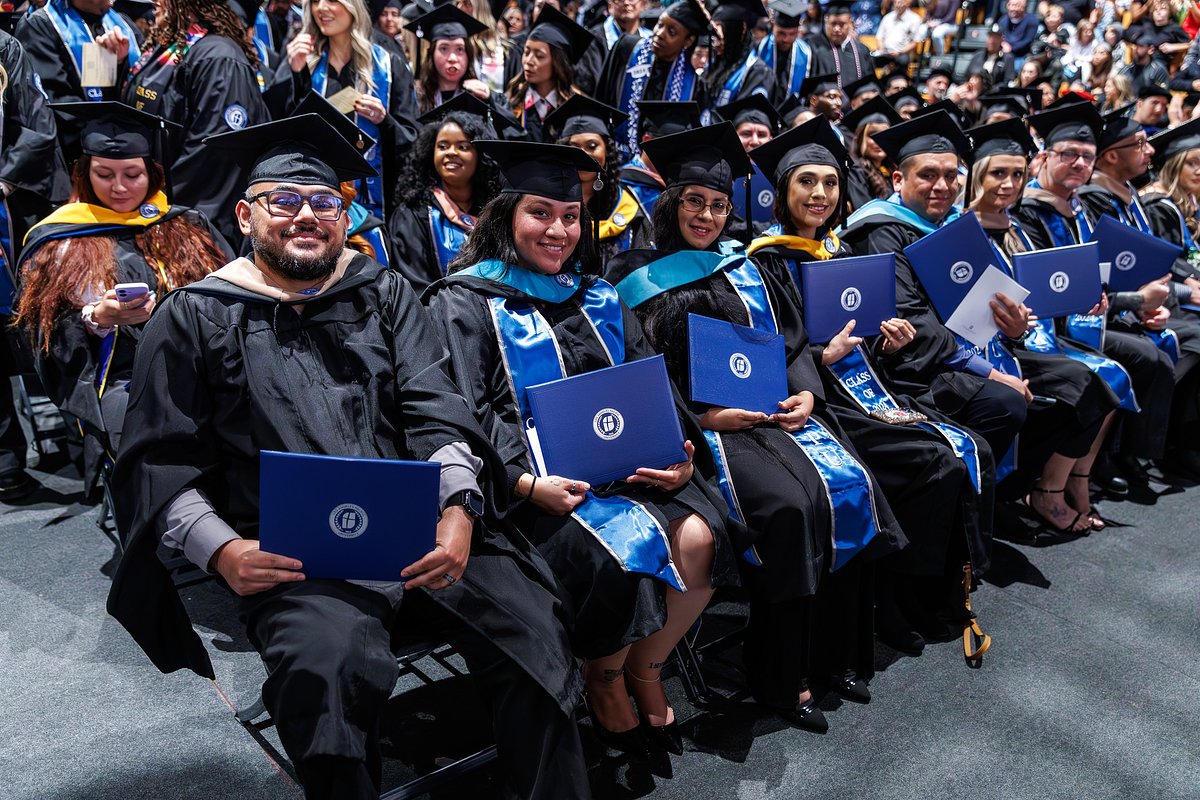
The Beyoncé Effect: Why Mid-Career Pros Are Hitting the Books Again
GLENDORA, CA – March 10, 2026 – For physician and surgeon Dr. Gloria Wu, the COVID-19 pandemic was more than a public health crisis; it was a career crossroads. As lockdowns reshaped healthcare, her practice saw patient numbers plummet by nearly 80 percent almost overnight. Faced with unprecedented disruption, she didn't wait for things to return to normal. Instead, she asked a new question: What would the next decade of her career look like?
Her answer was transformative. "I wanted to 'Beyoncé' my career," Wu said, referencing the iconic artist known for her constant evolution. "Success is however you define it. For me, success meant preparing for what comes next." For Wu, that preparation involved enrolling in the MBA program at Los Angeles Pacific University, a decision that places her at the heart of a major workforce trend: the rise of the mid-career student.
A National Shift Toward Lifelong Learning
Dr. Wu is far from an anomaly. A growing wave of established professionals are returning to the classroom, driven by a desire to adapt, lead, and thrive in rapidly changing industries. According to the National Center for Education Statistics, adult learners over the age of 25 now represent nearly one-third of all college students in the United States, a figure that has been steadily climbing. Research from Fall 2023 shows approximately 3.9 million students in this demographic enrolled in undergraduate programs alone.
This isn't about starting over. "We're seeing more professionals return to school not because they want to start over, but because they want to evolve in their careers," explained Andrew Shean, Chief Academic Officer at Los Angeles Pacific University. The data supports this, showing that nearly 70% of adult learners are employed while they study, balancing jobs, families, and now, coursework.
The shift is profoundly digital. The share of adult undergraduates studying fully online skyrocketed from 46% in 2019 to 63% in 2023, with projections suggesting it could reach 75% by 2030. This migration to online platforms reflects a demand for academic programs built around the realities of a working professional's life.
The Forces of Disruption: AI and the Evolving Workplace
The impetus for this educational migration is a powerful combination of technological acceleration and economic volatility. The World Economic Forum projects that by 2025, half of all employees will need reskilling, a staggering figure driven largely by the integration of artificial intelligence and automation into the workplace. The very nature of work is changing underfoot, with one analysis suggesting that the required skills for an average job have already shifted by 25% since 2015 and are expected to change by as much as 65% by 2030.
This isn't a future problem; it's a present-day reality. Employers now rank AI literacy as a top desired skillset, and workers who gain expertise in the field can see significant salary increases. Yet, a gap remains, with close to 40% of employees expressing concern that their current skills will soon become obsolete. This anxiety is a powerful motivator, pushing professionals to proactively seek the knowledge needed to remain relevant. The goal is no longer to land a job for life, but to build a foundation of skills for a lifetime of jobs.
This continuous need for upskilling is recognized in the boardroom. A recent Deloitte report on human capital trends highlights how business leaders are moving away from rigid functional silos toward more fluid models where continuous learning is embedded in the workflow. For many companies, investing in employee education is no longer just a benefit but a core business strategy for retention, innovation, and maintaining a competitive edge.
The Rise of the Flexible University
In response to this demand, higher education is undergoing its own reinvention. Institutions are increasingly offering flexible, 100% online programs specifically designed for nontraditional learners. Los Angeles Pacific University, a nonprofit, Christian university, is one of many institutions that have built their model around serving this demographic through asynchronous coursework that allows students to learn on their own schedule.
This flexibility was crucial for Dr. Wu. Her path has always been one of adaptation. Born in Cuba, she learned Chinese, Spanish, and then English, becoming a naturalized U.S. citizen at 12. This multicultural, multilingual background fostered a deep-seated resilience that she brought to her medical career and, eventually, her return to academia.
The MBA program provided her with a new language—that of business, systems, and technology. While still a student, she stepped into executive roles at healthcare startups, serving as a Chief Medical Officer and later a Chief Operating Officer. "I learned so much about data and innovation in healthcare," Wu noted. "It gave me a broader understanding of what medicine in the 21st century can become." She was able to immediately apply classroom theory to real-world challenges in health data, artificial intelligence, and digital healthcare systems, a synergy that is a hallmark of effective adult education.
An Investment in Your Brain and Your Future
For many returning students, the benefits of education extend beyond a new credential or a promotion. Dr. Wu connects her decision to the science of brain plasticity—the brain's remarkable ability to forge new neural connections throughout life. "Education helps your brain grow," she said. "It's like Miracle-Gro for your mind."
This perspective reframes lifelong learning as a strategic investment in personal and professional longevity. It’s a proactive measure against skill obsolescence and a commitment to personal growth. While juggling her MBA studies, Wu also served as president of a medical society representing nearly 4,900 physicians, demonstrating that continuing education can amplify, rather than detract from, professional impact.
Her journey from a disrupted medical practice to a new frontier of healthcare leadership embodies the spirit of this educational movement. It is a story of turning disruption into an opportunity for reinvention. As industries continue to be reshaped by forces beyond any individual's control, the power to learn, adapt, and evolve remains a deeply personal choice.
Dr. Wu's advice for other professionals standing at a similar crossroads is both simple and profound. "The world will often tell you no," she said. "Focus on yes."