
- 165,000 homes purchased by HomeVestors since its founding in 1996
- 90% drop in iBuyer purchases during Q2 2020, while HomeVestors continued operations
- $100,000–$450,000 initial franchise investment required for HomeVestors franchisees
Experts would likely conclude that HomeVestors' resilience stems from its niche focus on distressed properties, decentralized franchise model, and ability to adapt to economic downturns, making it a durable force in the real estate industry.
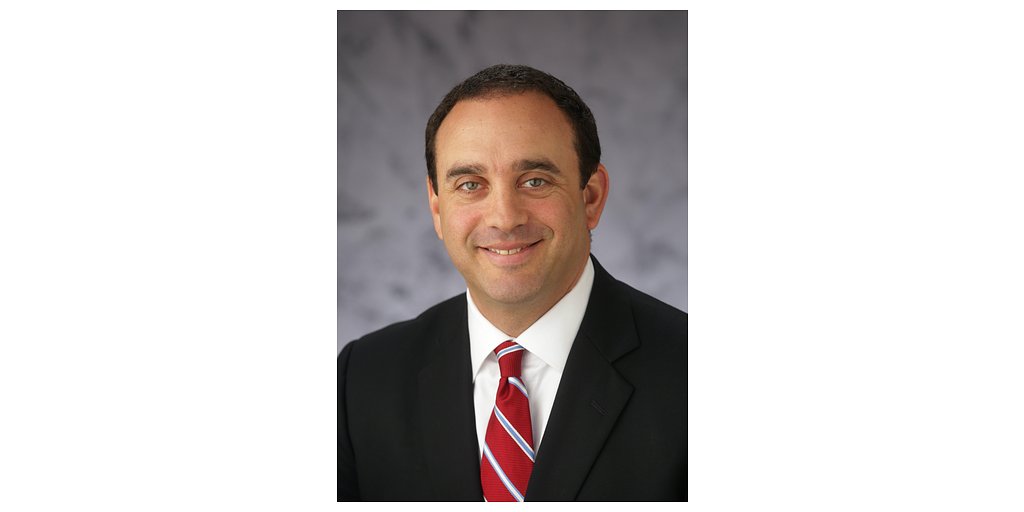
The 30-Year Flip: How 'Ugly Houses' Built a Resilient Real Estate Empire
DALLAS, TX – May 27, 2026 – For three decades, the ubiquitous "We Buy Ugly Houses®" signs have been a fixture of American landscapes, a beacon for homeowners in distress and a symbol of a business that has quietly revolutionized an industry. This year, HomeVestors of America, Inc., the company behind the memorable slogan, is celebrating its 30th anniversary, a significant milestone in the volatile world of real estate.
Founded in 1996, long before house-flipping became primetime television entertainment, HomeVestors helped professionalize a fragmented industry of real estate investors. With over 165,000 homes purchased and a network of more than 900 franchisees across 47 states, the company has not only survived but thrived, building a business model designed to withstand the market's most turbulent storms.
Weathering the Economic Storms
HomeVestors' longevity is perhaps its most defining characteristic. The company's history is a study in resilience, having navigated multiple economic crises that crippled other real estate ventures. While the 2008 financial crisis saw a massive wave of foreclosures and investor defaults, HomeVestors asserts it never stopped making offers.
This resilience was tested again during the COVID-19 pandemic. As market uncertainty mounted in early 2020, many prominent iBuyer companies—tech-driven firms that make instant cash offers on homes—slammed the brakes, suspending their purchasing operations. National iBuyer purchases plummeted by a staggering 90% in the second quarter of 2020. In stark contrast, HomeVestors’ decentralized franchise network continued to operate, providing an uninterrupted option for sellers.
“We laid our foundation long before dynamic duos were broadcasting themselves renovating houses around-the-clock, long before you could sell your house on the Internet, or much less have Internet in your home,” said Joshua Waltzer, Chief Executive Officer of HomeVestors, in a recent statement. This deep-rooted, pre-digital model, focused on a specific market niche, has proven to be a durable competitive advantage.
The Franchise Engine Driving Growth
At the core of HomeVestors' success is its franchise model. The company recruits, trains, and supports entrepreneurs, many of whom are transitioning from other careers to build their own real estate businesses. Franchisees pay a significant initial investment, ranging from over $100,000 to more than $450,000, plus ongoing royalties, in exchange for access to the company's powerful brand recognition, proprietary software like the ValueChek® valuation tool, and a steady stream of leads generated by national marketing campaigns.
The journey of Tanice and Paul Myers exemplifies the model's potential. After a long corporate career, Tanice and her husband joined HomeVestors in 2018, opening franchises in Seattle and later Boise. Today, they not only run a successful business but also serve as Development Agents, mentoring new franchisees. "I can’t tell you how many hold onto our postcards for years and feel a tremendous weight lifted when they’re ready to call," said franchisee Tanice Myers.
The model's profitability hinges on a clear formula: purchasing properties "as-is" at a price substantially below market value to account for necessary repairs and investor profit. This approach targets a specific type of seller—often those facing financial hardship, inheriting a dilapidated property, or simply wishing to avoid the costs and hassles of a traditional home sale. For these sellers, the speed and certainty of a cash sale can outweigh the desire for a top-dollar price.
Beyond the Flip: Revitalizing Communities
HomeVestors frames its work as "improving neighborhoods one house at a time." By purchasing and rehabilitating distressed properties, the company and its franchisees argue they are turning neighborhood eyesores into affordable, move-in-ready homes, thereby increasing local property values and restoring community pride.
This impact is showcased annually through "The Ugliest House Of The Year®" contest, which highlights the most dramatic before-and-after transformations. The Myers, this year's winners, turned their project into a vehicle for community good. After their remodel left them with a large wheelchair ramp, they found a local single mother whose daughter has Spina Bifida and needed a ramp she couldn't afford. The Myers team installed it at the family's home free of charge.
This act is part of a broader narrative of social responsibility the company promotes. Following their contest win, the Myers helped present a $20,000 check to their local Habitat for Humanity chapter, a result of a corporate partnership. These stories provide a powerful counterpoint to the sometimes-critical view of house flipping, which can be associated with gentrification and the displacement of lower-income residents in rapidly appreciating areas.
Navigating a New Market Reality
Despite its three-decade track record, HomeVestors now faces one of the most challenging house-flipping markets in recent memory. Rising interest rates, persistent inflation in construction costs, and high home prices have squeezed investor profit margins to their lowest levels since the 2008 crisis. According to recent industry data, the gross return on investment for a typical flip has fallen sharply, forcing investors to adapt.
Yet, this challenging environment may play to HomeVestors' strengths. The company's model has never been about chasing thin margins in hot markets. Its focus on "ugly" houses—properties that most buyers, and even many iBuyers, won't touch—provides a built-in buffer. As the market tightens, the supply of motivated sellers who prioritize a quick, hassle-free cash sale may even increase. By specializing in deep-value-add projects, franchisees can create their own equity, independent of broad market appreciation.
"For 30 years, HomeVestors has prided itself on improving neighborhoods one house at a time," Waltzer concluded. "Given what we’ve learned and the power of our franchisees and brand at this juncture, I’m excited to see what we build in our next 30.” As the real estate landscape continues to evolve, the enduring power of the "ugly" house business model will undoubtedly be put to the test once more.