
- $510M Contract Value: The total cumulative ceiling value of the contract for sustaining the T-6 fleet.
- 1,000+ Aircraft in Service: The T-6 Texan II is the global leader in pilot training aircraft.
- $2,235 per Flight Hour: The low operating cost of the T-6 makes it an economically sound choice for training.
Experts would likely conclude that this contract extension underscores the U.S. military's continued reliance on the T-6 platform and Textron's expertise to maintain mission-ready training aircraft for future pilots.
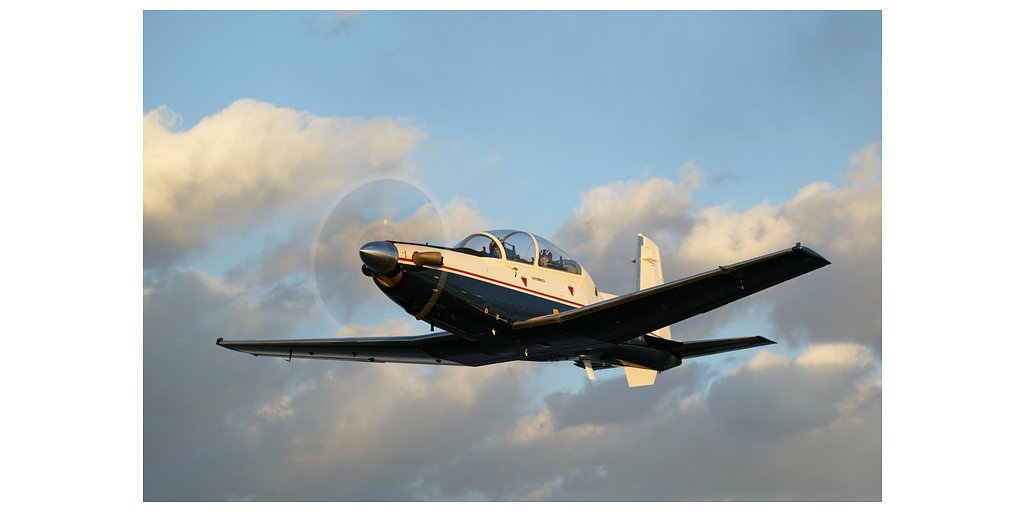
Textron Secures Future of T-6 Fleet with $510M Sustainment Pact
WICHITA, KS – April 13, 2026 – Textron Aviation Defense has solidified its role as the critical steward of the U.S. military's primary pilot training fleet, securing a five-year contract extension valued at over $150 million. This agreement ensures the continued sustainment and management of the ubiquitous Beechcraft T-6 Texan II aircraft, bringing the total cumulative ceiling value of the contract to $510 million and anchoring a vital national security program in America's heartland.
The contract renewal covers Sustaining Engineering and Program Management (SEPM) services for the entire U.S. government fleet, which includes the T-6A, T-6B, and T-6D variants used by the Air Force, Navy, and Army. This long-term commitment underscores the government's reliance on the T-6 platform and Textron's expertise to keep the workhorse trainers mission-ready for the next generation of military aviators.
"This follow‑on SEPM contract reflects the U.S. Government T-6 Joint Program Office’s continued confidence in our team and our ability to keep the T‑6 Texan II fleet mission‑ready,” said Travis Tyler, president and CEO of Textron Aviation Defense, in a statement. “Our focus remains on sustaining aircraft availability and supporting our customers as they train the next generation of military pilots.”
The Backbone of Pilot Training
For over two decades, the Beechcraft T-6 Texan II has been the first stop for nearly every pilot entering the U.S. Air Force, Navy, and Marine Corps. Born from the Joint Primary Aircraft Training System (JPATS) program in the 1990s, the T-6 was designed to replace the aging T-37B Tweet and T-34C Turbo Mentor with a single, modern, and cost-effective platform.
Today, with over 1,000 aircraft in service worldwide and more than 5 million flight hours logged, the T-6 is the undisputed global leader in its class. The aircraft's tandem-seat cockpit, advanced digital "glass cockpit" displays, and fully aerobatic flight envelope provide a robust and realistic training environment. Student pilots learn fundamental flying skills, instrument navigation, and formation flying in the Texan II before advancing to more specialized and expensive aircraft for fighter, bomber, transport, or helicopter tracks.
The platform's success extends beyond U.S. borders. It serves as the primary trainer for 15 allied nations and is used in two NATO military flight schools, making it a cornerstone of international pilot training and a key instrument of U.S. defense diplomacy. Its low operating cost, estimated around $2,235 per flight hour, makes it an economically sound choice for building foundational aviation skills compared to the tens of thousands of dollars per hour required to fly advanced combat jets.
An Economic Anchor for the Air Capital
Beyond its strategic military importance, the $510 million contract ceiling represents a significant vote of confidence in Textron and a major economic stabilizer for Wichita, Kansas. Known as the "Air Capital of the World," Wichita's economy is deeply intertwined with the aerospace industry, and multi-year defense contracts provide a crucial buffer against the cyclical nature of commercial aviation.
This long-term SEPM contract ensures a steady stream of high-skilled work—from systems engineering and program management to logistics and technical support—for Textron's Wichita-based workforce. In an industry where program stability is paramount, this agreement provides job security for hundreds of engineers, technicians, and support staff, reinforcing the company's deep roots in the community.
For Textron Inc. (NYSE: TXT), the parent company, sustainment and services contracts are a vital component of its business strategy. Unlike the high-stakes, competitive, and often lumpy revenue from new aircraft production, long-term support agreements provide a predictable and recurring revenue stream. These contracts often carry favorable profit margins and strengthen the company's incumbent advantage, positioning it favorably for future modernization efforts and follow-on programs. The renewal solidifies Textron's market position as the premier provider for a fleet that quadruples its nearest competitor in size.
The Engineering Challenge of Keeping a Legacy Fleet Modern
The term "Sustaining Engineering" belies the complexity of the work involved. It is a continuous, high-tech effort to ensure a fleet of aircraft designed in the 1990s can meet the demands of the 2030s and beyond. The T-6 fleet, with its earliest models now over 20 years old, faces the inevitable challenges of aging, parts obsolescence, and the need to integrate modern technologies.
Textron's role under the SEPM contract is to proactively manage these challenges. This involves everything from troubleshooting complex system failures and managing a global supply chain to designing and integrating major upgrades. A key focus is on avionics. The original T-6A models were built with a federated system of analog and early-generation digital components that have become increasingly difficult and costly to maintain.
To combat this, the fleet is undergoing constant modernization. A recent success was the fleet-wide completion of the NextGeneration Onboard Oxygen Generation System (OBOGS) upgrade in 2024, a critical safety enhancement designed to mitigate hypoxia-like physiological events that had previously been a concern. Looking ahead, a major Avionics Replacement Program (ARP) is planned for fiscal year 2025. This initiative will address the aging cockpit displays, integrate simulated weapons systems for enhanced training, and modernize the aircraft's data and debriefing capabilities, ensuring the T-6 remains a relevant and effective trainer for decades to come.
This contract ensures Textron remains at the heart of that evolution, managing the intricate dance of maintaining operational readiness while simultaneously planning and executing complex modernization programs across hundreds of aircraft. The work, performed under the watchful eye of the joint Air Force and Navy T-6 Program Office, is a testament to the enduring partnership required to keep a critical national asset flying safely and effectively. It is this unseen engineering and logistical effort that guarantees the T-6 Texan II will continue to be the launchpad for America's future airpower.