
- €1.3 billion investment: Technip Energies is backing a €1.3 billion e-fuel plant in Rouen, France.
- 80,000 tons annually: The plant is expected to produce 80,000 tons of synthetic aviation fuel (eSAF) per year once operational around 2030.
- EU mandates: The ReFuelEU Aviation regulation requires a 2% SAF blend in 2025, rising to 70% by 2050, with e-fuels mandated at 1.2% by 2030 and 35% by 2050.
Experts view the DEZiR project as a critical front-runner in Europe's efforts to decarbonize aviation, leveraging advanced Power-to-X technologies and strategic investments to overcome high production costs and meet stringent EU sustainability mandates.
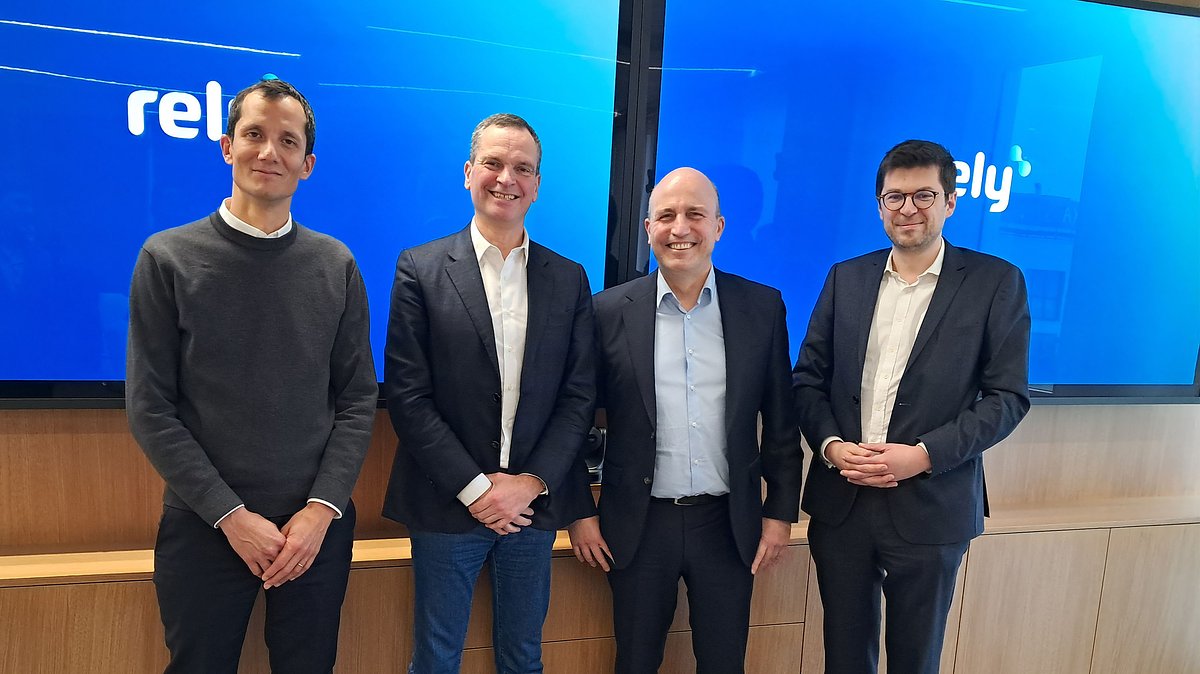
Technip Energies Backs €1.3B French e-Fuel Plant to Green Aviation
ROUEN, France – March 18, 2026 – In a landmark move for Europe's aviation decarbonization efforts, global engineering powerhouse Technip Energies has acquired a minority equity stake in Verso Energy's DEZiR project, a pioneering synthetic aviation fuel (eSAF) plant in Rouen, France. The investment signals growing confidence in technologies designed to power the future of flight with dramatically lower carbon emissions.
The DEZiR (DEcarboniZation in Rouen) project, a facility with a staggering €1.3 billion price tag, is poised to become a cornerstone of France's energy transition strategy. Once operational around 2030, the plant is expected to produce 80,000 tons of eSAF annually, offering a direct replacement for fossil-based kerosene and helping the aviation industry tackle its significant climate footprint. This initiative has already garnered substantial support, having been selected under both the prestigious France 2030 program and the European Innovation Fund.
The Race for Green Skies: Europe's Mandate Takes Flight
This strategic investment arrives at a critical moment. The European Union is no longer just encouraging sustainable aviation; it is mandating it. The ReFuelEU Aviation regulation, which came into force in 2025, sets legally binding targets for fuel suppliers at EU airports. Starting with a 2% sustainable aviation fuel (SAF) blend in 2025, the requirement climbs to 6% by 2030 and an ambitious 70% by 2050.
Crucially, the regulation includes a specific sub-mandate for e-fuels like the ones DEZiR will produce, starting at 1.2% in 2030 and rising to 35% by 2050. This policy creates a guaranteed, long-term market, providing the certainty needed to unlock massive capital investments. However, the challenge is immense. The global eSAF market, while projected to grow at an explosive rate, is still in its infancy. Production costs remain a significant hurdle, with current eSAF prices estimated to be five to eight times higher than conventional jet fuel.
This is where projects like DEZiR become pivotal. By securing backing from government funds and industry leaders like Technip Energies, the project can navigate the high upfront costs and de-risk its path to commercialization. With 41 large-scale eSAF projects currently under development across Europe, the race is on. Yet, with many of these initiatives still in early planning stages and none having reached a Final Investment Decision (FID) as of mid-2025, the advanced state of the DEZiR project positions it as a critical front-runner in Europe's quest to build a domestic green fuel supply chain.
Engineering a Decarbonized Future
At the heart of the DEZiR project lies a sophisticated combination of cutting-edge technologies known as Power-to-X (PtX). The process begins with renewable and low-carbon electricity, which powers electrolyzers to split water into green hydrogen and oxygen. This green hydrogen is then combined with captured carbon dioxide in a synthesis process to create e-methanol, which is subsequently refined into eSAF.
Technip Energies' contribution is central to this carbon-circular vision. The company will implement its proprietary Canopy by T.EN™ carbon capture solution, an advanced system powered by Shell CANSOLV® technology. This unit will capture biogenic CO2—carbon dioxide originating from biological sources like biomass—from the emissions of nearby industrial facilities. Instead of being released into the atmosphere, this CO2 will be repurposed as a vital feedstock for the eSAF plant, effectively closing the carbon loop. The technology boasts a CO2 recovery rate of over 95%, ensuring maximum efficiency.
Further cementing the technical partnership is Rely, a joint venture between Technip Energies and John Cockerill dedicated to PtX solutions. Rely is currently conducting the project's Front-End Engineering Design (FEED), a meticulous planning and design phase that defines the project's technical requirements and lays the groundwork for successful execution.
Arnaud Pieton, Chief Executive Officer of Technip Energies, highlighted the strategic importance of this collaboration. “We are pleased to engage alongside Verso Energy in the DEZiR project," he stated. "Through this investment, Technip Energies aims to support the development of a European e-fuels value chain to decarbonize aviation. With FEED underway, DEZiR is one of the most advanced eSAF projects in Europe. It also illustrates our approach to designing standardized and replicable projects to improve affordability and accelerate deployment.”
A Blueprint for Global Scale
For Verso Energy, the DEZiR plant is not just a standalone flagship; it is the blueprint for a global ambition. The company is pioneering a strategy centered on standardization and replicability, aiming to turn the lessons and efficiencies learned in Rouen into a competitive advantage for a much larger portfolio.
This portfolio is already taking shape, with Verso Energy developing seven additional e-fuel plants across France, Finland, and even in the United States. The goal is to leverage the design and execution model of the first plant to dramatically reduce costs and accelerate the time-to-market for subsequent facilities. By creating a standardized, "copy-paste" approach, Verso and its partners can bypass many of the "first-of-a-kind" challenges that often plague novel infrastructure projects, making the rollout of green fuel capacity faster and more economically viable.
The partnership with Rely is integral to this vision, as both entities share the ambition of making DEZiR a benchmark for future eSAF plants worldwide. This strategy aims to create an industrial ecosystem capable of producing over 500,000 tons of SAF annually across all of Verso's planned projects.
Xavier Caitucoli, President and co-founder of Verso Energy, expressed pride in the validation that Technip Energies' investment represents. "This is a positive signal from one of the world’s leaders in major industrial projects," he commented. "Their commitment demonstrates that the project meets the highest technical and financial standards and confirms Verso's ability to develop and deliver state-of-the-art infrastructure, including France's first eSAF plant by 2030."
The collaboration between a seasoned engineering giant and an agile energy developer provides a powerful model for the energy transition. It demonstrates how established industrial expertise can combine with innovative business strategies to transform ambitious climate policies into tangible steel, pipes, and, ultimately, a cleaner fuel for one of the world's most challenging sectors to decarbonize. As the DEZiR project moves from design to construction, it will serve as a crucial test case for the future of sustainable aviation.
Topics & Related
Renewable Energy
Venture Capital
Decarbonization
Net Zero
Digital Transformation
Geopolitics & Trade
ESG
Regulatory & Legal
Acquisition
Related Company Pulse