
- Peak Brightness: 10,000 nits (HDR)
- Dimming Zones: Up to 20,736 on largest models
- Color Gamut: 100% of BT.2020
- Market Share: 29.4% in Mini LED TV shipments (Global No. 1)
Experts view TCL's SQD-Mini LED technology as a significant advancement that combines the best of OLED and LED, offering unparalleled brightness, color accuracy, and contrast without burn-in risks.
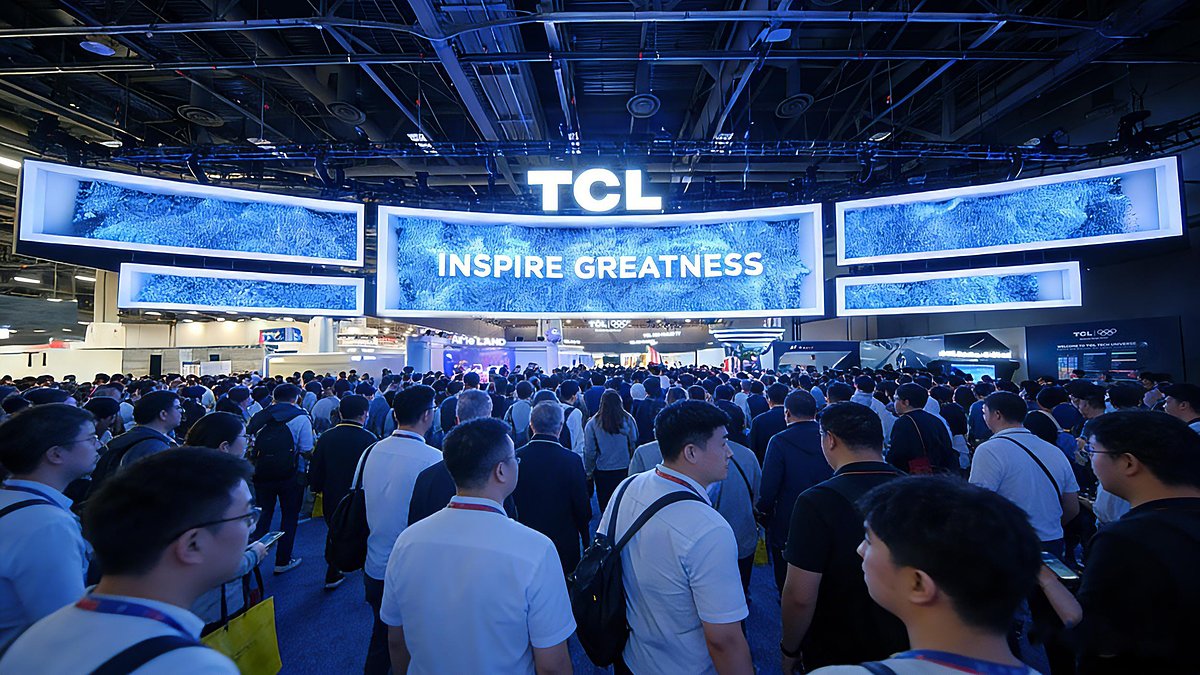
TCL's SQD-Mini LED TV Aims to End the Display Tech Debate
LAS VEGAS, NV – January 07, 2026 – At its largest-ever exhibition at the Consumer Electronics Show, global technology giant TCL made a bold declaration, unveiling a next-generation display technology it claims could finally settle the long-standing debate between the perfect blacks of OLED and the searing brightness of LED. The new proprietary SQD-Mini LED technology, debuting in the flagship X11L television series, headlines a massive showcase of innovation that extends far beyond the living room screen, signaling a strategic push into a fully integrated, AI-driven smart living ecosystem.
A New Benchmark in Visuals
At the heart of TCL's CES 2026 presentation is the TCL X11L, a television that, on paper, seems to defy current technological limits. The set boasts an unprecedented peak brightness of HDR 10,000 nits and features up to 20,736 precise dimming zones on its largest models. These numbers, which drew audible gasps from attendees, are made possible by the new SQD-Mini LED technology, which represents a fundamental re-engineering of the Mini LED backlight.
Unlike traditional Mini LED or the emerging RGB Mini-LED systems used by competitors, which cluster red, green, and blue LEDs to create white light, TCL’s approach uses a single blue LED light source. This light then excites a layer of "Super Quantum Dots" to produce incredibly pure red and green light. According to the company, this method eliminates color crosstalk and blooming issues that can plague other systems, allowing the X11L to achieve a staggering 100% of the BT.2020 color gamut across all scenes—not just in isolated pockets.
Industry experts who previewed the technology on the show floor were impressed, with some suggesting SQD-Mini LED is "more than just a buzzword." The result is a picture with intense, punchy highlights, vibrant color saturation, and deep black levels that rival the best on the market, all without the risk of burn-in associated with OLED panels. This performance is further enhanced by an ultra-color-filter crystal screen, dubbed the Super Panel, which prevents color bleeding and boosts native contrast. To match the visual prowess, TCL has partnered with Audio by Bang & Olufsen, embedding a high-fidelity sound system into the television’s ultra-slim, borderless frame.
An Ecosystem Powered by Artificial Intelligence
While the X11L is the undeniable star, TCL's ambitions clearly extend beyond television dominance. The company is positioning artificial intelligence as the connective tissue for a smarter, more intuitive lifestyle, unveiling a suite of products designed to work in concert.
Leading this charge is the RayNeo Air 4 Pro, described as the "world's first HDR10-enabled glasses." Powered by a custom Vision 4000 chip, these AR glasses project a virtual 201-inch screen with a stunning 200,000:1 contrast ratio. The onboard AI actively optimizes viewing in real-time, capable of converting standard dynamic range (SDR) video to HDR and transforming 2D content into an immersive 3D experience. This positions the device not just as a novelty but as a serious contender for high-fidelity personal media consumption, competing in a space increasingly populated by giants like Apple and Meta.
Complementing the visual experience is TCL AiMe, a modular AI companion robot designed to be the central hub of the smart home. According to TCL, AiMe can recognize user emotions, manage a network of IoT devices, and act as a mobile camera to capture moments. Its modular design suggests a level of customization not seen in many consumer robots, potentially allowing users to adapt its functionality for roles ranging from home security to personal assistance, challenging established players like Amazon's Astro.
The AI integration also permeates TCL's home appliance line. The new TCL FreshIN 3.0 Next-Gen AI Healthy Air Conditioner uses AI to optimize its compressor for over 37% in energy savings while its QuadruPuri filters remove nearly 98% of PM2.5 particles, creating a healthier and more efficient home environment managed through simple voice commands.
Sustainability Takes Center Stage
Amidst the dazzling displays and futuristic gadgets, TCL dedicated a significant portion of its exhibition to its sustainability and design philosophy. The TCLGreen initiative, a long-term corporate commitment, found a tangible expression in the debut of TCL ECORA™, a breakthrough composite material developed with renowned CMF (Color, Material, Finish) master Chris Lefteri.
Sourced from recycled porcelain waste, ECORA™ transforms discarded material into a premium, durable finish for home appliances. This move reflects a growing industry trend towards circular economy principles and addresses consumer demand for more environmentally responsible products. By turning waste into a high-value material, TCL is not just making a statement but also exploring scalable solutions to reduce the environmental footprint of its manufacturing. Visitors at the CES booth were given a hands-on experience, crafting personalized accessories from 3D-printed ECORA™ letters, making the abstract concept of sustainable materials tangible.
This focus on a greener future is paired with TCLArt, a global initiative aimed at making art more accessible through the company’s advanced display technology. These two pillars converge in the TCL NXTHOME™ exhibition, an immersive space demonstrating a future where technology seamlessly integrates into the background, allowing life and art to take precedence.
Fortified by Market Leadership
Underpinning these ambitious future-facing innovations is TCL's formidable global presence and proven market performance. The company leveraged its 27 years of experience, 47 R&D centers, and 39 manufacturing bases to serve over 1.3 billion users worldwide. This scale is a crucial factor in its ability to innovate and compete.
Company data for the first three quarters of 2025, supported by industry analyst reports, confirms TCL's position as the Global Top 2 TV brand by shipments. More significantly, it holds the title of the Global No. 1 brand for Mini LED TV shipments, with a commanding 29.4% market share in the category it helped pioneer. This leadership was further recognized at CES 2026, where the Global Top Brands Selection awarded TCL second place among Global TV Brands and 14th on the Global Top 50 CE Brands list for 2025-2026. This strong market position and manufacturing prowess provide a solid foundation as the company ventures deeper into AI, AR, and sustainable technologies, aiming to shape the next generation of consumer electronics.