
- Up to 30% increase in direct bookings reported by hotels after implementing personalization
- Elimination of third-party pop-up tools and scripts
- Faster load times and improved Core Web Vitals with native personalization
Experts agree that Tambourine One's native personalization approach offers a more seamless guest experience and operational efficiency, setting a new standard for hotel digital marketing.
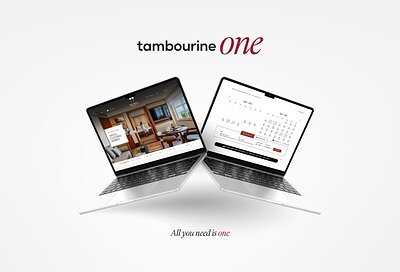
Tambourine One Aims to End Hotel Pop-Ups with Native Personalization
FORT LAUDERDALE, Fla. – April 09, 2026 – In a move that challenges a long-standing and often frustrating practice in digital hospitality, marketing technology leader Tambourine has announced a significant evolution for its Tambourine One platform. The company is eliminating third-party pop-up tools by integrating website personalization features directly into its core architecture, promising a smoother booking journey for guests and a more efficient, cost-effective operation for hotels.
The announcement targets one of the most common yet controversial elements of the online booking experience. For years, hotels have relied on third-party overlays and pop-ups to present special offers, capture email sign-ups, and create a sense of urgency. While these tools serve the crucial goal of driving direct bookings, they have become notorious for interrupting users, slowing down website performance, and creating a disjointed brand experience. Tambourine's new approach aims to deliver the benefits of personalization without the disruptive side effects.
The Problem with Pop-Ups and the Push for Personalization
In the highly competitive hospitality landscape, personalization is no longer a luxury but a necessity. Hotels are under constant pressure to increase direct bookings to reduce their reliance on costly online travel agencies (OTAs). Tailoring website content and offers to specific user segments—based on geography, browsing history, or referral source—has proven to be an effective strategy, with some hotels reporting direct booking increases of up to 30% after implementing personalization.
However, the industry's primary method for achieving this has been through bolt-on, third-party scripts. These tools, while effective at delivering an offer, come with a significant technical and user-experience cost. Each script adds to a website's load time, as browsers must fetch and execute code from multiple external sources. This can lead to slower page speeds, which directly impacts user satisfaction, bounce rates, and even search engine rankings, as Google prioritizes faster websites in its results.
Beyond performance issues, these overlays create a fragmented journey. A potential guest might be moments from booking when an intrusive pop-up obscures the page, creating friction and undermining the carefully crafted brand image of the hotel. "Pop-ups have always been a half measure. They prioritize the delivery of an offer over providing a seamless user experience," said Thomas McDermott, CMO at Tambourine, in the company's announcement. This sentiment reflects a growing industry consensus that a better way is needed.
A Native Approach to a Seamless Guest Journey
Tambourine One's solution is to weave personalization directly into the fabric of the hotel website. Instead of an overlay appearing on top of the page, the content on the page itself dynamically changes to suit the visitor. This native integration means a visitor from a cold climate might see a homepage hero image of a sunny beach, while a returning guest could be greeted with an exclusive loyalty offer seamlessly integrated into the page design.
According to the company, the platform’s built-in features include the ability to dynamically customize homepage headers, videos, and messaging for different guest segments. Offers and packages can be promoted in strategic, high-impact placements across the site without interrupting the user's flow. This is all managed through an intuitive front-end editor that allows hotel staff to make real-time updates without needing a developer.
This approach directly addresses the technical drawbacks of third-party tools. By eliminating external scripts, the platform promises faster load times and improved Core Web Vitals—the key metrics Google uses to measure user experience. For hoteliers, this translates into a more stable, secure, and SEO-friendly website. Furthermore, built-in brand guardrails ensure that all personalized content automatically aligns with the property's established visual standards, maintaining a consistent and professional online presence. "With Tambourine One, personalization is no longer something bolted onto the website and instead is part of the website itself," McDermott added. "No third-party overlays, no third-party scripts, no disruption."
Consolidating the Tech Stack and Cutting Costs
Beyond the improved guest experience, Tambourine is positioning its integrated platform as a powerful tool for financial and operational efficiency. The modern hotel's technology stack has become increasingly complex and expensive, often comprising dozens of disparate systems for property management, marketing, revenue, and guest services. Each additional vendor adds another subscription fee, another integration to manage, and another potential point of failure.
Tambourine One's strategy is one of consolidation. By including native personalization at no additional cost, hotels can eliminate the subscription fees they would otherwise pay to a third-party personalization vendor, which can amount to thousands of dollars in monthly spend. This is part of a broader value proposition that also includes zero transaction fees on its integrated booking engine, a significant departure from models that charge a percentage or flat fee for every direct booking.
"Tambourine One is designed to reduce hotel technology layers," explained Mekell Barker, SVP of Account Service. "And when you successfully reduce tech layers, you can eliminate the technology fees associated with those layers. Built-in personalization is just one of those tech layers." This focus on reducing vendor sprawl and simplifying the tech ecosystem resonates with a key pain point for hotel owners and operators, who are increasingly seeking all-in-one solutions that deliver a higher return on investment and a lower total cost of ownership.
Setting a New Standard in a Competitive Market
While many technology providers in the hospitality space, such as Cendyn, SHR, and TravelClick, offer sophisticated personalization and CRM tools, Tambourine's aggressive move to make native, pop-up-free personalization a standard, no-cost feature is a notable differentiator. It sets a new benchmark for what hoteliers might expect from an integrated website and booking engine platform.
The shift could pressure the wider market to re-evaluate its reliance on script-based solutions and move toward more deeply integrated, performance-friendly alternatives. As guest expectations for seamless digital experiences continue to rise, the clunky, interruptive nature of pop-ups may become increasingly unacceptable.
This development is part of a larger trend in hospitality tech toward unified platforms that break down data silos and enable a single, cohesive view of the guest. By centralizing personalization within the core website platform, Tambourine is creating a foundation that could support even more advanced, AI-driven personalization in the future, where experiences are tailored not just to broad segments but to the real-time context and behavior of each individual user. As the industry continues its digital transformation, solutions that prioritize both the guest experience and the hotelier's bottom line are poised to lead the way.