
- 47%: Design-build projected to account for 47% of U.S. construction spending by 2028
- $1.1 trillion: Design-build market expected to exceed $1.1 trillion over the next five years
- 102% faster: Design-build projects can be delivered up to 102% faster than traditional methods
Experts agree that the design-build model is becoming the dominant project delivery method due to its efficiency, cost certainty, and collaborative advantages, signaling a fundamental shift in the construction industry.
Suffolk’s Big Bet on Design-Build to Master Construction's Future
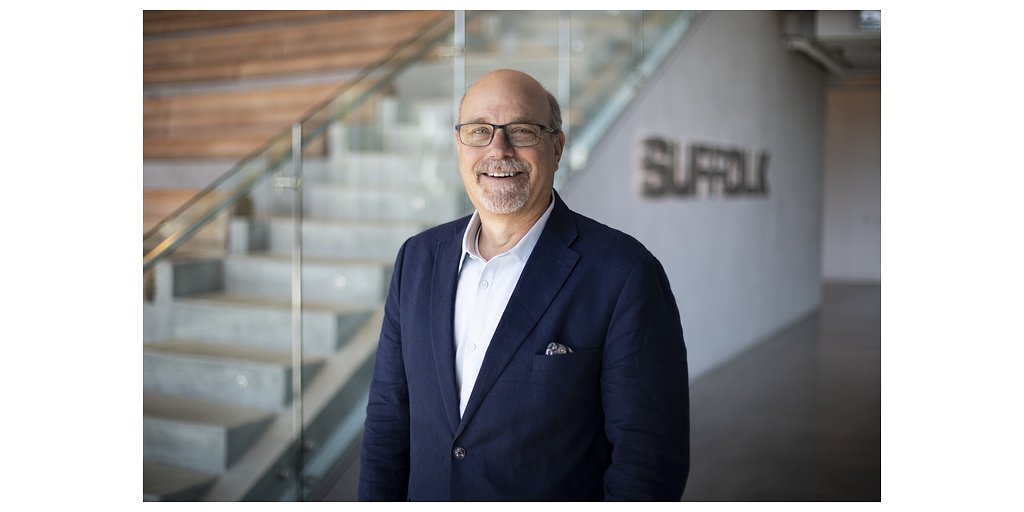
BOSTON, MA – December 15, 2025 – In a move that signals a deep strategic commitment to the future of project delivery, national builder Suffolk has appointed Ken VanOverberghe as its Senior Vice President, National Design Build. While executive hires are routine, this one is a potent indicator of a much larger transformation reshaping the global construction industry. Suffolk isn't just filling a leadership slot; it's fortifying its position on the front lines of an industry-wide pivot towards a more integrated, efficient, and collaborative model: design-build.
This appointment arrives as the construction sector grapples with persistent labor shortages, volatile supply chains, and increasing project complexity. The traditional, fragmented approach of design-bid-build—where owners manage separate contracts for architects and builders—is proving too slow and risky for the demands of the new economy. Suffolk’s strategic investment in a leader renowned for navigating complexity underscores a clear vision: the future of building belongs to those who can unify the entire project lifecycle, from initial concept to final execution.
The Tectonic Shift to Integrated Delivery
The move away from siloed project management is no longer a niche trend; it's a seismic shift. According to a landmark study by the Design-Build Institute of America (DBIA) and FMI Corporation, the design-build delivery method is projected to account for a staggering 47% of all U.S. construction spending by 2028. This represents a market poised to exceed $1.1 trillion in total spending over the next five years, making it the dominant project delivery method in the country.
The drivers behind this explosive growth are rooted in efficiency and risk mitigation. In the design-build model, a single entity holds a single contract with the owner, assuming responsibility for both design and construction. This unification creates a collaborative environment from day one, breaking down the adversarial walls that often plague traditional projects. Teams can engage in continuous value engineering, identify constructability issues early, and innovate in real-time. For project owners, this translates into tangible benefits: faster delivery, greater cost certainty, and a single point of accountability.
Research validates these advantages, showing that design-build projects can be delivered up to 102% faster with significantly less cost growth compared to their design-bid-build counterparts. In an economic climate where time is money and budget overruns can derail entire capital projects, the appeal of this integrated approach is undeniable. It's a direct response to market demands for a more resilient and predictable way to build everything from advanced manufacturing plants and life sciences labs to public schools and critical infrastructure.
A Leader for an Era of Complexity
To capitalize on this shift, simply offering design-build services is not enough. Success requires a specific type of leadership capable of orchestrating immense complexity. This is precisely the expertise Suffolk has acquired in Ken VanOverberghe. With over a decade of senior design-build leadership at the global engineering firm Jacobs, VanOverberghe cultivated a reputation for turning around high-risk, schedule-challenged megaprojects.
His experience overseeing a portfolio of complex infrastructure and transit projects across the Eastern U.S. and Canada—where he managed over $250 million in design delivery—has honed a skillset centered on strategic problem-solving and hands-on execution. This track record is what makes him a critical asset for Suffolk’s national ambitions. The modern construction landscape is defined by megaprojects with intricate logistical chains, diverse stakeholder groups, and tight delivery windows. VanOverberghe's proven ability to restore order to challenged projects and deliver them on time and on budget is a rare and valuable commodity.
“The future of great buildings depends on great collaborators,” noted Chris Lansizera, Senior Vice President of Suffolk Design, in the company’s announcement. “Ken has an innate ability to translate a client’s vision into a design-build strategy that unlocks its full potential. We’re entering an era where integration, creativity, and technical rigor matter more than ever.” This sentiment highlights that the hire is less about managing a process and more about mastering the art of collaboration and turning complexity into clarity—a core tenet of successful design-build execution.
Beyond the Blueprint: Suffolk's Integrated Strategy
Suffolk’s recruitment of VanOverberghe is not a standalone initiative but the latest move in a long-term strategy to embed integration deep within its corporate DNA. In 2020, the company launched Suffolk Design, a pioneering in-house design-management practice. This division, now staffed by over 90 licensed architects, engineers, and design technologists, was created to bridge the traditional gap between designers and builders, effectively creating a hub for innovation and streamlined execution.
By bringing design expertise in-house, Suffolk has been able to reduce the risk associated with fragmented handoffs and accelerate delivery on its most complicated projects. VanOverberghe's role is to take this proven model and scale it nationally, ensuring consistent excellence and client experience across all regions. This integrated platform is already being deployed on significant projects nationwide. For instance, Suffolk is leading the Rebuild USVI initiative, a major design-build effort to deliver new, modernized educational facilities on St. Croix and St. Thomas. The company is also managing complex design-build work in key markets like California and Florida, including the University of California San Francisco Parnassus Central Campus Site Improvements.
This approach represents a fundamental rethinking of a builder's role. Instead of just executing a set of plans, Suffolk is positioning itself as an end-to-end partner that provides value across the entire project lifecycle. This vertical integration, which includes real estate capital investment and technology start-up funding through Suffolk Technologies, demonstrates a holistic understanding of the built environment as an interconnected ecosystem.
Navigating the New Economic Landscape
The industry-wide adoption of design-build is more than a procedural evolution; it is a strategic response to the economic realities of the 21st century. The model directly facilitates the integration of advanced technologies like Building Information Modeling (BIM) and prefabrication, which thrive in collaborative environments where designers and builders work in tandem. By optimizing for these technologies, design-build not only enhances efficiency but also promotes sustainability and higher-quality outcomes.
Of course, the transition is not without its hurdles. Some public sectors still face legislative barriers to adopting design-build, and some owners remain hesitant to relinquish the direct control over the architect that the traditional model affords. However, the overwhelming momentum, driven by proven results in cost and schedule performance, is pushing the industry past these obstacles. As more owners experience the benefits of a single, unified team, the integrated model is rapidly becoming the new standard for complex projects.
By placing a leader like Ken VanOverberghe at the helm of its national design-build practice, Suffolk is making a clear statement. The company is betting that the future will be won not by the biggest builder, but by the smartest integrator. In an economy that rewards speed, collaboration, and resilience, mastering the integrated delivery of complex projects is no longer just a competitive advantage—it is the key to survival and leadership in the evolving world of construction.