
- 2.5x greater reduction in liver fat with essential phospholipids (EPLs) combined with lifestyle changes compared to diet and exercise alone.
- 30% of global adults currently affected by MASLD, projected to rise to over 50% by 2040.
- Significant HbA1c reduction with EPL treatment, improving glycemic control in MASLD patients.
Experts agree that essential phospholipids (EPLs) represent a significant advancement in MASLD treatment, offering measurable improvements in liver fat reduction and patient-reported outcomes when combined with lifestyle interventions.
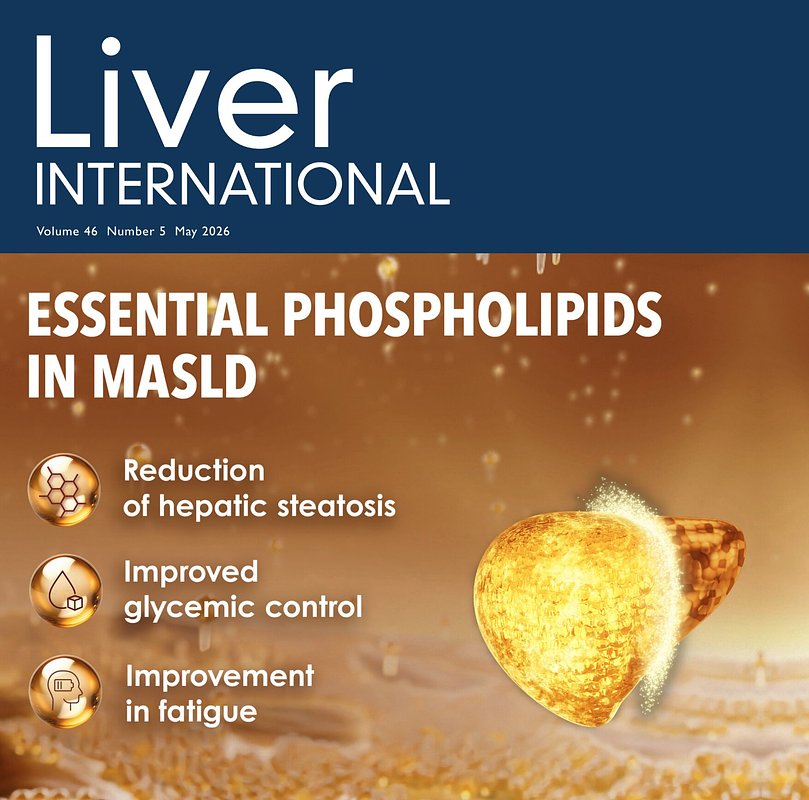
Study Finds Key Nutrient Boosts Fatty Liver Disease Treatment
PARIS, France – April 27, 2026 – For the hundreds of millions of people worldwide living with Metabolic dysfunction–Associated Steatotic Liver Disease (MASLD), often called fatty liver disease, the primary treatment advice has long been consistent: diet and exercise. Now, groundbreaking research suggests a powerful new component can be added to that regimen, significantly amplifying its effects and offering renewed hope.
A first-of-its-kind clinical trial, named EXCEL, has demonstrated that adding essential phospholipids (EPLs) to a standard lifestyle intervention resulted in a 2.5 times greater reduction in liver fat compared to diet and exercise alone. The study, sponsored by Opella's Essentiale brand, also revealed significant improvements in patient-reported fatigue and better glycemic control, addressing some of the most debilitating aspects of the condition.
These findings, published in the peer-reviewed journal Liver International, mark a pivotal moment in the management of a disease that affects an estimated 30% of the global adult population and is projected to impact over half of all adults by 2040.
A Breakthrough for a Silent Epidemic
MASLD is often described as a “silent” condition, as many individuals are unaware they have it until it progresses to more severe stages like steatohepatitis (MASH) or cirrhosis. However, for those who experience symptoms, the impact on quality of life can be profound. The disease is frequently associated with a constellation of issues including persistent fatigue, abdominal pain, sleep disturbances, and an increased risk of type 2 diabetes and cardiovascular events.
The EXCEL study directly addressed these multifaceted challenges. It was a multi-centre, randomized, double-blind, placebo-controlled trial—the gold standard in clinical research—that specifically enrolled MASLD patients who also had common comorbidities like type 2 diabetes, obesity, or high cholesterol.
“This groundbreaking research marks an important moment for the millions of people currently living with MASLD,” said Professor Norbert Stefan, Holder of the Chair of Clinical and Experimental Diabetology at the University of Tübingen, in a statement. “The EXCEL study underscores the clinical importance of early intervention and bridges the gap between scientific evidence and patient experience. By demonstrating measurable improvements in liver fat reduction and improvement of fatigue, this study reinforces the vital message that effective, evidence-based options exist to transform outcomes and restore hope for a more energized life.”
Deconstructing the Science of Liver Repair
The rigor of the EXCEL study lies in its modern methodology. Researchers used FibroScan CAP, a non-invasive imaging technology, to precisely measure the reduction in liver fat. To quantify the impact on patient well-being, they employed the CLDQ-MASLD score, a validated questionnaire designed to assess quality-of-life metrics, including fatigue, in individuals with chronic liver disease.
The results were clear and statistically significant. Beyond the dramatic reduction in liver fat, the study documented a marked improvement in fatigue levels among patients taking EPLs. This is a critical outcome, as fatigue is one of the most common and disruptive symptoms reported by the MASLD community.
So, what are essential phospholipids? EPLs, primarily composed of phosphatidylcholine, are purified extracts derived from soybeans. They are fundamental building blocks of all cell membranes, including those of liver cells (hepatocytes). Decades of research suggest that EPLs are absorbed and delivered directly to the liver, where they are incorporated into damaged cell membranes. This helps restore cellular structure, protect against oxidative stress, and support the liver's natural detoxification and regeneration processes.
Furthermore, the study found that treatment with EPLs led to a significant reduction in HbA1c levels. This marker is a crucial indicator of long-term blood sugar control, making the findings particularly relevant for the large subset of MASLD patients who also struggle with type 2 diabetes.
A New Tool in an Evolving Treatment Landscape
The findings from the EXCEL trial arrive at a critical time in the evolution of MASLD treatment. For years, lifestyle modification has been the cornerstone of care. While effective, achieving and sustaining the necessary weight loss and physical activity levels can be challenging for many patients.
Recently, the therapeutic landscape has begun to shift with the first FDA approvals of drugs specifically for MASH, the more aggressive form of fatty liver disease characterized by inflammation and fibrosis. Therapies like resmetirom are targeted at patients with moderate-to-advanced liver fibrosis. This has left a significant treatment gap for the vast majority of patients with earlier-stage MASLD, where the focus is on preventing disease progression and managing metabolic health.
Essentiale, which is available over-the-counter as a dietary supplement in many countries, could help fill this gap. The EXCEL study positions EPLs not as a replacement for diet and exercise, but as an evidence-based adjunct that can make those lifestyle efforts more effective. It provides a tangible option for patients and clinicians looking to take early, proactive steps against the disease.
“The EXCEL study proves that timing is everything. When caught early, a significant portion of MASLD cases can be reversible,” noted Nikunj Thakker, Global Brand General Manager for Essentiale at Opella. “This evidence-based treatment, using essential phospholipids combined with diet and exercise, actively reduces liver fat and tackles debilitating fatigue head-on, changing outcomes for the billions globally living with Fatty Liver Disease.”
This approach aligns with the growing consensus among patient advocacy groups like the Global Liver Institute and the Fatty Liver Foundation, which emphasize the urgent need for greater awareness, earlier diagnosis, and accessible interventions. By providing a validated tool that can be implemented alongside foundational lifestyle changes, the findings empower patients to take a more active role in managing their liver health before irreversible damage occurs.