
- $1 million investment in flood protection at the Northeast Water Reclamation Facility
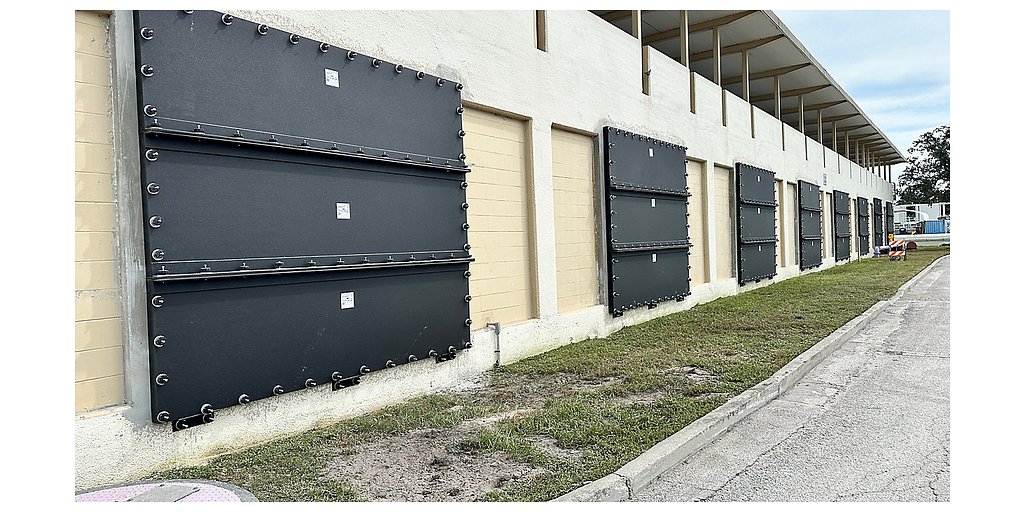
- 11 key buildings fortified with 100 patented FRA Flood Panels
- Nearly $1 billion invested in resilience projects over the past nine years
Experts would likely conclude that St. Petersburg's targeted, cost-effective flood-proofing strategy sets a strong precedent for urban resilience against climate threats, balancing immediate protection with long-term fiscal responsibility.
St. Pete Fortifies Front Lines in $1M Climate-Proofing Strategy
ST. PETERSBURG, FL – February 24, 2026 – In a determined move to safeguard its essential services against the growing threat of extreme weather, the City of St. Petersburg has completed a critical $1 million flood protection upgrade at its Northeast Water Reclamation Facility. The project, a partnership with Flood Risk America, aims to prevent the kind of catastrophic shutdowns that crippled the facility during the punishing 2024 hurricane season, ensuring the city's wastewater infrastructure can withstand future storms.
The investment fortified 11 key buildings across the sprawling facility with 100 patented FRA Flood Panels, a direct response to the vulnerabilities exposed by Hurricanes Helene and Milton. These back-to-back storms forced the plant offline for the first time in its history, underscoring the urgent need for a more resilient defense against storm surge in the low-lying coastal city.
A Targeted Defense Against Rising Tides
Rather than undertaking a prohibitively expensive and lengthy construction of a perimeter flood wall, the city opted for a more surgical and cost-effective approach. The newly installed flood panels are designed to attach directly to the buildings themselves, creating a watertight seal around vulnerable doors, windows, and other openings.
“Instead of building a wall around the entire facility, we achieved the same level of protection by attaching the panels directly to the buildings,” said Public Works Administrator Claude Tankersley.
This targeted strategy proved particularly crucial for the facility’s filter station. During Hurricane Helene, a massive underground bay housing critical electrical systems was inundated with corrosive saltwater, leading to extensive damage and costly repairs. The new panel system now shields this vital infrastructure, with each opening secured by a series of custom-fabricated, marine-grade aluminum panels. This approach, according to city officials, provides robust protection at a fraction of the cost of elevating entire structures, a process that could run into the tens of millions of dollars for a single building.
“At some point in the future, when this building and its equipment become obsolete, raising it may make sense,” Tankersley explained. “But completing this flood panel installation provided a much more practical and economical solution.”
The panels are designed for rapid deployment, allowing facility staff to secure the buildings quickly as a storm approaches, a significant advantage over more permanent or cumbersome flood mitigation methods.
Lessons Learned from a Volatile Hurricane Season
The urgency of the project was underscored by the severe impacts of the 2024 hurricane season. Hurricane Helene, which made landfall more than 170 miles away, still generated a storm surge of over seven feet in parts of St. Petersburg, flooding the Northeast facility. Weeks later, Hurricane Milton delivered a "1,000-year" rainfall event, dumping over 18 inches of rain and bringing winds exceeding 100 mph, again taking the plant offline.
These events were a harsh reminder of the city's profound vulnerability. Much of St. Petersburg, including the Northeast facility, sits just a few feet above sea level. Climate risk assessments from organizations like the First Street Foundation have designated the city as having a "severe risk" from flooding, with nearly half of all properties facing potential inundation over the next three decades.
The shutdowns not only disrupted essential services but also highlighted the cascading failures that can occur when critical infrastructure is compromised. The successful installation of the flood panels represents a crucial step in applying these hard-won lessons.
“This was a very big upgrade,” Tankersley stated, expressing confidence in the new defenses. “We are now at the point that if we were to receive a storm similar to Helene, we would not have to shut down this plant.”
A Blueprint for Urban Resilience
This $1 million project is not an isolated effort but a key component of St. Petersburg's broader, multi-faceted strategy to build a more climate-resilient city. Under initiatives like "Resilient St. Pete" and the accelerated "St. Pete Agile Resilience Plan (SPAR)," the city has embarked on a comprehensive campaign to harden its infrastructure. Over the past nine years, nearly $1 billion has been invested in resilience projects.
The SPAR initiative, in particular, focuses on fast-tracking improvements to critical utility facilities and identifying flood mitigation projects for vulnerable neighborhoods. The successful flood-proofing of the Northeast plant is being mirrored at the city’s Southwest Water Reclamation Facility, which has received a similar flood panel system, demonstrating a city-wide commitment to protecting its water resources.
St. Petersburg's proactive stance aligns with a growing national trend. Across the United States, water and wastewater utilities are grappling with the dual challenges of aging infrastructure and the increasing frequency of extreme weather events. Federal agencies and industry organizations like the Environmental Protection Agency and the American Water Works Association are urging utilities to integrate climate risk into their long-term planning and invest in hardening their facilities. The targeted, technologically advanced solution adopted by St. Petersburg serves as a compelling case study for other coastal communities facing similar threats.
The Economics of Preparation
For St. Petersburg, the investment in flood panels is a calculated financial decision, framing resilience as a fiscally responsible imperative. The $1 million expenditure is seen as a preemptive strike against the far greater costs associated with disaster recovery, including emergency repairs, lost operational capacity, and potential environmental fines.
The contrast between the cost of the panels and the alternatives is stark. While elevating just one of the vulnerable buildings could cost tens of millions, the entire panel project for 11 buildings was completed for a fraction of that price. This makes advanced protection accessible and allows the city to allocate resources to other pressing resilience needs.
By preventing saltwater from inundating electrical systems and other critical equipment, the city avoids not only the immediate cost of repairs but also the long-term degradation of its assets. For taxpayers and utility ratepayers, this proactive spending is an investment in stability, preventing the costly cycle of damage and repair that has plagued many climate-vulnerable municipalities. The city's strategy demonstrates a clear understanding that the price of preparedness now is far lower than the price of recovery later.