
- $600 billion: The global sports marketing industry's current value.
- 76%: Marketing executives who admit they cannot accurately measure ROI on sponsorships.
- 12% annual growth: Sponsorship in women's sports, outpacing men's professional sports.
Experts agree that the sports marketing industry must shift from traditional, unmeasurable metrics to data-driven strategies to justify massive sponsorship investments and prove tangible ROI.
Sports Marketing's $600B Gamble Faces an ROI Reckoning
NEW YORK, NY – March 16, 2026 – The global sports marketing industry, a behemoth valued at over $600 billion, is facing a critical identity crisis. While marketing budgets for major properties like the PGA Tour, ATP tennis, and esports continue to swell, a staggering 76% of marketing executives admit they cannot accurately measure the return on their sponsorship investments. This profound disconnect between massive spending and murky results has created unprecedented pressure, forcing a long-overdue reckoning within the industry.
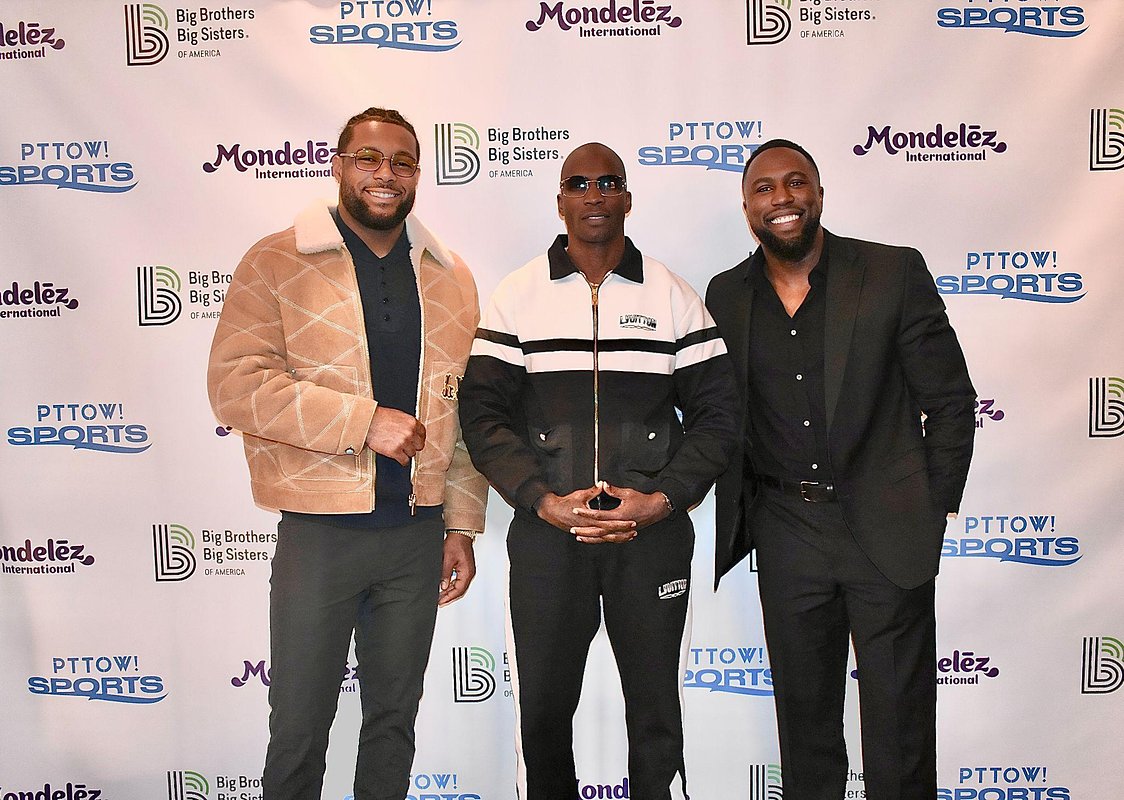
The issue was brought into sharp focus at the recent PTTOW! Sports Summit, an exclusive gathering of 120 CMOs and senior executives from iconic organizations like the Golden State Warriors, Kansas City Chiefs, and NASCAR. The summit highlighted a growing tension between Chief Marketing Officers, who champion sponsorship as a vital brand-building tool, and Chief Financial Officers, who demand quantifiable proof of value in an increasingly volatile economy. With the sponsorship market projected to soar to nearly $195.5 billion by 2032, the inability to prove ROI is no longer a mere inconvenience but a significant financial liability.
A Deepening Crisis of Measurement
The challenge of measuring sponsorship ROI is multifaceted. For years, brands relied on "soft" metrics like media impressions and logo visibility—data points that are easy to collect but difficult to connect directly to sales or shifts in consumer behavior. A 2024 Forrester survey underscored this problem, revealing that while 67% of B2C marketers planned to increase their sports sponsorship spend, most were flying blind on its actual impact.
Experts point to several systemic issues. Measurement is often siloed within organizations, preventing a holistic view of a sponsorship's enterprise-wide impact, which includes internal benefits like employee morale and talent recruitment. Furthermore, many marketers ignore the long-term sales effects of their investments, which can last for years and potentially understate the true ROI by as much as 47%. This over-reliance on immediate, often superficial, metrics has created an accountability gap that finance departments are no longer willing to tolerate. The result is a paradox: despite 63% of global consumers following sports, most cannot recall sponsors from recent events, questioning the efficacy of traditional, high-cost partnerships.
Beyond the Jumbotron: The Search for Authentic Engagement
In response to this crisis, a new playbook is emerging, one that prioritizes authentic connection over passive exposure. At the PTTOW! summit, industry leaders showcased a shift toward more innovative and targeted strategies designed to resonate with younger, more discerning audiences like Gen Z and Gen Alpha.
Don Garber, Commissioner of Major League Soccer, detailed strategies for brands to engage with the upcoming 2026 World Cup without a nine-figure FIFA partnership. His session focused on regional activation opportunities across the 16 North American host cities, allowing brands to create deeper, community-level connections.
This theme of finding value outside traditional sports powerhouses was echoed by "Free Solo" subject Alex Honnold and champion climber Emily Harrington. They argued that brands should look past broadcast giants to sports like rock climbing, whose Olympic debut created organic opportunities to connect with new audiences before mainstream sponsors took notice.
Nowhere is this trend more apparent than in the meteoric rise of women's sports. Sponsorship in women's leagues is growing at 12% annually, outpacing the 8% growth in men's professional sports. This surge, which saw women's leagues add over 1,000 brand partners in 2023, is fueled by rising visibility and a recognition that their engaged, values-driven fan bases offer a powerful platform for brand alignment. The announcement of the new Women's Pro Baseball League by Justine Siegal at the summit, which garnered immediate support, signals that private equity and major brands are betting heavily on this new frontier.
The Rise of the Measurement Machines
As brands pivot their strategies, a new generation of technology is emerging to finally answer the ROI question. The industry is rapidly moving away from simple media equivalency and toward sophisticated, AI-powered platforms that provide a comprehensive view of sponsorship performance.
Holistic solutions, such as Nielsen's "Return on Sponsorship Investment" (ROSI) framework, are gaining traction. These systems integrate sales data, brand health metrics, and marketing mix modeling to provide a clear financial value for sponsorships, allowing brands to compare their effectiveness against other marketing channels.
Data analytics platforms from companies like SponsorUnited now track thousands of deals in real-time, providing brands with the insights needed to make smarter partnership decisions. Measurement is becoming more granular, capturing not just visual logo placements but also audio mentions in commentary and legible brand conversations on social media. Advanced attribution models can now trace a customer's journey from sponsorship exposure to final purchase, isolating the direct impact on sales.
"Brand leaders and sports icons coming together to envision the future of this category... that's what PTTOW! Sports is all about," said Jay Williams of ESPN and Improbable Media, capturing the collaborative spirit needed to embrace these new tools and methodologies.
A New Playbook for a New Era
This convergence of strategic shifts and technological innovation is rewriting the rules for all stakeholders. CMOs are now armed with the tools to prove the "halo effect" of sponsorships with hard data, justifying their investments and aligning their goals with those of the C-suite. For CFOs, sponsorships are transforming from a discretionary expense into a measurable growth asset.
Sports properties, in turn, are under pressure to demonstrate their value beyond sheer audience size. The understanding that "fan base size ≠ fan base value" is pushing leagues and teams to leverage data to prove the passion and purchasing power of their communities. This has opened the door for niche sports with smaller but highly dedicated followings to deliver superior ROI for sponsors.
Even athletes' roles are evolving. The rise of Name, Image, and Likeness (NIL) deals has turned college athletes into powerful influencers. Brands are now partnering with athletes not just for their on-field performance but for their cultural relevance and ability to drive trackable actions through their personal platforms. The focus is shifting to authentic, brand-led storytelling that deepens fandom, turning sponsorships from a passive advertisement into an integral part of the fan experience. The era of simply slapping a logo on a jersey is over; the future of sports marketing will be defined by those who can prove their contribution to the bottom line.