
- 62% of Canadians encountered false health information online (CMA 2025 survey)
- 43% of Canadians were highly susceptible to believing misinformation (CMA 2025 survey)
- 86% of young women reported negative effects from online health misinformation (Plan International Canada 2021)
Experts classify health misinformation as a form of violence against women, emphasizing its role in causing real-world harm and undermining evidence-based medical care.
SOGC Fights 'Violence' of Health Misinformation Harming Women
OTTAWA, ON – February 09, 2026 – As Canada marks Sexual and Reproductive Health Awareness Week, the nation's leading voice in women's health is issuing a stark warning about a pervasive and growing threat: online health misinformation. The Society of Obstetricians and Gynaecologists of Canada (SOGC) is urging women to be highly critical of the health advice they encounter on social media, search engines, and influencer posts, highlighting that falsehoods can lead to real-world harm.
In a digital landscape where algorithms prioritize engagement over accuracy, unscientific claims about everything from contraception to menopause spread rapidly. With millions of Canadians lacking a primary care provider, many turn to "Dr. Google" for quick answers, inadvertently exposing themselves to a deluge of misleading content. This digital-first approach, born of necessity, can lead to confusion, anxiety, and a dangerous erosion of trust in evidence-based medical care.
A Digital Plague of Falsehoods
The scale of the misinformation problem is staggering. According to SOGC President Dr. Lynn Murphy-Kaulbeck, as much as half of the information found online about women's health may be incorrect. This is corroborated by broader Canadian data. A February 2025 survey by the Canadian Medical Association (CMA) revealed that 62% of Canadians had encountered health information they later discovered was false, and a concerning 43% were deemed highly susceptible to believing it.
The consequences are not merely academic. The same CMA survey found that nearly one in four respondents reported suffering a negative health reaction after following advice found online. Furthermore, 43% of Canadians reported experiencing mental distress and anxiety due to the conflicting and often alarming information they encountered. This digital stress is particularly acute for younger demographics, with a 2021 Plan International Canada report finding that 86% of young women felt online misinformation had a negative effect on them.
This flood of falsehoods targets some of the most sensitive areas of women's health. On platforms like TikTok, a significant portion of the hundreds of millions of videos about IUDs contain negative or inaccurate portrayals, framing a safe contraceptive method as dangerous. Similarly, dangerous myths about "reversing" medical abortions circulate freely, while misleading claims about the safety of mammograms risk deterring women from life-saving cancer screenings.
Misinformation as a Form of Violence
In a bold and deliberate move in October 2025, the SOGC escalated its rhetoric, officially classifying health misinformation and disinformation as a form of violence against women. The organization argues that when false information leads to tangible harm—delaying necessary care, promoting ineffective or dangerous remedies, or causing psychological distress—it transcends simple deception.
This framework reframes the issue from one of personal digital literacy to one of public safety and gender equity. The SOGC contends that false information about health remedies or medications can directly compromise a woman's safety and autonomy, undermining her ability to make informed choices about her own body. This erosion of trust in safe, evidence-based options, they argue, constitutes a systemic harm.
"Misinformation about vaccines, contraception, fertility and other aspects of reproductive health does more than mislead -- it can cause real harm," said Dr. Murphy-Kaulbeck in a statement. "During Sexual and Reproductive Health Awareness Week, the SOGC emphasizes the importance of reliable, evidence-based information so women can make informed choices about their health with confidence."
Following this declaration, the society has called on all levels of government to take "concrete and aggressive steps" to combat the issue, including funding a national women's health data dashboard and developing policies to hold digital platforms accountable.
Empowering Patients Through Education
In its fight against this digital tide, the SOGC is championing a proactive strategy centered on public education and direct engagement. The organization provides a suite of trusted, evidence-based online resources to serve as an antidote to the rampant speculation online. Websites like pregnancyinfo.ca, menopauseandU.ca, sexandU.ca, and itsaplan.ca offer clear, science-backed information from clinicians on topics ranging from menstruation and family planning to abortion care.
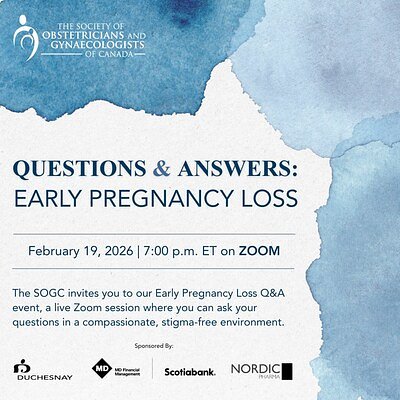
To further bridge the gap between expert knowledge and public understanding, the SOGC is hosting two live, interactive public events this month. These virtual Q&A sessions will bring together OB-GYNs and women with personal experience to discuss two often misunderstood topics: early pregnancy loss and menopause. The goal is to create a safe, accessible forum where individuals can ask questions and receive trustworthy answers.
- SOGC Early Pregnancy Loss Q&A: Thursday, Feb. 19 at 7 p.m. ET
- SOGC Menopause Q&A: Tuesday, Feb. 24 at 7 p.m. ET
These initiatives are part of a broader movement to bolster health literacy, with organizations like the Women's Health Collective Canada (WHCC) and the youth-led platform missINFORMED also working to create accessible, intersectional resources to empower Canadian women.
The Battle for a Safer Digital Space
The fight against health misinformation extends beyond individual education to the very architecture of the internet. There is growing pressure on social media companies and a push for government regulation to address the systemic spread of harmful content. In Canada, this has taken the form of Bill C-63, the Online Harms Act, introduced in February 2024. The proposed legislation aims to create a Digital Safety Commission to hold platforms accountable for mitigating risks, with a focus on protecting children and combating hate speech.
However, critics point out that actions by tech giants can sometimes exacerbate the problem. Meta's decision to block news content in Canada in response to the Online News Act has been criticized for creating an information vacuum, making it easier for unverified sources and outright falsehoods to fill users' feeds. This stands in contrast to regulatory efforts in the European Union, where the Digital Services Act (DSA) imposes stricter obligations on large platforms to analyze and mitigate systemic risks, including threats to public health and gender-based violence.
The emergence of artificial intelligence adds another layer of complexity. Studies have shown AI chatbots can be significantly inaccurate when answering sexual health questions, and the potential for AI-generated disinformation is a growing concern for health advocates. As the digital landscape continues to evolve, the battle to ensure evidence-based information prevails over harmful falsehoods remains one of the most critical public health challenges of our time.