
- 75% of Americans believe they would experience clear symptoms if something were wrong with their vision, leaving millions vulnerable to irreversible sight loss.
- Only 2% of respondents were aware that a dilated eye exam can detect systemic health conditions like diabetes and heart disease.
- 25% of adults admitted it had been three to five years—or even longer—since their last comprehensive eye exam.
Experts emphasize that many serious eye diseases develop silently, causing irreversible damage before symptoms appear, and stress the critical importance of regular eye exams for early detection and prevention.
Silent Sight Risks: Why Americans Don't See Eye Disease Coming
CHICAGO, IL – April 28, 2026 – A staggering three-quarters of Americans believe they would experience clear symptoms if something were wrong with their vision, a dangerous misconception that leaves millions vulnerable to irreversible sight loss. This startling finding from a new national survey has prompted Prevent Blindness, the nation’s leading eye health advocacy organization, to launch an ambitious multimedia campaign designed to shift public perception and save sight before it’s too late.
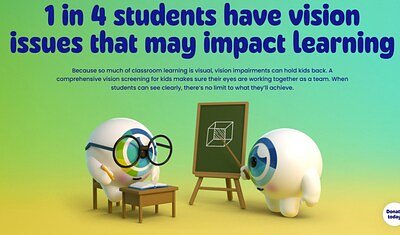
Many of the most serious and sight-stealing diseases, including glaucoma, diabetic retinopathy, and age-related macular degeneration, often develop silently, causing significant damage long before a person notices a change in their vision. This gap between public belief and medical reality is the focus of the new “Best Eyes for Life” campaign, which introduces a pair of animated characters, “Iris and Cornelius,” to make eye health education accessible, engaging, and urgent for all ages.
A Nation Blind to Risk
The recent survey, conducted by Researchscape International on behalf of Prevent Blindness, polled over 1,000 U.S. adults and painted a concerning picture of public knowledge. Beyond the false sense of security about symptoms, the data revealed a cascade of misunderstandings and inaction regarding eye care.
Perhaps most alarmingly, while 72 percent of respondents knew a dilated eye exam could detect eye diseases, a mere 2 percent were aware it can also serve as a critical window into overall systemic health, helping to detect conditions like diabetes, high cholesterol, brain tumors, and heart disease. This disconnect highlights a missed opportunity for early intervention in life-threatening illnesses.
Other key findings underscore the depth of the problem:
- Unreliable Sources: Nearly a quarter (24 percent) of respondents reported getting their eye health information from the internet or social media, platforms often rife with misinformation.
- Risky Habits: Almost half (47 percent) were unaware that common practices like swimming while wearing contact lenses can lead to severe eye damage and infections.
- Delayed Care: A full 25 percent of adults admitted it had been three to five years—or even longer—since their last comprehensive eye exam, a critical lapse in preventative care.
These statistics confirm what many ophthalmologists and public health experts have long feared: a significant portion of the population is operating under outdated or incorrect assumptions. The common myth that having 20/20 vision equates to having perfectly healthy eyes persists, when in reality, a person can have perfect visual acuity while a silent disease progresses in the background. The new campaign aims to dismantle these myths by delivering clear, actionable information through channels where people are already consuming content, including streaming services and digital platforms.
The High Cost of Unseen Problems
The consequences of this widespread knowledge gap extend far beyond individual health, imposing a massive economic and social burden on the nation. According to data from the Centers for Disease Control and Prevention (CDC), more than 7 million Americans are already living with vision loss or blindness. The economic toll is immense, with studies estimating the annual cost of vision disorders in the U.S. at over $134 billion, factoring in direct medical expenses, nursing home care, and lost productivity.
This figure is projected to skyrocket to $373 billion by 2050 if current trends continue. The social cost is just as profound, impacting quality of life, increasing the risk of falls and other injuries, and contributing to social isolation. Visually impaired adults are significantly less likely to be employed and often face a lifetime of challenges that could have been mitigated.
What makes this situation particularly tragic is that much of this loss is preventable. Experts estimate that 90 percent of all eye injuries can be avoided with proper protective eyewear. Furthermore, early detection and timely treatment can prevent or delay vision loss from many leading eye diseases.
"Untreated childhood conditions such as amblyopia (lazy eye) and myopia can impede learning, and eye diseases such as cataract, age-related macular degeneration, diabetes-related eye disease and glaucoma can lead to significant vision loss later in life," said R.V. Paul Chan, MD, MSc, FACS, a member of the Prevent Blindness Board of Directors. "It is important that every individual understands the importance of how eye and vision care today saves sight for tomorrow."
A New Vision for Public Health Education
To combat this crisis of awareness, Prevent Blindness is moving away from traditional, sterile health warnings and embracing a more creative approach. The "Best Eyes for Life" campaign is built around the idea of treating your eyes as your best friends, deserving of care and attention.
"With this new initiative, we're encouraging everyone to think of their eyes as their 'besties' and learn the simple steps we can take to care for them," said Jeff Todd, president and CEO of Prevent Blindness. "Our 'Best Eyes for Life' campaign delivers positive, empowering messages about the importance of proactively caring for our eyes today so we can live our best lives tomorrow."
The campaign's animated duo, Iris and Cornelius, will guide audiences through relatable scenarios, focusing initially on three key pillars of eye health: the role of nutrition, the necessity of eye protection during sports and at home, and the critical link between healthy vision and a child's success in school.
This strategy aligns with a broader trend in public health, where organizations like the American Optometric Association and the American Academy of Ophthalmology are also launching innovative campaigns to capture public attention. The goal is not just to inform but to motivate action, breaking through the noise of modern media.
Prevent Blindness Vice President of Marketing, Sarah R. Hecker, explained that the campaign aims to help people feel a deeper connection to their vision. "A focal point of the 'Best Eyes for Life' campaign is to help people feel connected to their eye health and understand how it relates to overall health and mental well-being," she stated. The organization is inviting individuals and families to explore its library of trusted resources and find support for their eye health journey.
By framing eye care as a proactive and positive part of a healthy lifestyle, rather than a reaction to a problem, the campaign hopes to fundamentally change behavior and encourage millions to schedule the comprehensive eye exams that can save not only their sight but potentially their lives. For more information on the program and to access free resources, the public is encouraged to visit PreventBlindness.org.