
- $2.7 billion: Value of 12 cooperation agreements signed between Shanghai and Almaty.
- 200 companies: Number of institutions and enterprises participating in the Almaty-Shanghai Business Forum.
- $2.5 billion: Value of agreements signed in November 2024, indicating sustained investment.
Experts view this partnership as a strategic move to diversify Kazakhstan's economy beyond oil and gas, leveraging Shanghai's technological and financial expertise to transform Almaty into a high-tech, sustainable hub within Central Asia.
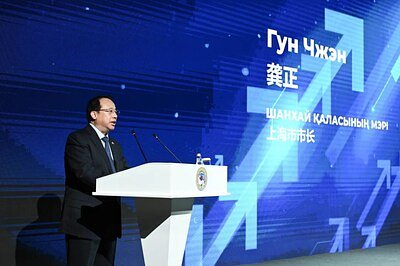
Shanghai and Almaty Forge $2.7 Billion Economic and Tech Corridor
ALMATY, Kazakhstan – April 20, 2026 – In a powerful display of deepening economic synergy, institutions and enterprises from Shanghai have signed 12 cooperation agreements with Kazakh partners valued at over $2.7 billion. The landmark deals, finalized during the Almaty-Shanghai Business Forum on April 7, signal a new era of strategic collaboration that extends far beyond traditional trade, venturing into high-technology, sustainable energy, and large-scale urban development.
The forum, which gathered approximately 200 companies and institutions from both nations, served as a platform to solidify a partnership that leverages Shanghai's financial muscle and technological prowess to fuel Almaty's ambitious development goals. Leading a visiting delegation, Shanghai Mayor Gong Zheng emphasized his city's commitment to creating a favorable business environment and fostering mutual investment, setting the stage for what is poised to become a critical economic artery in Central Asia.
A New Silk Road Artery: Detailing the Deals
The scope of the agreements is vast, reflecting a comprehensive and multi-faceted approach to economic partnership. The more than $2.7 billion in pledged investment and cooperation is not concentrated in a single area but spread across a wide spectrum of crucial sectors. These include trade and investment, biopharmaceuticals, advanced auto manufacturing, construction and architectural design, hotel management, and the development of modern commercial complexes.
This diverse portfolio underscores a strategic move to build resilient and integrated economic ties. The involvement of major Shanghai-based players like SAIC Group in the automotive sector and YTO Express in logistics points to concrete plans for enhancing industrial capacity and streamlining cross-border commerce. The focus on logistics is particularly significant, as it aims to establish modern hubs and distribution centers that will improve e-commerce infrastructure and solidify Kazakhstan's role as a vital transit link between Asia and Europe.
Shanghai's goal is to enhance cooperation in finance, machinery manufacturing, and green energy, helping its companies establish a stronger foothold in the Kazakh market. As Mayor Gong Zheng articulated at the forum, Shanghai is dedicated to supporting companies investing in each other's markets, with a special focus on high-growth sectors like “green energy, artificial intelligence, and advanced manufacturing.” This builds upon a steady trend of increasing Chinese investment in the region, including a series of agreements worth $2.5 billion signed in November 2024, signaling sustained confidence and long-term commitment.
Beyond Resources: Almaty's High-Tech Transformation
For Almaty and Kazakhstan, this partnership represents a pivotal step in a national strategy to diversify the economy beyond its traditional reliance on oil and gas. The city is looking to Shanghai not just for capital, but for a blueprint on how to build a modern, innovation-driven metropolis. Almaty is actively studying Shanghai's world-renowned experience in integrated regional development and the implementation of advanced transportation solutions.
A key pillar of this transformation is the push into high technology. Almaty has ambitious plans to establish a fully functional artificial intelligence park, complemented by an expanding network of data centers. Shanghai's investment and expertise are seen as critical catalysts for this initiative, which aims to position Almaty as a leading tech hub in Central Asia. The cooperation in AI is not just about infrastructure; it's about building an ecosystem of innovation that can drive future economic growth.
Furthermore, the agreements will fuel Almaty's aspirations to become a premier international destination. The “Almaty mountain cluster project” is set to be developed into Central Asia's largest year-round tourist destination, built to international standards. Investment from Shanghai in hotel management and commercial complex development is directly aimed at supporting this vision, creating the world-class infrastructure necessary to attract global visitors. This strategic focus on tourism, technology, and green energy marks a clear and decisive pivot toward a more sustainable and diversified economic future for Kazakhstan's largest city.
Central Asia's Strategic Crossroads
The deepened partnership between Shanghai and Almaty carries significant geopolitical weight, reinforcing a key axis within China's broader Belt and Road Initiative (BRI). As the country where the BRI was first announced, Kazakhstan holds a place of special importance in the ambitious global infrastructure and development strategy. These new agreements serve to strengthen a vital economic corridor, enhancing connectivity and trade flows across the Eurasian continent.
By attracting investment from a global financial center like Shanghai, Kazakhstan is also skillfully navigating the complex geopolitical landscape of Central Asia. The collaboration enhances the nation's economic resilience and strengthens its position as a strategic crossroads, adeptly balancing relationships with various global and regional powers. This influx of Chinese capital and technology aids Kazakhstan’s integration with the Trans-Caspian International Transport Route, also known as the Middle Corridor, creating a synergistic network of trade routes that benefit the entire region.
The partnership allows Shanghai to export its considerable expertise in urban planning and advanced manufacturing while securing new markets for its companies. For Almaty, it provides the tools needed to modernize its infrastructure and economy. The mutual benefits are clear, with both cities leveraging the partnership to advance their respective strategic and economic goals. The official declaration of 2025 as the “Year of China in Kazakhstan” further underscores the high-level political will driving this relationship forward, promising even deeper collaboration in the years to come. As these ambitious projects move from agreements to implementation, they are set to tangibly reshape the economic landscape of Almaty and reinforce its role as a dynamic hub in the heart of Central Asia.