
- $1.45 billion: Shake Shack's total revenue for fiscal 2025
- 1,500 stores: New long-term target for company-operated locations in the U.S.
- 2.3%: Same-Shack sales growth for fiscal 2025
Experts would likely conclude that Shake Shack's strategic focus on culinary innovation, value offerings, and aggressive expansion—combined with strong unit economics—positions it for sustained growth despite economic challenges.
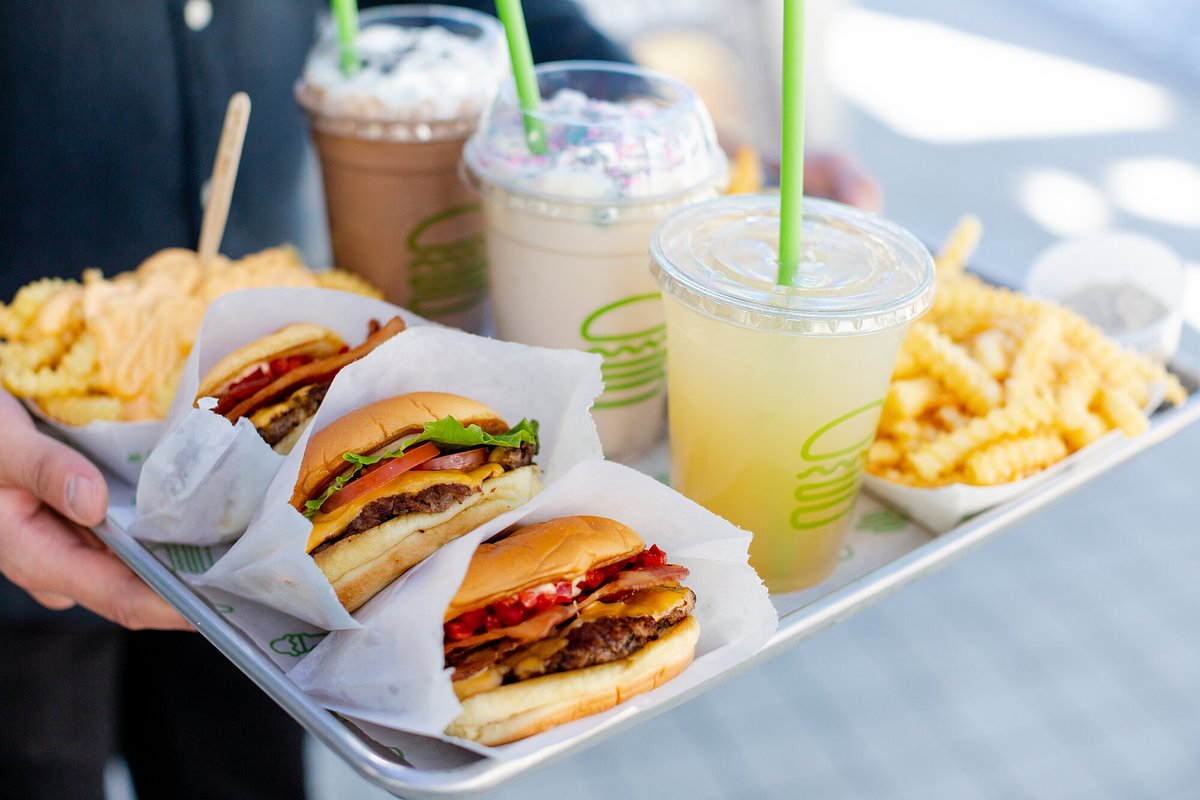
Shake Shack Eyes 1,500 Stores, Defying Economic Headwinds
NEW YORK, NY – January 12, 2026 – Shake Shack Inc. (NYSE: SHAK) today signaled a period of aggressive expansion and projected continued growth for 2026, brushing aside macroeconomic pressures and late-quarter weather disruptions that tested the resilience of the fast-casual sector. In a business update released ahead of its presentation at the 28th Annual ICR Conference, the company posted positive sales growth for the fourth quarter and full fiscal year 2025 and laid out ambitious plans that include a significant increase in its long-term store count target.
The preliminary unaudited results show total revenue for fiscal 2025 reaching $1.45 billion, with same-Shack sales—a key metric tracking sales at locations open for at least 24 months—rising 2.3% for the year and 2.1% in the fourth quarter. This performance comes as the company reaffirms its long-term vision, dramatically increasing its total addressable market forecast to over 1,500 company-operated locations in the U.S., a monumental leap from the 450-unit target set just a year prior.
Navigating a Challenging Climate
Shake Shack’s leadership acknowledged the difficult operating environment, a common theme across the restaurant industry. CEO Rob Lynch noted that "Shake Shack team members have delivered strong 2025 business results despite a challenging macroeconomic environment." This environment has been characterized by persistent inflation and a more cautious consumer, particularly among lower-income households, leading many to "trade down" to cheaper options or eat at home more often.
The fourth quarter, while positive overall, was not without its hurdles. "In 4Q25, our same-Shack sales grew sequentially throughout the quarter. However, the last six weeks of the quarter did not meet our expectations due to inclement weather in some of our most heavily penetrated markets like the Northeast," Lynch stated. Despite this, the company still managed to deliver both positive same-Shack sales and, critically, positive customer traffic for the quarter. This ability to attract more guests, even during a period of consumer caution and disruptive weather, underscores the brand's enduring appeal.
Industry analysts have noted that while many premium fast-casual brands have struggled with softer demand, Shake Shack's ability to maintain positive traffic, even when adjusted for weather, suggests its strategic initiatives are resonating with its customer base.
The Strategy for Growth: Innovation and Value
The company attributes its resilience to a multi-pronged strategy focused on culinary innovation, strategic value offerings, and increased marketing. According to Lynch, these results "can be attributed to our culinary innovation, like the ‘Big Shack’, our strategic value platforms like our ‘$1,$3,$5’ in-app promotion, and the increase in traffic and brand awareness generated by our media investments."
The 'Big Shack,' a larger burger format, directly addresses consumer desire for more substantial offerings, while the tiered pricing promotion available through its mobile app targets value-conscious diners without resorting to deep, margin-eroding discounts across the entire menu. This digital-first value strategy is crucial in a market where competitors are also vying for the attention of budget-minded customers. By driving customers to its app, Shake Shack not only secures a sale but also gathers valuable data and fosters loyalty.
This approach of balancing premium brand identity with accessible value is becoming a key differentiator in the crowded fast-casual space. While competitors like CAVA and Chipotle have also seen strong growth, Shake Shack's specific blend of menu excitement and targeted promotions appears to be an effective formula for navigating the current economic landscape.
Building the Future: Aggressive Expansion and Margin Focus
The most striking element of the update is the sheer scale of Shake Shack's ambition. The company opened 45 new company-operated restaurants in 2025, bringing its total to 373, and plans to accelerate that pace with 55 to 60 new locations slated for 2026. This is part of a larger vision to more than quadruple its current footprint to over 1,500 company-operated Shacks. Lynch confirmed the company currently has "the largest pipeline of new Shacks in the Company’s history."
This aggressive growth is supported by strong unit economics, with new locations historically generating average unit volumes (AUVs) well over $4 million. To sustain this momentum and profitability, the company is intensely focused on the financial performance of each new build. "We continue to improve our returns on these Shacks by expanding operating margins, decreasing build costs, and most importantly, growing sales," Lynch explained. Initiatives to reduce build costs by at least 10% and optimize kitchen layouts are designed to make each new restaurant more efficient and profitable from day one.
However, this rapid scaling is not without significant challenges. The restaurant industry continues to grapple with a tight labor market and rising wages, which could complicate staffing for dozens of new locations annually. Furthermore, securing prime real estate in a competitive market remains a hurdle. Shake Shack is addressing the labor issue head-on, with Lynch concluding his outlook by stating, "we will continue to invest in our team member development to support our rapid restaurant growth."
The Bottom Line: Financial Health and Future Outlook
Financially, Shake Shack is forecasting continued strength. For fiscal 2026, the company projects total revenue between $1.6 billion and $1.7 billion and a restaurant-level profit margin of 23.0% to 23.5%, an improvement over the estimated 22.5% to 22.7% margin in 2025. This margin expansion is a key focus, with the company targeting at least 50 basis points of improvement per year through 2027.
A critical factor in this financial picture is cost management, particularly concerning food costs. Lynch praised his team's efforts in a high-inflation environment, "most notably ongoing beef cost pressures." He credited supply chain initiatives for having "reduced costs, improved product quality, and meaningfully mitigated single-supplier risk." These efforts have helped blunt the impact of beef prices, which were up by a mid-teens percentage year-over-year, allowing the company to project continued margin growth into 2026.
Looking ahead, Shake Shack's guidance for 2026 anticipates "positive LSD%" (low-single-digit percentage) same-Shack sales growth. While modest, this projection of continued growth on top of its rapid unit expansion paints a picture of a company confidently executing a long-term strategy. As Lynch concluded, "Long term, as we continue to accelerate and profitably scale our business, we expect that we will gain even more leverage, particularly on the G&A line." This focus on scaling efficiently will be paramount as Shake Shack works to transform its cult-brand status into a dominant national presence.