
- 830% increase in seizures of illegal cell jammers since 2021 (DHS)
- Multi-layered defense combining JamAlert™ detection and TamperShield™ monitoring
- Proactive response with video verification and law enforcement escalation
Security experts agree that anti-jamming technology represents a critical advancement in commercial security, shifting from reactive to proactive defense against sophisticated criminal tactics.
Security Firms Combat 'Silent' Break-Ins with Anti-Jamming Tech
ST. LOUIS, MO – March 11, 2026 – In a direct response to a growing and sophisticated threat, managed service provider Interface Systems has announced a significant enhancement to its commercial security offerings. The company is integrating advanced cellular jammer detection into its alarm monitoring service, creating a proactive defense system designed to stop high-tech burglaries before they can even begin.
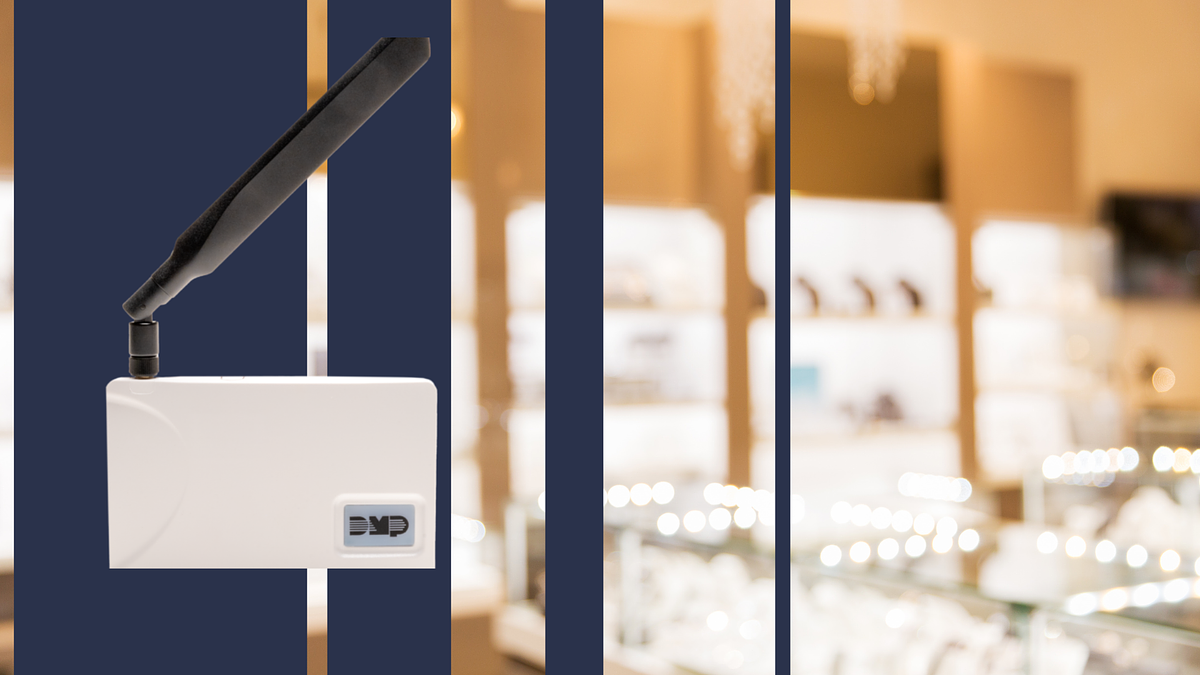
The new solution combines JamAlert™, a device that detects cellular interference, with Interface's existing TamperShield™ service. This layered approach aims to unmask a tactic increasingly favored by criminals: the use of illegal cell jammers to create a “silent” environment for a break-in, where alarm signals are blocked and never reach monitoring centers.
The Rising Tide of a Silent Threat
Modern criminals are no longer relying solely on brute force. A new weapon has entered their arsenal: portable, inexpensive, and illegal cellular jamming devices. By broadcasting a powerful radio frequency signal, these jammers overwhelm and block the cellular communications that many commercial alarm systems rely on to report a breach. The result is a silent, undetected intrusion, leaving businesses vulnerable to catastrophic losses.
The scale of this problem is escalating rapidly. According to the Department of Homeland Security, seizures of illegal cell jammers have surged by an alarming 830% since 2021. This tactic has been successfully employed by organized burglary crews across the country, with states like Texas, Florida, and Illinois seeing notable activity. The primary targets are high-value enterprises such as jewelry stores, financial institutions, and museums, where the potential haul justifies the technological investment by thieves.
The impact is devastating. A business can have a state-of-the-art security system, but if its ability to communicate is severed, it becomes effectively useless. Thieves can enter, take their time disabling other physical barriers, and escape long before anyone is aware a crime has occurred. This vulnerability has created a critical gap in traditional security protocols, a gap that technology providers are now racing to close.
A New Layered Defense Against Jamming
Interface Systems' enhanced service tackles this problem head-on by creating a multi-layered, intelligent defense system. The solution’s strength lies in its ability to detect the attempt to compromise the system, rather than just the physical breach itself.
The first layer of this defense is JamAlert™, a specialized device developed by Digital Monitoring Products (DMP). Described as the industry's first dedicated cellular jamming detection module, it continuously scans a wide range of cellular frequencies. Using advanced algorithms, it distinguishes between normal network fluctuations and the tell-tale signs of a malicious jamming attempt. When jamming is detected, the device doesn't just go silent—it immediately triggers an alarm at the site, which can activate sirens and lights, and sends an alert to the control panel and monitoring center.
This is where the second layer, Interface’s proprietary TamperShield™ service, comes into play. TamperShield continuously monitors the alarm panel’s “heartbeat,” a regular check-in signal sent to the company's Interactive Security Operations Center (iSOC). By integrating JamAlert's signal, an alert about jamming activity is immediately paired with video verification from on-site cameras. Security professionals at the iSOC can visually confirm if the jamming alert is accompanied by suspicious activity, such as a vehicle loitering in a parking lot after hours.
This combination of early electronic detection and live video verification enables a much faster and more accurate response. If a credible threat is confirmed, operators can escalate immediately, dispatching law enforcement, notifying business staff, and even using “voice-down” technology through on-site speakers to directly address and deter the would-be intruders.
“TamperShield with JamAlert provides early visibility into sophisticated break-in attempts,” said Steve Womer, SVP of Product at Interface Systems. “Instead of discovering interference after a break-in, we can identify a jamming attempt as it begins, verify activity through video monitoring, and respond quickly. This proactive approach helps deter crime and reduce loss.”
The Evolving Security Technology Arms Race
The introduction of dedicated anti-jamming solutions for commercial alarms marks a significant step in the ongoing technological arms race between criminals and the security industry. While anti-jamming technology has existed for years in military and aerospace applications, particularly for protecting GPS signals, its adaptation for the commercial security market addresses a more recent and specific vulnerability.
This solution highlights a crucial industry trend: the move away from reactive systems that only report a completed event (like a broken door sensor) toward proactive, intelligent systems that detect preparatory actions. The focus is shifting to prevention and deterrence.
A key factor in the potential for widespread adoption is the system's compatibility. The JamAlert module is designed to integrate not only with DMP panels but also with widely installed Honeywell intrusion systems. This allows businesses to enhance their existing security infrastructure without the prohibitive cost and disruption of a complete system overhaul, making advanced protection more accessible.
Protecting Assets and Ensuring Business Continuity
For businesses, the implications of this technology extend beyond simply preventing theft. A successful break-in can lead to operational downtime, reputational damage, and complex insurance claims. By stopping an intrusion before it happens, these new systems contribute directly to business resilience.
The market for such advanced solutions is driven by a clear need. High-value retailers, including a national jewelry chain already deploying TamperShield, are prime candidates for adoption. The financial incentive is becoming even clearer as the insurance industry takes notice. Some insurance providers are beginning to acknowledge jamming as a specific risk and may offer premium reductions or improved terms for businesses that implement certified jamming detection technology.
This shift reflects a broader trend toward integrated security ecosystems where multiple technologies—intrusion detection, video surveillance, access control, and network monitoring—work in concert. As physical security devices become more connected through the Internet of Things (IoT), they create a wealth of data that, when analyzed correctly, can provide predictive insights and enable automated, proactive responses to emerging threats. The fight against cellular jamming is a clear example of how the security industry is evolving to meet the challenges of an increasingly connected and complex world.