
- 70+ clubs in the DPL will gain access to advanced analytics and video tools.
- The global AI in Sports sector is projected to grow from $2.6 billion in 2023 to over $36 billion by 2033.
- SciSports will provide objective performance data for every match, transforming player development and talent identification.
Experts view this partnership as a groundbreaking step toward equitable player development, leveraging data analytics to enhance talent identification, coaching feedback, and injury prevention in girls' youth soccer.
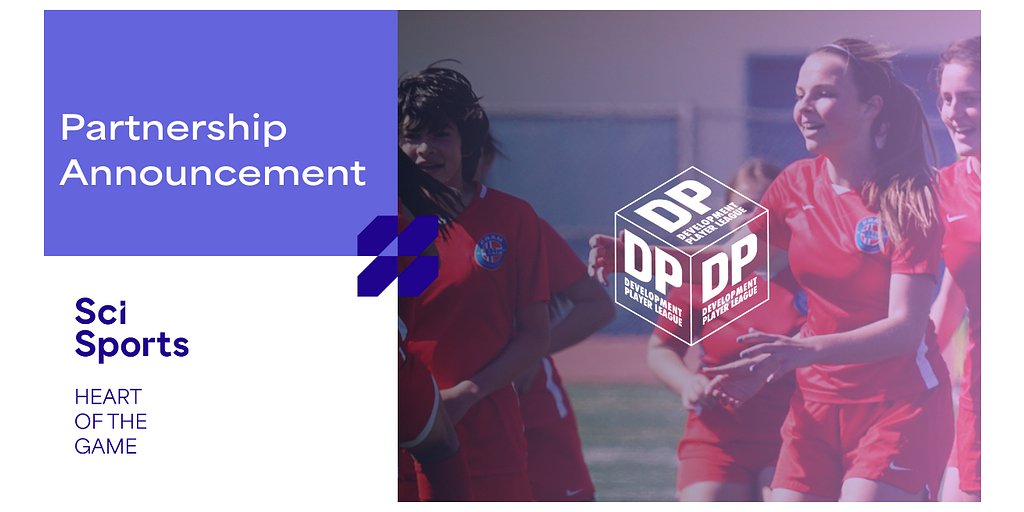
SciSports & DPL Deal to Revolutionize Girls' Youth Soccer Analytics
FRISCO, Texas – January 08, 2026 – A landmark collaboration is set to bring the data revolution to the forefront of girls' youth soccer in the United States. The Development Player League (DPL), a national all-girls league, has announced an exclusive partnership with the Dutch sports analytics firm SciSports, naming it the league's official analytics partner. The move signals a significant shift in youth sports, promising to equip thousands of aspiring female athletes with the kind of sophisticated performance data and video analysis tools typically reserved for professional clubs and top-tier collegiate programs.
This partnership will integrate advanced match analysis, synchronized video, and comprehensive player profiles across all DPL showcases and events. For the league's 70-plus clubs and their players, this means that every match becomes a rich source of objective data, transforming post-game analysis and fundamentally altering the landscape of player development and talent identification.
The Analytics Revolution Arrives on the Pitch
At the heart of the collaboration is the goal of turning every game into a series of teachable moments. SciSports will have an on-site presence at DPL events, capturing and processing match footage. Every competing club will gain access to this data through SciSports’ analysis tools, allowing coaches and players to move beyond subjective feedback and traditional video review.
Coaches can now dissect key moments in depth, create and share playlists highlighting tactical execution or areas for improvement, and structure feedback sessions around objective evidence. For players, this means a clearer understanding of their performance, from positioning and pass completion to defensive actions and offensive contributions. The research in youth sports development suggests this approach fosters greater self-awareness and accelerates learning, as players can visually connect coaching instruction to their on-field actions.
“At SciSports, we put athletes at the heart of the game,” said Vincent van Renesse van Duivenbode, CEO of SciSports, in a statement. “This exclusive collaboration with the DPL brings professional grade analysis into an elite environment where standards are high and development is intentional. By connecting data and video in a way that is simple to use, we help players and coaches turn matches into learning moments and make talent more visible through performance.”
This integration ensures that every club within the DPL framework, regardless of its individual budget or resources, has access to a consistent and powerful analytical framework. SciSports will lead onboarding for coaches and staff through webinars and direct guidance, aiming to ensure widespread adoption and effective use of the technology.
Redefining Recruitment and Player Pathways
Beyond individual development, the partnership is poised to dramatically impact player visibility and the recruitment process. For decades, scouting has relied on in-person evaluations and word-of-mouth, processes that can be influenced by bias or the luck of being in the right place at the right time. By creating detailed player profiles built from real match performance, SciSports and the DPL are introducing a powerful layer of objective assessment.
These profiles, which connect data points directly to video clips, will provide college recruiters and scouts with a more holistic and verifiable picture of a player's abilities. An athlete's profile can showcase her consistency over multiple games, her specific playing style, and her strengths in ways a single showcase performance might not. This is particularly crucial in the DPL, which is widely recognized as a key proving ground for players aspiring to compete at the highest levels of youth soccer, such as the Girls Academy (GA), and ultimately in college.
Barry Ritson, President of the Development Player League, commented on this potential. “Proud to announce an exclusive collaboration... This partnership enhances our showcases and events by giving competing clubs access to their match data and video,” he said. “Excited for what this means for our players, coaches, and clubs as we continue to raise the standard of girls soccer.”
By systematically capturing performance data, the league is creating a more equitable system for talent identification, where a player's skill can be demonstrated through metrics, not just moments. This increased discoverability can open doors for athletes who might have otherwise been overlooked.
A Strategic Play in a Burgeoning Market
This exclusive deal is also a significant strategic maneuver for SciSports within the rapidly expanding sports technology market. The global AI in Sports sector is projected to grow from approximately $2.6 billion in 2023 to over $36 billion by 2033, and the youth sports segment represents a massive, largely untapped frontier. By embedding its technology within a prominent national league like the DPL, SciSports secures a major foothold in the American girls' soccer landscape.
The move places the company in a competitive field that includes established names like Hudl and specialized soccer tech firms such as Trace and Veo. Notably, the DPL already has a partnership with Veo for its AI-powered camera technology. However, the exclusive designation as the “official analytics partner” suggests a deeper, more integrated role for SciSports, focusing on the sophisticated interpretation and application of data, rather than just its capture. This partnership serves as a powerful case study, demonstrating the company's ability to scale professional-grade analytics for a developmental league, a model it could replicate across other sports and regions.
Closing the Data Gap and Elevating the Women's Game
Perhaps the most profound impact of this collaboration lies in its potential to address a long-standing issue in sports science: the data gap. Historically, performance metrics, training protocols, and even equipment have been designed and tested primarily on male athletes. This has left female athletes underserved, with training and development models that don't always account for physiological differences, from muscle composition to injury propensity, such as the higher rates of ACL tears in women.
By introducing sophisticated data collection and analysis at a crucial developmental stage, this partnership begins to build a rich dataset specifically for female youth athletes. This can lead to more tailored training regimens, smarter injury prevention strategies, and a deeper understanding of what drives performance in the girls' game. Providing young women with the same analytical tools that have been available to their male counterparts is a tangible step toward greater equity in sports.
Ultimately, this fusion of elite youth competition and sophisticated data analytics is more than a business deal; it is an investment in the future of the sport. By equipping the next generation of female athletes with tools previously reserved for the highest professional ranks, the DPL and SciSports are not just tracking performance—they are actively shaping a more equitable, informed, and competitive landscape for girls' soccer in the years to come.