
- $22 billion: Global photo printing market value, projected to grow steadily.
- 60% reduction: Belharra printer achieves an average 60% reduction in environmental impact compared to silver halide counterparts.
- 2023 acquisition: Kyocera acquired NIXKA S.A.S. in April 2023, merging expertise to develop the Belharra system.
Experts would likely conclude that Kyocera's Belharra printer represents a significant advancement in sustainable photo printing, offering a viable alternative to traditional silver halide processes with proven environmental benefits and industrial efficiency.
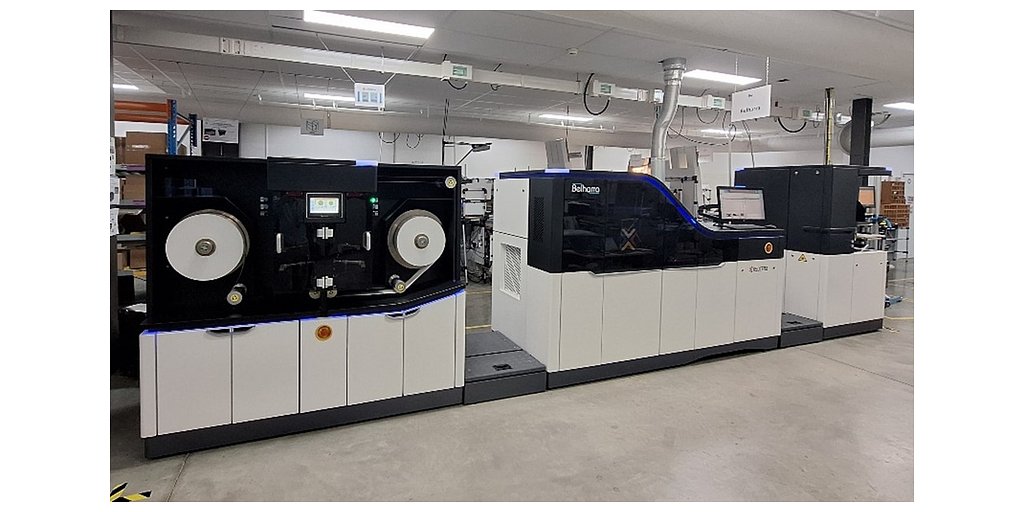
Kyocera's Belharra Printer Aims to Green the Photo Industry
AUBAGNE, France – January 08, 2026 – KYOCERA NIXKA Inkjet Systems (KNIS), a group company of the global technology giant Kyocera, has officially launched its ‘Belharra’ industrial inkjet photo printer worldwide. The move follows a successful beta installation and positive reception in Europe, positioning the system as a formidable, eco-conscious challenger to the long-standing dominance of traditional silver halide photo processing.
The Belharra printer enters a burgeoning global photo printing market valued at over $22 billion and projected to grow steadily. It aims to solve a critical dilemma for industrial print providers: how to meet rising consumer demand for physical photos in an era of heightened environmental awareness. By offering a solution that promises to reduce environmental impact without sacrificing quality or economic viability, Kyocera is making a significant bid to redefine the standards of mass-market photo production.
A Green Wave in a Chemical-Heavy Industry
For decades, the vibrant colors and sharp details of professionally printed photographs have been synonymous with silver halide, a process reliant on light-sensitive paper and a series of chemical baths for development. While effective, this method carries a substantial environmental cost, involving significant water and energy consumption, as well as the management of chemical effluent. The Belharra system is engineered to directly address these shortcomings.
At the core of its value proposition is a dramatic reduction in environmental impact. Citing a recent Life Cycle Assessment (LCA) commissioned by its European beta partner, Photoweb, KNIS claims the Belharra process achieves an average 60% reduction in environmental impact compared to its silver halide counterparts. This breakthrough is accomplished through a multi-faceted, eco-efficient design.
The printer utilizes water-based inks, which drastically reduce the emission of volatile organic compounds (VOCs) common in other ink types. This, combined with significantly lower energy consumption and a smaller physical footprint, presents a compelling case for print providers facing stricter environmental regulations and growing corporate social responsibility mandates. The system is designed to minimize waste throughout the production workflow, a stark contrast to the resource-intensive setup and chemical usage inherent in traditional wet labs.
This focus on sustainability aligns perfectly with a broader market shift. As consumers increasingly favor eco-friendly products and services, the ability to offer sustainably printed photos becomes a powerful market differentiator. Belharra enables print providers to transition away from what the company describes as "old, costly, and polluting silver halide equipment," offering a modern pathway to a cleaner production cycle.
Redefining Production with Digital Precision
Beyond its environmental credentials, the Belharra printer is built for the rigors of modern, high-volume industrial printing. Its development was not conducted in a vacuum; KNIS engaged in extensive discussions with a wide range of industry stakeholders, including customers, finishing equipment partners, and paper mills, to ensure the final product would meet real-world operational needs.
The result is a system that emphasizes industrial-grade reliability and seamless integration. For businesses, this translates to reduced downtime and the ability to incorporate the printer into existing production environments with minimal disruption. It boasts high precision and outstanding print consistency, critical factors for brands and consumers who expect uniform quality across large batches of prints, from individual photos to complex photobooks.
This digital approach offers inherent flexibility that traditional analog processes lack. It allows for on-demand production, which helps minimize over-production and associated waste. By combining this operational efficiency with what KNIS asserts are competitive running costs, the Belharra presents a strong return-on-investment argument for print providers looking to upgrade their technological infrastructure.
“After a highly positive market response in Europe, expanding to the international market was the natural next step," said Jean-Marc Pasturel, Sales and Marketing Director at KNIS. "Belharra proves that high-quality photo printing can go hand in hand with sustainability. The technology has demonstrated high reliability and running cost efficiency in true industrial conditions.”
A Strategic Play in a Shifting Global Market
The worldwide launch of Belharra is a calculated and strategic move for Kyocera, representing a key milestone in its long-term vision for the industrial inkjet market. The acquisition of French firm NIXKA S.A.S. in April 2023, which was then rebranded as KYOCERA NIXKA Inkjet Systems, was instrumental. It merged Kyocera’s world-class expertise in high-speed inkjet printhead technology with NIXKA’s proven capabilities in designing and integrating complete print engine systems.
Belharra is the tangible result of this synergy, a product that leverages Kyocera's core components within a sophisticated, market-ready system. This launch solidifies the company’s expansion from a component supplier to a provider of comprehensive, integrated solutions for the commercial and industrial printing sectors.
The timing is opportune. The photo printing market, far from being obsolete, is adapting to the digital age. The proliferation of smartphones has created an unprecedented volume of images, and a significant portion of consumers still desire tangible prints as keepsakes and personalized gifts. Online platforms and mobile ordering have made it easier than ever to turn digital files into physical products, driving growth in segments like photo books, calendars, and wall art.
With multiple installations already planned across North America and the Asia Pacific region starting in early 2026, Kyocera is positioning Belharra to capture a significant share of this evolving market. The system’s dual appeal of ecological responsibility and industrial efficiency makes it a compelling option for businesses in these key growth regions, enabling them to cater to the modern consumer’s desire for quality, personalization, and sustainability.