
- 12 GW Factory: Nextpower Arabia will build a 12 GW solar manufacturing facility in Jeddah.
- 50% Renewable Target: Saudi Arabia aims to generate 50% of its electricity from renewable sources by 2030.
- 2,000 Jobs: The joint venture is expected to create up to 2,000 jobs, with 600 at the Jeddah facility.
Experts view this joint venture as a critical step in accelerating Saudi Arabia's renewable energy transition, aligning with Vision 2030 and strengthening the regional solar supply chain.
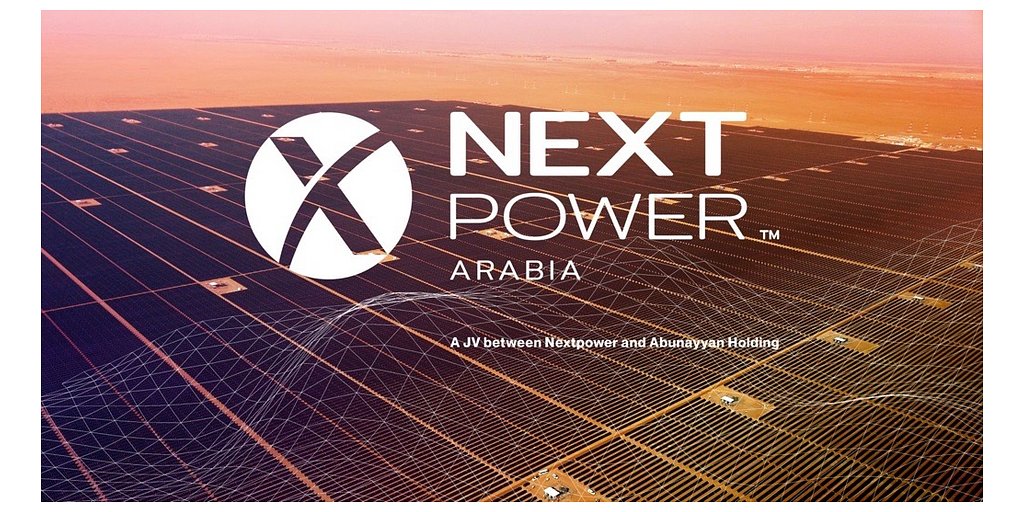
Saudi Solar Surge: Nextpower JV to Build 12 GW Factory for Vision 2030
RIYADH, Saudi Arabia – January 12, 2026
In a landmark move set to reshape the Middle East's renewable energy landscape, U.S.-based solar technology leader Nextpower and Saudi industrial giant Abunayyan Holding have finalized their joint venture, Nextpower Arabia. The Riyadh-headquartered entity is not just a new name in the market; it represents a strategic commitment to accelerate the region's energy transition, anchored by the announcement of a new advanced manufacturing facility in Jeddah.
The joint venture will manufacture Nextpower’s portfolio of advanced solar tracking systems, which optimize the energy output of solar panels by following the sun's path. This partnership combines Nextpower’s global technology leadership with Abunayyan Holding’s 75 years of deep-rooted regional expertise in energy and water infrastructure, creating a powerful force aimed at supporting national and regional Net Zero targets.
Powering the Kingdom's Vision 2030
The formation of Nextpower Arabia arrives at a critical juncture for Saudi Arabia. The Kingdom's ambitious Vision 2030 economic diversification plan includes a monumental goal: generating 50% of its electricity from renewable sources by 2030. While progress is underway, with renewable capacity growing over 300% since 2022, a significant gap remains. As of late 2023, renewables accounted for just over 2.7 GW of installed capacity, a fraction of the 58.7 GW solar target set for the end of the decade.
The new Jeddah facility is designed to directly address this challenge. Slated to open in the second quarter of 2026, the 42,000-square-meter plant is projected to have a manufacturing capacity of up to 12 gigawatts (GW) per year. This massive output capability is poised to become a key engine for Saudi Arabia's National Renewable Energy Program (NREP), enabling the rapid, large-scale deployment of utility-scale solar projects needed to meet the 2030 deadline.
"Making energy and water supply readily accessible, sustainable, and affordable is essential to the continued economic and social development of Saudi Arabia and our partners across the region," said Khalid Abunayyan, Chairman of Abunayyan Holding. "Partnering with Nextpower, a true pioneer in the international solar energy community, strengthens our role in advancing Saudi’s clean energy vision by localizing advanced manufacturing and technologies, building local capacity development, and creating lasting value for generations to come."
Forging a Resilient Local Supply Chain
Beyond sheer capacity, the joint venture represents a strategic move to localize the clean energy supply chain, a core tenet of Saudi industrial policy. The Kingdom's Local Content Requirements (LCRs) mandate that a growing percentage of project components and services must be sourced domestically. For solar projects, this threshold is set at 33-35% for 2024-2025 and is expected to rise to 40-45% by 2028.
Nextpower Arabia is structured to meet and exceed these requirements. The Jeddah plant will not only assemble advanced tracker systems but will also source core materials, such as steel, from Saudi producers. This on-the-ground manufacturing capability is expected to enhance supply chain resilience, reduce project lead times, and ultimately lower the cost of clean energy.
Turki Al-Amri, who serves as CEO of Abunayyan Holding and will lead the new venture as Chairman and CEO of Nextpower Arabia, emphasized this strategic importance. "Our manufacturing facility represents the first step in our strategic vision to strengthen and localize the solar supply chain for our partners across the MENA region," he stated. "By sourcing core materials such as Saudi-produced steel through our strategic partners and manufacturing locally, we are supporting economic diversification and industrial growth that is at the foundation of Saudi Vision 2030."
This localization strategy also provides a competitive edge in a bustling market. As global players vie for a position in the burgeoning MENA solar sector, having a robust local manufacturing footprint is becoming a decisive advantage for securing major government and private sector tenders.
Cultivating a Skilled Workforce for a New Era
The economic impact of Nextpower Arabia extends deep into the Saudi workforce. The venture is projected to create up to 2,000 jobs, with the Jeddah facility alone employing up to 600 people in skilled technical and manufacturing roles. This initiative directly addresses another pillar of Vision 2030: human capability development.
Saudi Arabia faces a looming skills gap in the renewable energy sector, with studies estimating a need for over 100,000 skilled workers by 2030 to build out its planned capacity. The joint venture's commitment to "development of highly skilled technical and engineering capabilities" is therefore crucial. The initial investment of approximately $88 million (330 million Saudi Riyals) from the partners is earmarked not only for the factory's construction but also for building a world-class local talent pool.
This focus on talent development is vital for creating a sustainable knowledge-based economy that can thrive long after the oil reserves have diminished. By training local engineers and technicians in cutting-edge solar technology, the venture helps build a self-sustaining ecosystem of innovation and expertise within the Kingdom.
A Regional Hub for Solar Expansion
While the immediate focus is on powering Saudi Arabia's transformation, the vision for Nextpower Arabia extends across the Middle East and North Africa (MENA). The region is a hotbed for solar development, with the Middle East Solar Industry Association (MESIA) projecting that regional solar capacity could exceed 180 GW by 2030.
Nextpower is no stranger to the region, with over 6 GW of its trackers already installed or under fulfillment in projects across the Middle East and Africa. This includes landmark Saudi developments like the 405 MWp Sakaka Solar Park—the Kingdom's first utility-scale solar project—and the 1,170 MWp Al Kahfah project, as well as Phase V of the Mohammed Bin Rashid Al Maktoum Solar Park in the UAE.
Dan Shugar, founder and CEO of Nextpower, highlighted the strategic logic of the partnership. “Saudi Arabia is a strategic market for Nextpower as we expand our ability to serve customers across the Middle East," he said. "The Kingdom is making significant progress in advancing the energy transition, and we’re proud and honored to support these monumental initiatives with proven solar technology and trusted local partnerships."
By combining Nextpower's battle-tested technology platform with Abunayyan Holding's extensive regional network and operational prowess, Nextpower Arabia is positioned not just as a manufacturer, but as a comprehensive solutions provider for the entire MENA region. The initial $88 million in funding from equity and debt financing is the first step in building out this state-of-the-art manufacturing capability and developing the skilled talent needed to power what's next for the Middle East's energy future.