
- 31-point confidence gap: 75% of HR professionals believe employees are paid fairly, but only 44% of employees agree.
- Gender wage gap narrowed: Progress in Boston, but racial wage gap persists and widens.
- 50% of organizations lack formal job architecture: Only half have a structured system for defining roles and pay.
Experts would likely conclude that measurable progress in pay equity requires structural solutions, not just declarative commitments, with formal job architecture being a critical foundation for trust and fairness.
Salary.com's Pay Equity Award Reveals a Deeper Truth: Trust is Built on Structure
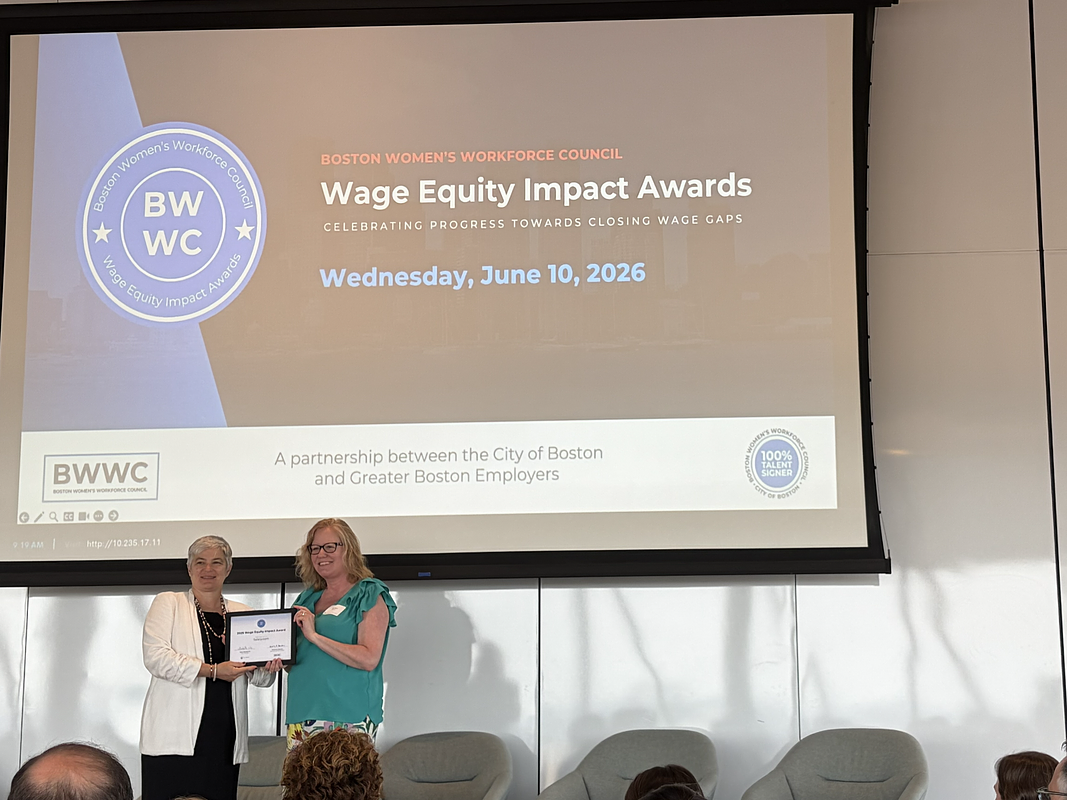
WALTHAM, Mass. – June 11, 2026 – When a company that sells tools for building fair pay systems wins an award for its own internal pay equity, it’s worth paying attention. Salary.com, a global leader in compensation data and software, was just honored with the 2026 Wage Equity Impact Award by the Boston Women's Workforce Council (BWWC) and Mayor Michelle Wu. The recognition isn't for a new product, but for the company’s measurable progress in closing its own wage gaps.
In a world awash with corporate pledges, this award stands out. It signals a company successfully using its own medicine. As Chief Human Resources Officer Amy Dwyer, who accepted the award, noted, “Receiving the Wage Equity Impact Award is especially rewarding because it reflects our commitment to applying the same principles internally that we advocate for with customers every day.” This move from vendor to exemplar provides a critical case study in the fight for equitable pay, revealing that the most potent solutions are often structural, not merely declarative.
Beyond Intent: The Anatomy of "Measurable Progress"
The Wage Equity Impact Award is not a participation trophy. It’s the result of a rigorous, data-driven process managed by the BWWC, a unique public-private partnership dedicated to eliminating gender and racial wage gaps in the Greater Boston area. Companies like Salary.com, which joined the BWWC’s 100% Talent Compact in 2022, voluntarily submit their anonymized payroll data for analysis.
Using a secure platform developed with Boston University's Hariri Institute for Computing, the BWWC aggregates this data to produce an accurate, community-wide snapshot of wage disparities—a first-in-the-nation approach. This allows the council to move beyond platitudes and identify organizations making tangible gains.
“The Wage Equity Impact Award recognizes organizations across Greater Boston that are moving beyond intent and demonstrating measurable progress toward closing wage gaps," said Kim Borman, Executive Director of the Boston Women's Workforce Council. “Recipients share a commitment to examining data, strengthening internal practices, and advancing accountability in ways that create lasting change.”
While the BWWC’s latest data shows some progress—the gender wage gap in Boston has narrowed—it also reveals a persistent and widening racial wage gap. This stark reality underscores the importance of celebrating and dissecting the successes of companies like Salary.com to find replicable strategies.
The 31-Point Confidence Gap
Perhaps the most compelling insight from this story comes from Salary.com's own research. The company's 2026 “State of Pay and Compensation Practices” report uncovered a staggering 31-point “confidence gap”: while nearly 75% of HR professionals believe employees at their organization are paid fairly, only 44% of employees agree.
This chasm between executive perception and employee reality is not unique to Boston. It’s a systemic issue reflecting a fundamental breakdown of trust in corporate compensation structures. Research from multiple sources confirms this trend, with some studies finding that a majority of employees believe they are underpaid even when their compensation is at or above market rates. This perception is a powerful force, directly impacting morale, engagement, and retention.
The core of the issue isn't just about the final number on a paycheck. It's about the perceived fairness of the process that produced it. Employees are no longer in the dark; they are armed with online data and a growing demand for transparency. When a company’s explanation for its pay practices is vague or non-existent, employees naturally fill the void with skepticism.
The Structural Fix: Why Job Architecture is the Bedrock of Trust
Salary.com’s award and its research point to the same conclusion: true pay equity and the trust it engenders are built on a solid, formal foundation. The “confidence gap” is a direct symptom of a structural deficit. The company’s data shows that just over half of organizations have a formal job architecture, and a significant portion don’t use consistent job leveling to inform their pay structures.
As Amy Dwyer explained during a panel discussion at the award ceremony, this lack of a coherent framework is where good intentions fall apart. “We often tell employers that transparency is only as strong as the compensation practices behind it," she stated. Without a logical system for defining roles, comparing them to the market, and creating clear career pathways, any attempt at transparency can backfire.
In Dwyer’s words, “When pay structures are consistent, equitable, and grounded in data, transparency becomes both meaningful to employees and sustainable for the business.”
A formal job architecture creates a company-wide map of all roles, defining their scope, responsibilities, and required competencies. Job leveling then slots each position into that map. This framework is the essential prerequisite for every step that follows: benchmarking jobs against external market data, building rational salary bands, conducting pay equity audits, and, finally, communicating pay decisions to employees in a way that is clear, consistent, and defensible. It transforms compensation from a mysterious black box into a logical system.
By building and maintaining this internal structure, Salary.com has not only achieved measurable progress in closing its own wage gaps but has also validated its own business philosophy. The award from the BWWC serves as third-party verification that the company’s solutions are not just theoretical but are proven to work in practice, turning a vendor of pay equity tools into a powerful example of it.