
- 2026: The high-level dialogue between Dr. Mari Sakai and Peter Nobel took place in Tokyo.
- Telomere Therapy: Sakai Clinic 62 specializes in telomere injections and infusions, a frontier science with evolving regulatory landscapes.
- Global Health Leadership: Japan aims to position itself as a thought leader in medical sustainability through frameworks like the Act on the Safety of Regenerative Medicine (ASRM).
Experts would likely conclude that while the concept of 'medical sustainability' is innovative and aligns with broader global health goals, its success hinges on scientific validation, ethical considerations, and widespread acceptance of regenerative therapies like telomere treatment.
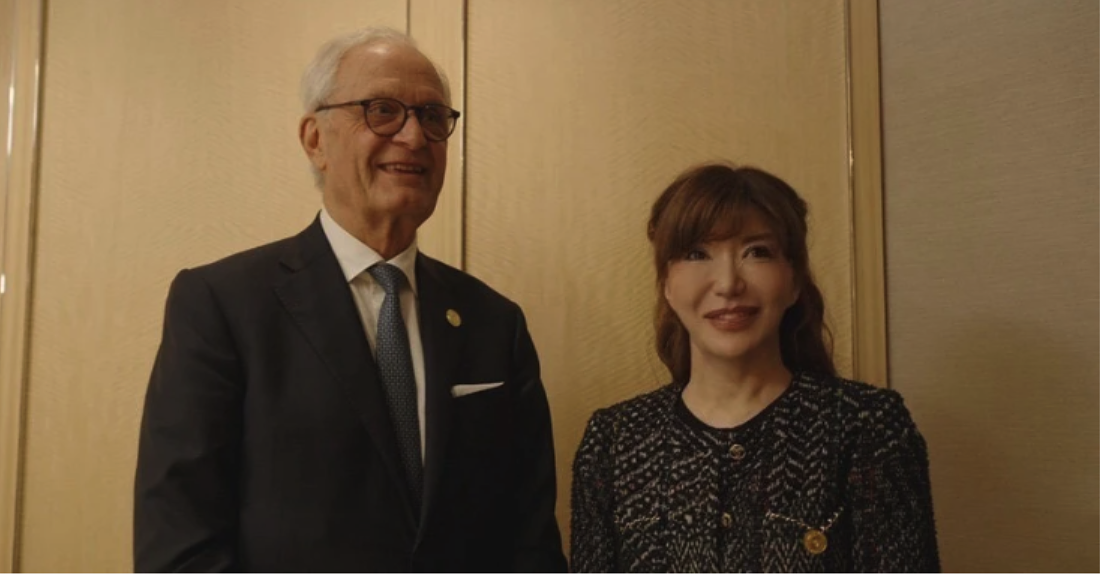
Sakai Clinic & Nobel Trust Forge New 'Medical Sustainability' Vision
TOKYO, JAPAN – January 19, 2026 – A recent high-level dialogue in Tokyo is aiming to redefine the very meaning of sustainability in medicine. Dr. Mari Sakai, founder of the regenerative medicine-focused Sakai Clinic 62, met with Peter Nobel, Chairman of the Nobel Sustainability Trust (NST), to champion a concept they term 'medical sustainability.' The meeting signals a bold attempt to merge the world of individual human longevity with the global mission of planetary health, positioning a Japanese clinic at the epicentre of a potentially transformative, albeit complex, new movement.
This initiative seeks to expand the conversation beyond the traditional boundaries of sustainable healthcare. While the global medical community grapples with its significant environmental footprint, this new partnership suggests a more intimate, biological interpretation of sustainability itself.
Redefining Health in a Sustainable World
For years, 'sustainable healthcare' has been a concept focused on systemic and environmental responsibility. Organizations like the World Health Organization (WHO) and Healthcare Without Harm have established frameworks that primarily address the operational impact of medicine. Their definitions center on creating climate-resilient health systems that reduce waste, conserve energy, and minimize a carbon footprint that, in some industrialized nations, exceeds that of the entire aviation industry. The goal has been to deliver care in a way that doesn't compromise the health of the planet for future generations.
Dr. Sakai's vision, however, introduces a provocative new dimension. As outlined during her dialogue with Nobel, her focus is on the "sustainability of both the human mind and body through regenerative medicine." This approach reframes the objective from merely sustaining the healthcare system to sustaining the human being at a fundamental biological level. The philosophy implies that by using advanced therapies to extend healthy lifespans and enhance individual vitality, the long-term burden on resource-intensive healthcare systems could be naturally reduced. It’s a paradigm that connects the microcosm of cellular health to the macrocosm of global sustainability, arguing that a healthier, more resilient population is a cornerstone of a sustainable society.
A Nobel Name Meets Novel Science
The involvement of the Nobel Sustainability Trust lends significant international weight to Dr. Sakai's initiative. Chaired by Peter Nobel—a human rights lawyer and member of the famed Nobel family—the NST was established to bridge scientific innovation with real-world implementation of the UN's Sustainable Development Goals. It is crucial to note that the Swiss-based Trust operates independently and has no formal affiliation with the Nobel Foundation that awards the prestigious Nobel Prizes. Nonetheless, the association brings a powerful brand of credibility and a global platform.
Peter Nobel's interest in disruptive innovation is well-documented, making the dialogue with a pioneer in regenerative medicine a logical, if thought-provoking, step. However, this high-profile endorsement also shines a spotlight on the specific science at the heart of Sakai Clinic 62's practice: telomere therapy. Telomeres, the protective caps on the ends of our chromosomes, shorten as we age, a process linked to many degenerative diseases. The clinic's specialization in "telomere injections and infusions" aims to counteract this process.
While telomere biology is a subject of intense scientific research, the broader clinical application of such therapies for general anti-aging or wellness remains a frontier with an evolving regulatory landscape. The scientific community has not yet reached a firm consensus on the widespread efficacy of general telomere treatments, distinguishing them from highly targeted gene therapies for specific, rare telomere biology disorders. For instance, in the U.S., the FDA has granted advanced therapy designations for treatments targeting rare genetic conditions caused by short telomeres, but general wellness applications occupy a more ambiguous space. This partnership places a scientifically pioneering but not yet universally established therapy onto the global stage, raising questions about the intersection of innovation, validation, and high-level advocacy.
Japan's Ambition for Global Health Leadership
This collaboration is also a story of national ambition. Japan has cultivated a regulatory environment, through frameworks like the Act on the Safety of Regenerative Medicine (ASRM), that is highly supportive of advancing cellular and regenerative therapies. By spearheading the 'medical sustainability' conversation, Sakai Clinic 62 is positioning Japan not just as a hub for technological and medical advancement, but as a thought leader capable of shaping global health philosophy.
This initiative could serve as a powerful showcase for the country's biotech sector, attracting international interest, investment, and talent. It aligns with a broader strategy to transition from a leader in manufacturing to a leader in knowledge-based, high-value industries like advanced medicine. The dialogue between Dr. Sakai and Peter Nobel could be the first step in exporting a uniquely Japanese-nurtured medical concept to the rest of the world.
A Blueprint for Future Collaboration
The press release from Sakai Clinic 62 emphasized that the dialogue revealed "strong alignment" and "significant potential for future collaboration." While specifics remain under wraps, a partnership between a specialized medical clinic and a global sustainability trust could take many forms. Potential avenues include joint research to develop metrics for 'medical sustainability,' the creation of educational campaigns to promote the concept, or leveraging the NST's international network to build a coalition of like-minded institutions.
Dr. Sakai's own words reflect this ambitious, long-term vision. "This dialogue reaffirmed my strong sense of mission to present the value of medical sustainability to the world and to advance initiatives that safeguard the health and well-being of future generations," she commented following the meeting. "As Sakai Clinic 62, we are committed to acting as a pioneer in medical sustainability."
Ultimately, this emerging alliance represents a fascinating convergence of ideas. It brings together cutting-edge, personalized medicine with the sweeping, universal goals of global sustainability. The success of this initiative will depend on its ability to navigate the complex path from a compelling concept to a scientifically validated, ethically sound, and globally accepted practice. Whether this marks the dawn of a new, integrated approach to human and planetary health or remains a niche vision, the conversation has officially begun.