
- 25 artists from 18 countries participating
- 25 artworks to be added to Riyadh Art's permanent collection
- Event runs from January 12 to February 22, 2026
Experts view Tuwaiq Sculpture as a pivotal cultural initiative that merges artistic innovation with urban transformation, reinforcing Riyadh's role as a global hub for contemporary art and sustainability.
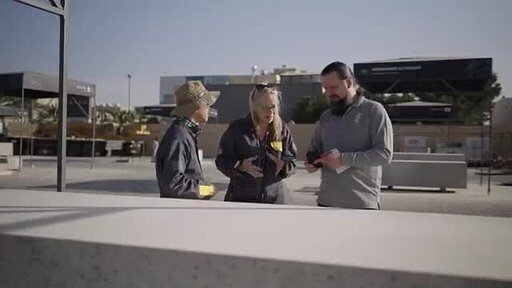
Riyadh's Urban Canvas: Tuwaiq Sculpture Shapes the City's Future
RIYADH, Saudi Arabia – January 14, 2026 – The sounds of chisels striking granite and the glow of welding torches will soon return to the heart of Riyadh as the city prepares to host the seventh edition of Tuwaiq Sculpture. The internationally acclaimed symposium, a cornerstone of the Riyadh Art initiative, will transform a stretch of Prince Mohammed bin Abdulaziz Street, popularly known as Tahlia Street, into a dynamic open-air studio from January 12 to February 22, 2026.
This year, 25 artists from 18 countries, including a strong contingent of Saudi talent, will converge in the capital to create monumental public artworks before a live audience. Working under the evocative theme "Traces of What Will Be," the artists are tasked with exploring transformation, memory, and the future identity of a city undergoing one of the most ambitious urban metamorphoses in the world.
A Canvas of Stone and Steel
At the core of Tuwaiq Sculpture's appeal is its radical transparency. From January 12 to February 5, the public is invited to witness the entire creative journey, from raw material to finished masterpiece. This live sculpting format demystifies the artistic process, transforming the creation of public art from a private studio affair into a shared public experience. Visitors can observe the meticulous labor, the creative problem-solving, and the sheer physicality required to shape tons of stone and metal into enduring forms.
This edition reinforces a commitment to sustainability and local context by focusing on two distinct material categories: locally sourced granite, with the option of stainless steel integration, and reclaimed metal. The choice of granite, quarried from within Saudi Arabia, not only reduces the event's carbon footprint but also embeds the sculptures with a tangible connection to the land itself. The inclusion of reclaimed metal speaks to a growing global consciousness around circular economies, showcasing how discarded materials can be reborn as objects of cultural value and beauty. This dual focus on local geology and industrial recycling provides a rich material palette for artists to interpret the symposium's forward-looking theme.
Tracing the Future: A Vision in Sculpture
The curatorial theme, "Traces of What Will Be," serves as a powerful conceptual anchor in a city defined by rapid evolution. It invites artists and audiences alike to reflect on how human intervention, memory, and ingenuity leave indelible marks that shape the future. The theme is particularly resonant in Riyadh, the epicenter of Saudi Arabia's Vision 2030, where new skylines and cultural landscapes are rising at a breathtaking pace.
Guiding this exploration is a distinguished curatorial team comprising Saudi artist Lulwah Al Homoud, German-British urban photographer Rut Blees Luxemburg, and British public art specialist Sarah Staton. Their combined expertise—spanning abstract calligraphy, the poetics of urban space, and the social function of art—promises a multi-layered and intellectually rigorous symposium. Their direction will likely push artists to move beyond mere aesthetics and engage deeply with the context of Riyadh's past and its projected future.
The choice of Tahlia Street as the venue is itself a curatorial statement. Historically associated with Riyadh's first desalination plant, the location is a symbol of the environmental ingenuity and transformation that has long characterized the city's growth. This historical layer provides a fertile ground for artists to develop responses that connect the city's legacy of resourcefulness with its aspirations for a sustainable and culturally rich future.
Forging a Global Dialogue and a Public Legacy
While the live sculpting event is a focal point, the true legacy of Tuwaiq Sculpture is etched into the urban fabric of Riyadh itself. All 25 artworks created during the symposium will become part of the Riyadh Art permanent collection. Following the event, these sculptures will be strategically installed in parks, plazas, and other key public spaces across the capital, contributing to a growing city-wide gallery that is accessible to all.
This initiative is a key component of Riyadh Art's ambitious goal to commission and install over 1,000 public artworks, transforming the city into what is often described as an "open-air museum." Since its inception in 2019, Tuwaiq Sculpture has already welcomed more than 150 artists, establishing itself as a vital platform for cultural exchange. By bringing together artists from diverse backgrounds, the symposium fosters a rich dialogue between local and global artistic practices, positioning Riyadh as an emerging and important hub in the international contemporary art world.
More Than Art: A Pillar of National Transformation
Tuwaiq Sculpture is not an isolated cultural festival; it is a strategic component of Saudi Arabia's Vision 2030. Riyadh Art, its parent initiative, is one of the four mega-projects launched in 2019 by the Royal Commission for Riyadh City to enhance the capital's livability and global standing. These projects are central to the nation's agenda of diversifying its economy, fostering a vibrant society, and improving the quality of life for its citizens.
By investing in large-scale public art, the Kingdom is engaging in a form of cultural diplomacy, shaping international perceptions and showcasing a commitment to creativity and openness. For residents, the project aims to instill a greater sense of civic pride, bring moments of joy and reflection into daily life, and create a more beautiful and engaging urban environment. The symposium also contributes to the growth of the local creative economy by providing opportunities for Saudi artists, curators, and cultural managers.
As the artists begin their work on Tahlia Street, they will be doing more than simply shaping stone and steel. They will be participating in the larger project of shaping a city's identity, leaving behind tangible 'traces' that will inform the story of Riyadh for generations to come.