
- 4.8 billion: The anti-aging supplement market value in 2025, projected to nearly double by 2033.
- 500 billion: The projected value of the functional foods market by 2030.
- Nano-encapsulation: Enhanced delivery of gamma-oryzanol reduced oxidative stress and supported cellular repair in lab models.
Experts conclude that nano-encapsulated gamma-oryzanol from rice bran shows significant promise in combating cellular aging, though further clinical trials are needed to confirm its safety and efficacy for human use.
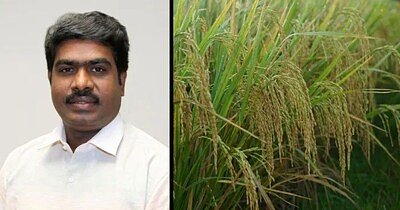
Rice Bran's Secret: Nanotech Unlocks Anti-Aging Power in Common Crop
PINE BLUFF, Ark. – March 04, 2026 – In a groundbreaking fusion of agriculture and advanced science, researchers have transformed a humble byproduct of rice milling into a potent agent against cellular aging. A study from the University of Arkansas at Pine Bluff (UAPB) reveals that by using nanotechnology, a powerful antioxidant found in rice bran can be delivered into cells with unprecedented efficiency, offering a promising new frontier in the quest for healthy aging.
The research, funded by the U.S. Department of Agriculture and published in the peer-reviewed Journal of Functional Foods, demonstrates that nano-encapsulated gamma-oryzanol can significantly protect aging cells from oxidative stress. This discovery not only highlights the untapped potential within our food supply but also paves the way for a new generation of functional foods and dietary strategies aimed at promoting longevity and vitality.
Unlocking a Cellular Shield
At the heart of the aging process is a constant battle within our bodies. Cells are relentlessly attacked by reactive oxygen species, or free radicals, which damage vital components like DNA and proteins. This cumulative damage, known as oxidative stress, is a key driver of aging and a contributor to chronic conditions like cardiovascular disease and metabolic disorders.
Nature has provided an arsenal of compounds to fight this battle, one of which is gamma-oryzanol, a bioactive substance abundant in rice bran. While its antioxidant and anti-inflammatory properties have long been recognized, a major hurdle has prevented it from reaching its full potential: it doesn’t dissolve well in water. This makes it difficult for the body to absorb and deliver the compound to where it's needed most.
The UAPB research team, led by Dr. Sankar Devarajan, an associate professor of nutrition, devised an ingenious solution. By encapsulating gamma-oryzanol in microscopic nanoparticles, they created a highly effective delivery system. These nano-vehicles ferry the compound through cellular barriers, unleashing its protective effects directly inside the cell.
"When gamma-oryzanol was delivered in this nano form, it effectively protected cells from aging-related stress," Dr. Devarajan said. "It reduced harmful oxidative molecules, helped cells maintain function and even supported repair in cell models. The nano formulation allowed the compound to reach cells more effectively than traditional forms."
The results from their laboratory models were striking. The nano-encapsulated compound not only reduced oxidative stress but also enhanced the growth and migration of fibroblast cells, which are essential for tissue repair and wound healing. This suggests the benefits could extend to skin health and regenerative processes.
From Lab Bench to Grocery Shelf
While the findings are a significant scientific milestone, the researchers emphasize that this is a foundational, early-stage discovery conducted in a laboratory setting. The journey from these in vitro models to a product available to consumers involves rigorous further testing, including animal studies and eventually human clinical trials to confirm safety and efficacy.
However, the potential applications are vast and could profoundly impact the health and wellness market. The global demand for products that support healthy aging is booming. The anti-aging supplement market was valued at nearly $4.8 billion in 2025 and is projected to almost double by 2033. The functional foods market is even larger, soaring towards a projected $500 billion by 2030, driven by consumers actively seeking foods that provide benefits beyond basic nutrition.
Nano-encapsulated gamma-oryzanol could become a star ingredient in this landscape, appearing in everything from daily dietary supplements and functional beverages to advanced "cosmeceuticals" designed to rejuvenate skin from within. "Incorporating food-based strategies to slow the aging process could enable healthier aging and new preventive measures to reduce disease by consuming nutritive factors rather than pharmaceuticals," Dr. Devarajan explained.
A New Future for an Ancient Grain
The discovery carries significant economic implications, particularly for the global rice industry. Rice bran, the nutrient-rich outer layer of a rice kernel, is often treated as a low-value byproduct, sold primarily as animal feed or even discarded. This research provides a clear pathway to "valorize" this resource, transforming it into a source for high-value nutraceutical ingredients.
For a major rice-producing state like Arkansas, this innovation could create new revenue streams for farmers and millers, fostering economic growth and promoting more sustainable agricultural practices by utilizing every part of the harvest. The global market for rice bran derivatives is already a multi-billion dollar industry, and technologies that enhance the efficacy of these compounds are set to accelerate that growth.
The project's funding from the USDA's National Institute of Food and Agriculture underscores a national strategy to support innovation at land-grant universities and find new, value-added uses for agricultural commodities that benefit both the economy and public health.
Collaborative Excellence at the Forefront
This breakthrough is a testament to the power of interdisciplinary collaboration. The project brought together the expertise of UAPB, the state's oldest and only public land-grant Historically Black College and University (HBCU), and the University of Arkansas for Medical Sciences (UAMS), a major biomedical research institution.
"This study is an excellent example of how nutrition science and biomedical research can work together to address fundamental questions about aging and cellular health," said Dr. Shengyu Mu, a professor at the UAMS Department of Pharmacology and Toxicology and a collaborator on the project. "By improving the delivery of gamma-oryzanol through nanotechnology, our team demonstrated how a naturally occurring, food-derived compound can more effectively reduce oxidative stress and support cellular repair."
The research showcases the vital role of institutions like UAPB in driving cutting-edge science. As an HBCU with deep roots in agricultural research, UAPB is uniquely positioned to lead studies that bridge the gap between farm and pharmacy.
By unlocking the hidden power of a common crop, the team has provided more than just a scientific curiosity; they have offered a glimpse into a future where the path to healthier aging may begin in the world's rice fields.