
- 10%+ CAGR: Sustainable denim market projected to grow at over 10% annually
- 100M yards: Prosperity Textile's annual manufacturing capacity
- 7,000L: Water required to produce one pair of traditional jeans
Experts view this partnership as a critical step toward mainstreaming circular denim production, addressing key industry challenges in scaling sustainable materials.
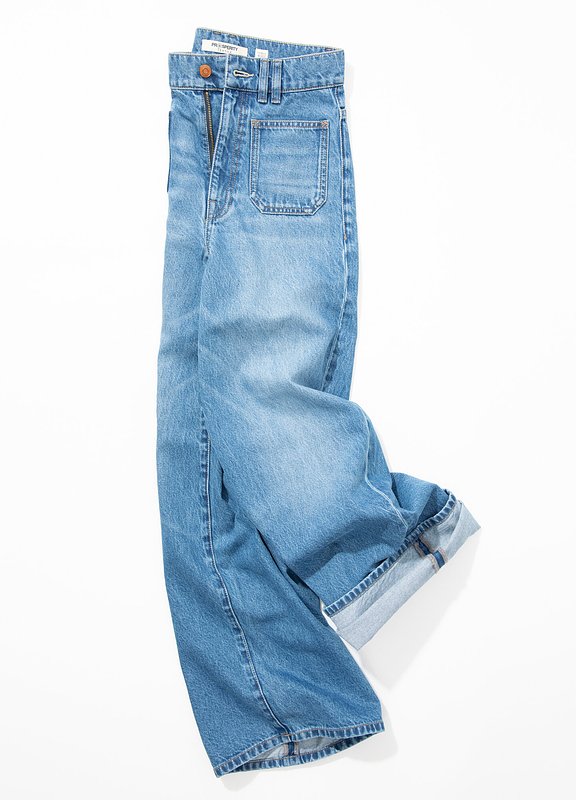
Recover & Prosperity Textile to Scale Sustainable Denim Production
MADRID, SPAIN – April 14, 2026 – In a significant move to shift the denim industry towards circularity, materials science company Recover™ and denim manufacturer Prosperity Textile have announced a strategic partnership aimed at producing sustainable, recycled denim fabrics at an industrial scale. The collaboration seeks to make eco-conscious denim a mainstream reality rather than a niche offering, addressing a critical bottleneck in the fashion supply chain.
A Response to a Growing Demand
The partnership arrives at a pivotal moment for the global apparel industry. The market for sustainable denim is projected to grow at a compound annual growth rate of over 10% in the coming years, a clear signal of shifting priorities. This growth is fueled by heightened consumer awareness of fashion's environmental footprint and increasing regulatory pressure, particularly from blocs like the European Union, which are mandating higher recycled content and greater supply chain transparency.
Traditional denim production is notoriously resource-intensive, with a single pair of jeans requiring up to 7,000 liters of water. This stark reality has pushed brands and manufacturers to seek viable alternatives. “Our partnership with Prosperity Textile represents an important step in making it easier for brands to integrate circular materials beyond niche collections, into their core quality denim ranges,” said Anders Sjöblom, CEO of Recover™, in the official announcement. This collaboration directly targets the industry's need for reliable, high-volume sustainable materials.
From Niche Concept to Industrial Scale
While the demand for recycled textiles is strong, scaling production has been a persistent challenge. The industry has grappled with inefficient sorting technologies for post-consumer waste, the complexity of recycling blended fibers, and the high cost of processing, which can often exceed that of using virgin materials. These hurdles have largely confined recycled fabrics to limited-edition collections.
This new alliance is designed to overcome those obstacles. It combines Recover's proprietary technology for producing high-quality recycled cotton fiber with Prosperity Textile's formidable manufacturing prowess. Prosperity Textile, a vertically integrated manufacturer with an annual capacity approaching 100 million yards, operates advanced "smart-mill" facilities in China and Vietnam. By embedding Recover's consistent, low-impact fiber into Prosperity's industrial-scale operations, the partnership aims to deliver recycled denim that meets the performance, quality, and lead-time expectations of major global brands.
The fabrics, developed collaboratively under the Recover™ Fabrics umbrella, will be crafted in Vietnam. “By combining Recover’s recycled cotton expertise with our industrial manufacturing capabilities, we are able to deliver competitive, high-volume denim fabrics,” stated Stafford Lau, CEO of Prosperity Textile. This synergy is key to moving circular denim from a premium, small-batch product to a foundational material for core collections worldwide.
A Strategic Alliance of Specialists
The strength of the partnership lies in the complementary expertise of the two companies. Recover™, backed by investors including Goldman Sachs and STORY3 Capital, is a leader in the materials science of textile-to-textile recycling. Its process transforms textile waste into premium recycled fiber, and the company already has established relationships with major fashion players like Gap, Levi's, and G-Star Raw, who integrate its fibers into their products. These brands now have a streamlined path to scaling up their use of these materials.
Prosperity Textile provides the industrial backbone. Founded in 2002, the company is recognized for its advanced manufacturing, real-time data monitoring, and stringent quality management. Its commitment to sustainability is verified by numerous certifications, including the Global Recycled Standard (GRS), Organic Content Standard (OCS), and its status as a Bluesign® system partner, which ensures responsible chemical use and environmental performance. This vertical integration—from fiber to finished fabric—offers brands a more traceable and efficient supply chain for sustainable sourcing.
Vietnam: The Hub for Sustainable Production
The decision to base production in Vietnam is a strategic one. The country has become a global powerhouse in textile and apparel manufacturing, boasting a skilled workforce, competitive costs, and robust infrastructure. Furthermore, Vietnam's participation in free trade agreements, such as the EU-Vietnam Free Trade Agreement (EVFTA), provides favorable access to key Western markets, making it an attractive export hub.
The Vietnamese government has also shown an increasing commitment to promoting sustainable industrial practices, creating a supportive environment for eco-conscious manufacturing. While challenges related to the country's energy mix and ensuring ethical labor practices remain industry-wide concerns, Prosperity Textile's established "Green Factory" initiatives and certified operations signal a commitment to addressing these issues head-on within their facilities.
The first fruits of this collaboration are set to be unveiled soon. Selected garments demonstrating the versatility and quality of the new fabric collection will be presented at the upcoming Kingpins Amsterdam denim trade show. Following this debut, the initial fabric developments will be introduced to select brand partners, marking a tangible step toward accelerating circularity in one of fashion's most iconic sectors.