
- 50 state-specific portals: Radaris launched dedicated address lookup portals for all U.S. states, moving away from the traditional national database model.
- $15.8 billion market: The global real estate business intelligence software market is projected to reach this value by 2032, aligning with the demand for hyper-local analytics.
- $10M–$25M annual revenue: Radaris's estimated annual revenue, positioning it as a mid-sized player in the public records industry.
Experts would likely conclude that Radaris's hyper-local search innovation sets a new competitive benchmark in the public records industry, addressing long-standing issues of data relevance and compliance while intensifying debates over privacy and data accessibility.
Radaris Launches Hyper-Local Search, Shaking Up Public Records Industry
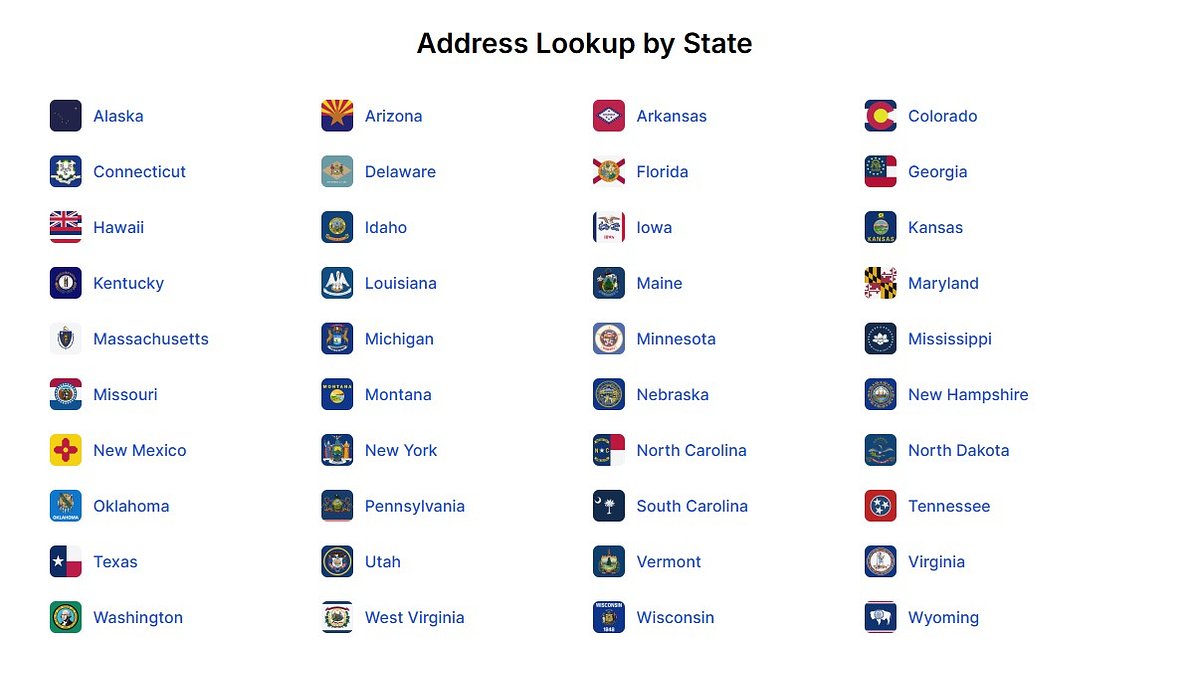
BOSTON, MA – April 24, 2026 – Public records intelligence firm Radaris today launched a new service that could fundamentally alter how Americans access local information. The company has rolled out dedicated address lookup portals for all 50 U.S. states, moving away from the industry's traditional one-size-fits-all national database model in favor of a hyper-local approach.
The new system, featuring subdomains like newyorkmaps.radaris.com and texasmaps.radaris.com, is designed to tackle a long-standing problem in the data aggregation industry: the tension between geographically fragmented public data and the generic interfaces used to search it. By creating state-specific hubs, Radaris aims to deliver more accurate and relevant results for users ranging from homebuyers and landlords to small business owners.
This strategic shift sets a new benchmark for geo-contextual search and directly challenges established competitors like BeenVerified and WhitePages, potentially forcing a market-wide pivot towards more localized data intelligence.
Redefining the Public Records Search
For years, users of public records platforms have contended with search results diluted by irrelevant, out-of-state information. A search for a common name or address in a dense metropolitan area could yield thousands of hits from across the country, burying the desired local data.
Radaris's new architecture directly addresses this pain point. Each state-specific portal is engineered to index and prioritize public records that are actually relevant to that state, including local property data, resident histories, and neighborhood-level demographic patterns. According to the company, this localized indexing is particularly crucial in busy markets like California, Florida, and Pennsylvania, where local context is key to finding accurate information.
This move aligns perfectly with a broader market trend demanding more granular data. The real estate industry, for example, is increasingly reliant on hyper-local analytics, with the global real estate business intelligence software market projected to reach $15.8 billion by 2032. Homebuyers can now theoretically research neighborhood turnover rates and property ownership histories without sifting through noise from other states. Likewise, landlords can gain faster access to residency histories relevant to their specific market.
“The public records and people search industry has long struggled with a fundamental tension of data being geographically fragmented, while search interfaces remain historically national and generic by nature,” the company noted in its announcement. By segmenting its data streams by state, Radaris is betting that superior relevance will be a key competitive differentiator.
A New Competitive Benchmark
The public records search market is a crowded field, with numerous platforms vying to offer the most comprehensive reports. However, most aggregate data into massive, centralized databases. Radaris's launch represents a significant departure from this norm, creating a potential first-mover advantage in localized search.
By creating state-specific portals, the company not only improves the user experience but also gains significant SEO and discoverability advantages. A user searching Google for “Wyoming address records” is now more likely to land on a purpose-built portal rather than a generic national search page. This could reshape customer acquisition in the industry.
Furthermore, the decentralized structure allows for more nimble compliance with the complex web of state-level open records laws. Each of the 50 states has its own version of a “Sunshine Law” or “Public Records Law,” with significant variations in what information is available and how it can be accessed. A state-specific portal can be more readily tuned to these nuances, a feature the company highlights as “state-specific compliance alignment.”
While Radaris, operating under Data Analytics Advisors, Inc., is an unfunded company according to market data platform Tracxn, its estimated annual revenue is between $10 million and $25 million. This launch, following its 2025 release of the AI-powered “Data Finder 360” platform, suggests a strategy focused on technological innovation rather than venture-backed growth, aiming to outmaneuver larger but potentially less agile competitors.
The Double-Edged Sword of Accessible Data
While the benefits of more precise, accessible data are clear for many users, the launch also brings the industry's ongoing privacy debates into sharper focus. Making vast amounts of public information easier to search and connect has long been a concern for privacy advocates.
Aggregating disparate pieces of public information—property records, professional licenses, voter registrations, court records—can create detailed “digital biographies” that many individuals find intrusive. While the collection and sale of this data are generally legal in the United States, Radaris's move to make it more granular and locally potent could amplify these concerns.
The industry has a history of navigating complex legal challenges. Radaris itself has reportedly faced legal issues related to Illinois' Right of Publicity Act, highlighting the treacherous legal landscape that data aggregators must navigate. By creating state-specific portals, the company may be better positioned to manage compliance, but it also makes the power of its data aggregation more apparent at a local level.
This launch underscores the central tension of the digital age: the societal value of open information versus the individual's right to privacy. As tools like Radaris's new portals become more powerful, they force a continued conversation about where the line should be drawn, and whether existing legal frameworks are sufficient to manage the implications of hyper-local, easily searchable personal data.