
- $1.1B Investment: Total projected cost for the land-based salmon farm by 2033.
- 10,000 tonnes annually: Planned salmon output in the first phase.
- 99% water recycling: Efficiency of the Recirculating Aquaculture System (RAS) technology used.
Experts view AquaBoreal’s project as a significant step toward sustainable aquaculture, leveraging advanced technology to enhance Quebec’s food self-sufficiency while meeting stringent environmental standards.
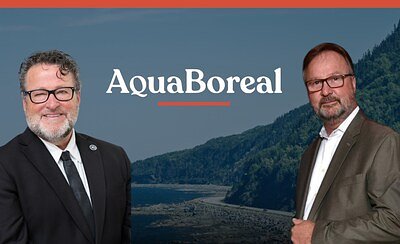
Quebec Backs AquaBoreal’s $1.1B Land-Based Salmon Megaproject
BAIE-TRINITÉ, QC – March 04, 2026 – After a meticulous four-year journey through scientific studies and regulatory reviews, AquaBoreal has secured a pivotal ministerial decree from the Quebec government, clearing the path for its ambitious land-based salmon farm. The authorization marks the most significant milestone to date for the project, which aims to transform a former sawmill site in the North Shore community of Baie-Trinité into one of the world's most advanced aquaculture facilities.
This regulatory green light confirms the project’s compliance with Quebec's stringent environmental standards and allows the company to begin the process of obtaining construction permits. With a planned annual output of 10,000 tonnes of salmon in its first phase, AquaBoreal is poised to become a major player in Canada’s food supply chain, directly addressing the province's goal of enhancing its food self-sufficiency.
Navigating a Complex Regulatory Gauntlet
The ministerial decree was not granted overnight. It is the culmination of more than four years of intensive work, during which AquaBoreal invested heavily in comprehensive environmental studies conducted by independent experts. The company’s approach emphasized scientific rigor and transparency, a strategy that appears to have paid off.
A key element of this process was the public consultation managed by the Bureau d'audiences publiques sur l'environnement (BAPE). A public information session held in Baie-Trinité on September 3, 2025, drew significant local interest, with nearly 150 people attending in person and dozens more online. During this session, no citizens expressed formal disagreement with the project, and the Ministry ultimately determined that no further public consultation was required. This outcome was a testament to the project’s “high social acceptability,” a factor the company and government officials have repeatedly cited as crucial for the success of any large-scale initiative.
Concerns raised by the community regarding electricity use, local employment, and waste valorization were addressed directly by the company. AquaBoreal committed to working with regional educational institutions like Cégep de Baie-Comeau to develop a local workforce and assured residents that its preliminary energy allocation from Hydro-Québec was sufficient for the first phase.
A Billion-Dollar Bet on Sustainable Technology
At the heart of the AquaBoreal project is its reliance on state-of-the-art Recirculating Aquaculture Systems (RAS). This land-based technology creates a closed-loop environment that allows for the production of antibiotic-free salmon by recycling up to 99% of its water. The system provides precise control over water quality and temperature while preventing fish escapes and the discharge of waste into surrounding ecosystems.
This high-tech approach, however, comes with a substantial price tag. The first phase of the project is estimated to cost CA$407 million, with the total investment for a planned expansion to 30,000 tonnes per year projected to reach CA$1.1 billion by 2033. The high capital and energy costs associated with RAS technology have been a challenge for the industry globally, but AquaBoreal is banking on efficiency and sustainability to ensure its long-term viability. The company's claim of producing “some of the world's greenest salmon” is heavily dependent on its integration with Hydro-Québec's clean energy grid, for which it has already received preliminary approval.
“The filing of the ministerial decree marks an important milestone for AquaBoreal, but also for Quebec as a whole, which is keen to become more self-sufficient in its salmon supply,” said Léopold Landry, President of AquaBoreal. “We are proud that our project will contribute to the food self-sufficiency ambitions of the governments of Quebec and Canada by developing a sustainable, responsible production system right here, based on the highest environmental standards.”
With regulatory hurdles cleared, AquaBoreal is now actively pursuing the financial structuring of the project with its investors and strategic partners, including the Altamar Group, a firm described as a world leader in RAS technology.
Revitalizing the North Shore
For Baie-Trinité and the wider North Shore region, the AquaBoreal project represents more than just a new source of salmon; it signifies a major economic revitalization. The facility will be built on the site of a former sawmill, injecting new life and skilled jobs into a community looking to diversify its economy.
The project is expected to be a key driver of sustainable economic growth, aligning with the local vision for development. AquaBoreal has committed to prioritizing a local workforce, a promise that resonates deeply in the region. This commitment to community integration and local partnership has been a cornerstone of the project’s strategy from its inception, fostering the strong social license it now enjoys.
By creating skilled, year-round employment, the project aims to provide a lasting positive impact, offering opportunities that could help retain and attract residents to the North Shore. The development is seen not just as an industrial project but as a potential anchor for the community's future prosperity.
A Cornerstone of Quebec's Food Strategy
The government’s backing of AquaBoreal is a clear reflection of its broader policy objectives. The project is a flagship initiative under the Government of Quebec's Northern Action Plan 2023–2028, a multi-billion-dollar strategy aimed at fostering economic and social development north of the 49th parallel. A key pillar of this plan is strengthening the biofood sector to improve food security.
With Quebec currently importing approximately 85% of its seafood, a domestic supply of 10,000 tonnes of salmon would significantly reduce its dependence on foreign markets. This point was underscored by the government’s direct financial support of CA$500,000 in late 2025 to help accelerate the project's implementation.
“AquaBoreal is a promising project that I have been following closely for a long time,” stated Donald Martel, Minister of Agriculture, Fisheries and Food. “The government is proud to support strategic initiatives that contribute to strengthening our food self-sufficiency.”
With the final major regulatory approval secured, AquaBoreal now shifts its focus from proving its environmental and social viability to demonstrating its financial and operational strength. The company's next steps involve finalizing its complex financial structure and securing the construction permits necessary to break ground, with the first harvest of Quebec-raised salmon anticipated for 2027. The success of this initial phase will be closely watched as a potential blueprint for sustainable aquaculture development across Canada.