
- 78% increase: Weather-related power outages in the U.S. surged by approximately 78% in the last decade compared to the 2000s.
- $10 billion market: The global residential generator market is projected to reach nearly $10 billion by 2035.
- 7+ hours: The average duration of power outages in 2021 exceeded seven hours.
Experts agree that choosing the right home generator requires careful assessment of power needs, professional guidance, and understanding of technical complexities to ensure reliable backup power during outages.
Powering Resilience: Why Expert Guidance is Key in Home Generator Selection
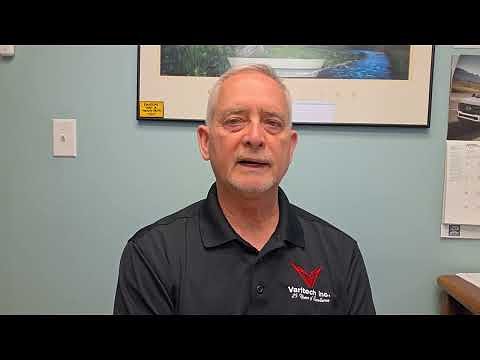
LOUISVILLE, Ky. – June 18, 2026 – As unpredictable weather and an aging grid contribute to a rising number of power outages across the country, homeowners are increasingly investing in a critical piece of infrastructure: the home backup generator. What was once considered a luxury is now becoming a necessity for many seeking energy resilience. But navigating the path to reliable backup power is fraught with technical complexities. A new article from the media platform HelloNation, featuring insights from Louisville-based generator expert Greg Brown of Varitech, Inc., aims to demystify the process, highlighting that the most crucial decision—choosing the right size—is far from simple.
The Growing Demand for Energy Security
The strategic shift toward personal energy security isn't happening in a vacuum. Recent data paints a stark picture of grid vulnerability. According to a Climate Central report, the average annual number of weather-related power outages in the U.S. surged by approximately 78% in the last decade compared to the 2000s. The duration of these interruptions has also nearly doubled in recent years, leaving families without power for an average of over seven hours in 2021. This trend is fueling a significant expansion in the residential generator market, with some projections showing the global market growing at a compound annual growth rate of over 9% to reach nearly $10 billion by 2035. For millions of Americans, the question is no longer if they need a generator, but what kind.
This boom underscores a fundamental change in consumer behavior, driven by the need to power not just lights and refrigerators, but also home offices, medical equipment, and heating and cooling systems. The reliance on an uninterrupted power supply has become integral to modern life, making the choice of a backup system a high-stakes decision for household stability and safety.
Sizing Up the Solution: Essentials vs. Whole-Home Power
According to the guidance provided by Greg Brown in the HelloNation feature, the first step for any homeowner is a strategic assessment of their needs. This decision forks into two primary paths: powering only essential systems or opting for a comprehensive whole-home solution. Choosing to back up essentials—such as a refrigerator, sump pump, select lights, and a few outlets for charging devices—allows for a smaller, more cost-effective generator. This approach provides a critical safety net, ensuring basic functions can be maintained during an outage without a significant upfront investment.
Conversely, a whole-home generator is designed to replicate the seamless power experience of the grid. These larger, more powerful units can support nearly every system in a house, from central air conditioning and electric heating to kitchen ranges and laundry appliances. While this offers ultimate convenience and comfort, it requires a substantially larger generator and a more complex installation, significantly increasing the cost. The key, as Brown's insights suggest, is for homeowners to carefully weigh their budget against their tolerance for disruption before making a commitment.
Beyond the Basics: Wattage, Load Management, and Professional Insight
Once a homeowner decides between essential and whole-home coverage, the technical details become paramount. The core of generator sizing is an accurate wattage calculation. As the HelloNation article explains, every appliance has a running wattage and, crucially, a starting wattage—the initial surge of power required to turn on motors in devices like refrigerators and air conditioners. Overlooking this starting wattage is a common pitfall that can lead to an undersized system that fails when it's needed most.
For homes with high-demand appliances like electric water heaters or HVAC systems, the wattage requirements can escalate quickly. In these scenarios, a larger generator is one option. Another is a load management system, an intelligent device that balances energy use by cycling non-essential, high-draw appliances on and off. This prevents the generator from becoming overloaded while still providing power to most of the home. It’s a strategic compromise that can optimize the performance of a moderately sized unit.
This complexity is why industry experts universally advocate for professional assessment. A qualified technician, like those at Varitech, Inc., can perform a detailed evaluation of a home's electrical panel, layout, and typical energy usage to provide a precise calculation. Independent consumer organizations echo this sentiment, stressing that safe installation requires a licensed electrician to install a transfer switch—a device that prevents dangerous back-feeding of electricity into utility lines, protecting line workers from injury.
A New Model for Consumer Education
The collaboration between HelloNation and an expert like Greg Brown represents a strategic shift in how businesses are connecting with consumers. HelloNation operates on a model it calls "edvertising," which prioritizes expert-driven, journalism-style content over traditional promotional messages. By creating articles that answer common consumer questions and provide actionable advice, the platform aims to build trust and demonstrate knowledge, positioning its featured professionals as credible authorities in their fields.
This approach to content marketing seeks to serve the reader first, providing value that transcends a simple sales pitch. The goal is to create content that, in the company's own words, "holds up as journalism, not marketing material dressed in editorial clothing." By partnering with organizations like the U.S. Conference of Mayors and the United States First Responders Association, the platform further bolsters its credibility and community focus. For homeowners facing complex decisions like generator sizing, this strategy of delivering clear, expert-backed information addresses a critical need in a market where misinformation and costly mistakes are all too common.