
- 1,500+ jobs created by POWERCHINA in Serbia
- 900,000 tons of low-carbon concrete used in 2024
- 2,300+ metrics tracked by POWERCHINA's ESG data management system
Experts acknowledge POWERCHINA's significant infrastructure contributions to Serbia and its formal ESG commitments, but caution that independent verification of long-term environmental and social impacts remains limited, raising questions about the true sustainability of its projects.
POWERCHINA's Green Blueprint in Serbia: Building Bridges or Influence?
BELGRADE, Serbia – January 02, 2026 – In the wake of heightened global climate standards set by the recent COP30 summit, Power Construction Corporation of China (POWERCHINA) is doubling down on its Environmental, Social, and Governance (ESG) commitments in Serbia, the nation that hosts its Eurasia Regional Headquarters. The state-owned behemoth is framing its extensive infrastructure projects—from city bypasses to a new national stadium—as cornerstones of a sustainable and community-focused future. However, a deeper look reveals a complex narrative that intertwines tangible development with the intricate geopolitics of China's Belt and Road Initiative (BRI).
A Nation Under Construction
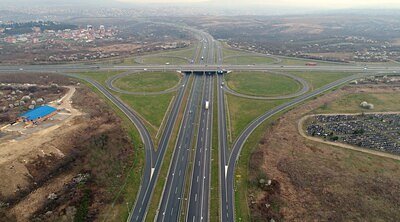
Since its arrival in the Serbian market in 2012, POWERCHINA has become a dominant force in reshaping the country's landscape. The company points to a portfolio of high-impact projects as evidence of its positive contributions. The recently completed Belgrade Bypass Section B, for which POWERCHINA was the primary contractor, aims to alleviate the capital's notorious traffic congestion. During its construction, the company also upgraded local drainage and water supply systems, an initiative it says improved residents' quality of life.
This work is part of a broader push to modernize Serbian infrastructure. The firm is also a key partner in the long-awaited Belgrade Metro, a critical project for the city of 1.7 million people that has been in development since 2019. Further afield, the Gornji Milanovac Bypass, opened in late 2024, now diverts commercial traffic, for which the company received the Takovo Uprising Gold Medal from the local municipality in recognition of its benefits to the community.
Beyond transportation, the company's footprint extends into Serbia's cultural fabric. Construction began in May 2024 on a new, state-of-the-art Serbian National Stadium, and the firm promotes cultural exchange through initiatives like the "China–Serbia Youth Friendship Dialogue."
"Our commitment to Serbia's dynamic growth underscores the tangible impact that strong ESG practices can deliver," said Mr. Yang Bo, the Chief Representative of POWERCHINA to Serbia, in a recent statement. "We will continue investing in initiatives that drive that sustainable development together with our partners, which will in turn empower communities and move the world towards a friendlier future."
The company claims its Serbian operations have created over 1,500 jobs, with its Eurasia division—spanning 63 countries—staffed by approximately 85% local and third-country professionals. On the environmental front, it highlights the use of over 900,000 tons of low-carbon concrete across the region in 2024, part of its global strategy to align with China's goals of peaking carbon emissions by 2030 and achieving neutrality by 2060.
Scrutinizing the ESG Scorecard
Behind the press releases and project inaugurations lies a more nuanced picture of POWERCHINA's ESG performance. The company has indeed formalized its sustainability efforts, establishing a board-level ESG governance framework and issuing annual reports benchmarked against Global Reporting Initiative (GRI) Standards. It utilizes a sophisticated data management system to track over 2,300 metrics, signaling a serious institutional commitment.
This formal approach has earned it some favorable marks from independent assessors. In early 2025, Sustainable Fitch assigned PowerChina International Group a '2' rating, indicating a "good overall ESG profile" and noting strong human rights policies. Similarly, SynTao Green Finance gave the company an "A-" ESG rating in late 2024.
However, other analyses paint a more critical picture. The World Benchmarking Alliance's 2022 Nature Benchmark ranked the parent corporation poorly among its peers, scoring it just 3.1 out of 100. The report criticized a lack of holistic assessment of its projects' impacts on nature and found no disclosed commitments to respecting local communities' right to a safe environment or the rights of Indigenous Peoples. Furthermore, Morningstar Sustainalytics noted a "high" level of controversy for the company as of late 2025.
These divergent ratings highlight the central challenge in evaluating mega-projects: while corporate policies may be robust on paper, their on-the-ground implementation and impact can be difficult to verify. The positive Fitch rating noted a "lack of discernible positive trends in its GHG emissions," which the company attributed partly to pandemic-related disruptions, suggesting that stated goals have yet to fully translate into measurable environmental progress.
The Balkan Hub of the Belt and Road
POWERCHINA's deep involvement in Serbia cannot be separated from its role as a flagship enterprise in China's ambitious Belt and Road Initiative. With its Eurasia Regional Headquarters located in Belgrade, Serbia serves as a strategic linchpin for Chinese economic and diplomatic activity across the continent. The infrastructure projects, while providing clear benefits to Serbia, also serve to strengthen China's geopolitical influence in the Balkans, a region of strategic importance.
This model of infrastructure diplomacy is a hallmark of the BRI, but it often brings concerns about long-term debt sustainability, transparency, and labor standards for recipient nations. While specific independent reports on the financial terms or local impacts of POWERCHINA's Serbian projects are not readily public, the broader patterns of BRI engagement worldwide suggest these are critical considerations for any host country.
POWERCHINA's efforts at social and cultural integration, such as the youth dialogue and its celebration of local awards, can be seen as a form of soft power designed to build goodwill and embed the company within the national narrative. These initiatives help create a local stakeholder base that views the company's presence favorably, counterbalancing potential criticisms about the geopolitical implications of its work.
A Global Strategy with Local Implications
POWERCHINA's sustainability push is not confined to Serbia. The company is actively expanding its global renewable energy portfolio, as evidenced by a recent agreement to build a 44-MW solar power station in Cádiz, Spain, which is expected to generate 95,000 MWh of clean electricity annually. The company also maintains a strict internal policy prohibiting new EPC contracts for coal-fired power plants, aligning its business development with global energy transition goals.
This global strategy provides context for its actions in Serbia, suggesting the ESG focus is a core part of its long-term identity rather than a localized public relations campaign. The development of bypasses, metro lines, and stadiums delivers undeniable, visible progress for a nation eager to modernize.
Yet, the full story of this transformation remains partially untold. While the company provides figures on job creation and material usage, independent verification of these claims and comprehensive assessments of the projects' long-term environmental and social consequences are scarce. The gap between corporate reporting and independently verified, on-the-ground reality leaves open questions about the true cost and benefit of this rapid development, even as the concrete continues to be poured.