
- 93,000-square-foot administration building in Historic Fifth Ward
- 150-acre East River development with 360 apartment units and 350,000+ sq. ft. of office/retail space
- $1.9 billion Project 11 to widen/deepen Houston Ship Channel
Experts view Port Houston’s strategic relocation and expansion as a pivotal move to strengthen regional competitiveness, balance urban revitalization with community needs, and future-proof maritime infrastructure for long-term economic growth.
Port Houston Anchors Future in Historic Fifth Ward
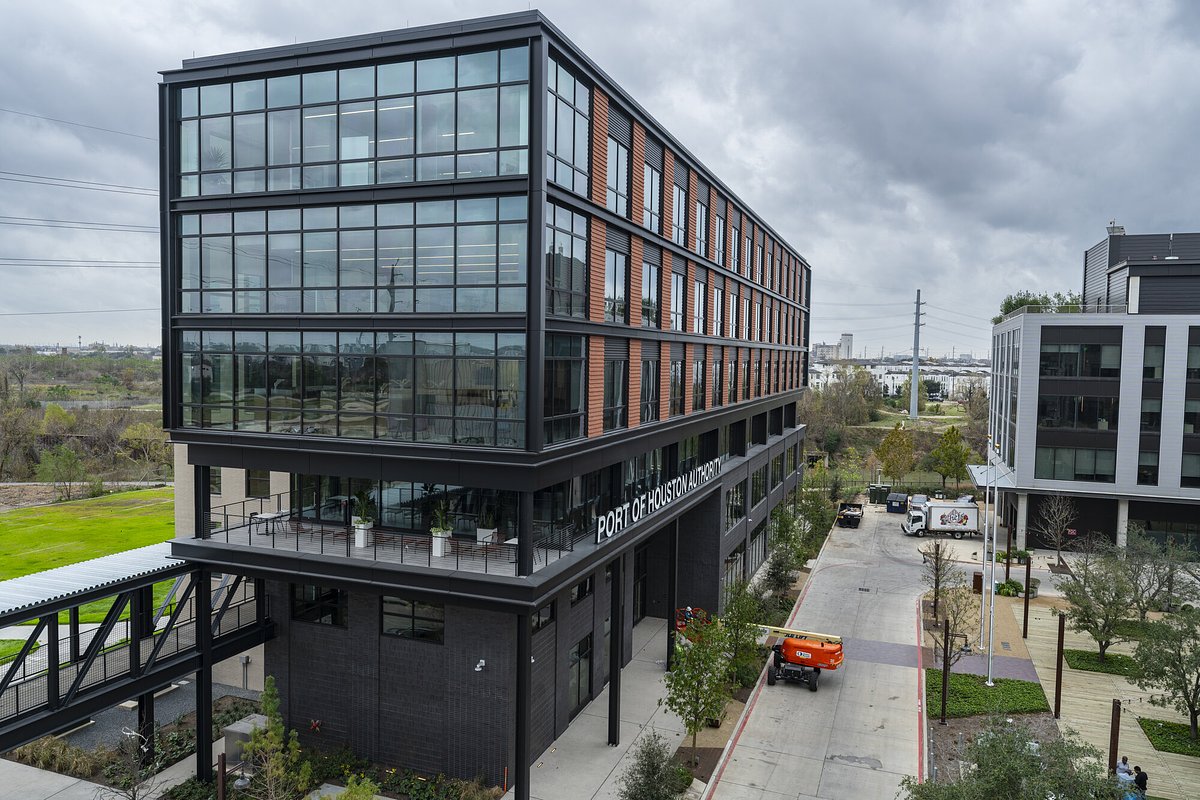
HOUSTON, TX – January 14, 2026 – In a move that blends maritime legacy with modern urban renewal, Port Houston is preparing to drop anchor in the city’s Historic Fifth Ward. The unveiling of its new 93,000-square-foot administration building, set to welcome employees in January 2026, marks a significant return to the organization's roots while positioning it for future growth and deeper community integration.
Located at Jensen and Clinton Drives along Buffalo Bayou, the new headquarters is a cornerstone of the ambitious East River development, signaling a strategic commitment to the waterway that has defined Houston’s economic identity for over a century.
A Strategic Homecoming to East River
The relocation is more than just a change of address; it's a symbolic homecoming. The new site is a short distance from Allen’s Landing, the historic spot where Houston’s founders first envisioned a bustling commercial hub on the bayou. This move physically reconnects Port Houston with its origins, a theme reinforced by its proximity to the new Houston Maritime Center and Museum, also located within the East River project.
This new building is a key tenant in Midway's massive 150-acre East River development, a multi-phase project designed to transform a stretch of formerly industrial waterfront into a vibrant, walkable district. Phase one alone introduces 360 apartment units, over 350,000 square feet of office and retail space, and numerous public amenities. Residents and visitors can already enjoy the East River 9 golf course, restaurants, and extensive hike-and-bike trails that connect to the city's broader network, all centered around revitalized green spaces. Port Houston joins a growing list of tenants, from architectural firms to tug service providers, all drawn to the vision of a dynamic, mixed-use urban village.
“Selecting the new building’s location was an important decision and the Fifth Ward is the right place for Port Houston to deepen our connection to the community we serve,” said Ric Campo, Chairman of the Port Commission, in a statement. “We are looking well beyond today’s needs and preparing for the long‑term growth of our region, investing in the people and infrastructure that will keep Houston competitive for generations to come.”
Navigating Community and Revitalization
The arrival of a major institution like Port Houston in the Historic Fifth Ward is a pivotal moment for a community rich in history but marked by decades of disinvestment. The East River development promises an economic infusion, bringing new jobs, public parks, and retail options to an area that has long sought such investment.
However, the large-scale project also brings complex challenges, most notably the concern of gentrification. Community advocates and longtime residents worry that the influx of high-end development will escalate property values and rents, potentially displacing the very people who form the neighborhood's cultural bedrock. Groups like the "Circle Coalition" have actively engaged with the developer and city officials, pushing for a robust Community Benefits Agreement that includes genuinely affordable housing and protections for existing residents. The dialogue highlights the delicate balance between revitalization and the preservation of community character.
For its part, Port Houston views the move as an opportunity for positive engagement. “We look forward to welcoming industry leaders, community organizations, and visitors into a space that reflects our shared goals for Houston’s future,” stated Charlie Jenkins, Chief Executive Officer of Port Houston. The organization aims for its new home to be a hub not just for maritime business, but for collaborative community partnership.
Fueling the Economic Engine
While the new headquarters provides a modern base for administration, its development unlocks a critical operational advantage. The move will vacate the former Executive Office site at the Turning Basin Terminal, freeing up prime real estate for expanded cargo operations. This repurposing is a key component of Port Houston’s strategy to enhance capacity and meet surging demand.
The timing is crucial. The port has been experiencing unprecedented growth, handling a record-breaking 53.07 million tons of cargo in 2024 and continuing that momentum with record container volumes through the first half of 2025. This surge, driven by increases in both exports like resins and imports of consumer goods, puts immense pressure on existing infrastructure.
The expansion at the Turning Basin complements a suite of massive, forward-looking investments. The centerpiece is Project 11, the $1.9 billion project to widen and deepen the Houston Ship Channel, which will allow larger, more efficient vessels to navigate the waterway and improve two-way traffic. Concurrently, major construction projects are underway to add new berths at both the Bayport and Barbours Cut container terminals, scheduled for completion between 2026 and 2027. To service this expanded capacity, the port is investing in new ship-to-shore cranes and a growing fleet of hybrid-electric gantry cranes, all aimed at boosting efficiency and sustainability.
A Design Reflecting Identity and Collaboration
The new administration building itself is a testament to Port Houston's identity. Designed by Page architects, the building's exterior façade draws direct inspiration from the modular, interlocking forms of shipping containers - a nod to the core business of global trade that defines the port.
Inside, the design by Inventure prioritizes connection and collaboration. Open sightlines and an abundance of natural light are intended to break down departmental silos and foster a more integrated work environment. The interior aesthetic is unified with carefully selected colors and finishes, while the port's rich history is woven into the space through historic photographs and curated artifacts. A striking glass Port of Houston Authority seal will anchor the first-floor lobby, creating an inviting entrance that tells the story of the port’s legacy and achievements.
This new chapter in the Fifth Ward is a multifaceted strategic play. By embracing its history, engaging with its community, and aggressively expanding its operational capacity, Port Houston is not just building a new office; it is constructing a foundation to keep Houston competitive for generations to come.